



Introduction
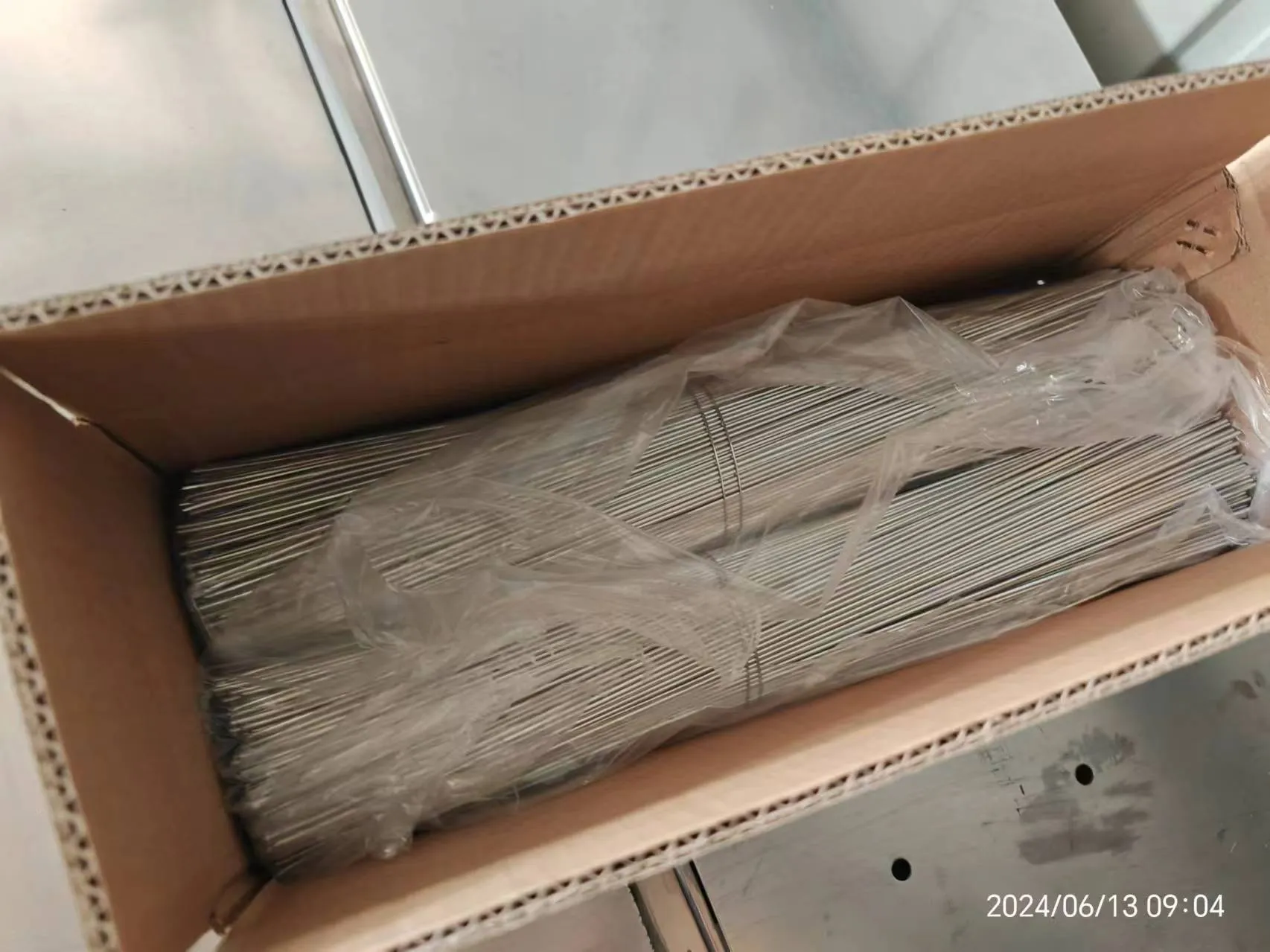
Annealed wire is a ferrous metal product created through a controlled heating and cooling process, fundamentally altering its ductility and malleability. Its position within the industry chain lies primarily as a semi-finished good, transitioning from raw steel stock to components used in a diverse range of applications including, but not limited to, electrical wiring, fencing, manufacturing springs, and crafting wire mesh. The core performance characteristics of annealed wire revolve around its significantly increased formability compared to work-hardened steel, lower tensile strength allowing for easier bending and shaping, and improved electrical conductivity in certain formulations. A critical pain point within industries relying on wire forming is consistently achieving the desired ductility without compromising structural integrity; annealing offers a precise solution to this challenge. The control of the annealing process is paramount, as inconsistencies directly translate to downstream manufacturing defects and quality control failures. Understanding the material’s response to annealing – its recrystallization temperature, cooling rates, and atmospheric controls – is crucial for optimized performance in final products.
Material Science & Manufacturing
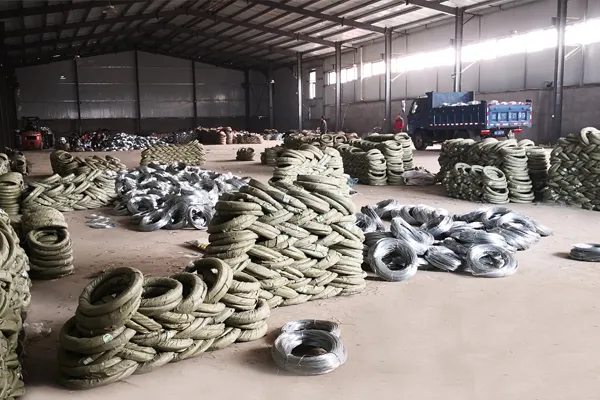
The raw material for annealed wire is typically low-carbon steel, ranging from 0.03% to 0.25% carbon content. The presence of manganese (0.25-0.85%) and silicon (0.05-0.30%) are common, contributing to improved strength and deoxidation during steelmaking. The manufacturing process begins with cold drawing the steel wire to the desired diameter. This cold working increases the steel’s hardness and tensile strength but simultaneously reduces its ductility – a state known as work hardening. Annealing reverses this effect. The most common annealing method is furnace annealing, where coils of wire are heated to a temperature typically between 500°C and 650°C (932°F and 1202°F), held at that temperature for a specified duration (dependent on wire diameter and steel composition, typically 2-8 hours), and then slowly cooled. Crucially, the cooling rate dictates the final microstructure and resulting mechanical properties. Faster cooling produces a harder, less ductile wire, while slower cooling yields a softer, more malleable product. Protective atmospheres, such as nitrogen or hydrogen, are often employed during annealing to prevent oxidation and scaling of the wire surface. Precise temperature control (+/- 5°C) is critical, achieved through thermocouples and feedback loops within the furnace control system. Variations in heating and cooling profiles can lead to non-uniform annealing, resulting in localized variations in mechanical properties and potential for premature failure in downstream applications. The chemical composition of the steel is verified via spectroscopic analysis to ensure adherence to required standards.
Performance & Engineering
The performance of annealed wire is fundamentally governed by its tensile strength, yield strength, elongation, and electrical conductivity. Annealing reduces tensile strength, typically to values between 300-500 MPa (43,500-72,500 psi), depending on the specific steel grade and annealing parameters. This reduction in strength is directly correlated with an increase in ductility, evidenced by a significant increase in elongation (typically exceeding 20%). Force analysis during wire forming operations (bending, twisting, coiling) demonstrates that the lower yield strength of annealed wire minimizes the force required, reducing tooling wear and energy consumption. Environmental resistance is primarily dictated by the steel's alloy composition; carbon steel is susceptible to corrosion, particularly in humid or saline environments. Galvanization (zinc coating) is a common method to enhance corrosion resistance, adding a sacrificial layer that protects the underlying steel. Compliance requirements vary by application. For electrical applications, annealed copper wire must adhere to standards concerning conductivity and insulation integrity. For applications involving structural support, adherence to relevant building codes and material specifications (e.g., tensile load capacity) is crucial. The choice of annealing parameters must consider the intended application and the required balance between strength, ductility, and environmental resistance. Fatigue resistance, while typically not a primary design consideration for annealed wire, can be improved through careful control of surface finish and elimination of stress concentrators.
Technical Specifications
| Parameter | Typical Value (Low Carbon Steel) | Units | Testing Standard |
|---|---|---|---|
| Tensile Strength | 350-450 | MPa | ASTM A884 |
| Yield Strength | 200-300 | MPa | ASTM A884 |
| Elongation | 25-35 | % | ASTM A884 |
| Electrical Conductivity | >25 | % IACS | IEC 60044-1 |
| Diameter Tolerance | ±0.025 | mm | ISO 286-1 |
| Annealing Temperature Range | 550-650 | °C | AMS 2759 |
Failure Mode & Maintenance
Common failure modes for annealed wire include yield failure during excessive bending, tensile rupture under overload, and corrosion-induced degradation. Fatigue cracking can occur in applications involving repeated stress cycles, particularly at points of stress concentration (e.g., sharp bends, notches). Hydrogen embrittlement, a phenomenon where hydrogen atoms diffuse into the steel lattice, can reduce ductility and promote crack propagation, especially in environments containing hydrogen sulfide. Oxidation, leading to surface corrosion, reduces the effective cross-sectional area and weakens the wire. Delamination, while less common in annealed wire, can occur if the annealing process is not adequately controlled, resulting in uneven microstructures. Maintenance primarily focuses on corrosion prevention. Regular inspection for signs of rust or corrosion is crucial. Protective coatings, such as galvanization or epoxy resins, should be reapplied as needed. For applications involving high tensile loads, periodic wire replacement based on a predetermined service life is recommended. Avoid subjecting annealed wire to excessive bending beyond its yield point, as this can permanently deform the wire and reduce its load-carrying capacity. Proper storage in a dry environment minimizes the risk of corrosion. A preventative maintenance schedule, incorporating visual inspections and functional testing, will significantly extend the service life of annealed wire components.
Industry FAQ
Q: What is the impact of cooling rate on the final properties of annealed wire?
A: The cooling rate is a critical parameter. Slower cooling rates generally result in a softer, more ductile wire with lower tensile strength. Faster cooling rates produce a harder, less ductile wire with higher tensile strength. The optimal cooling rate depends on the desired balance of properties for the specific application.
Q: How does the carbon content of the steel affect the annealing process?
A: Lower carbon content generally makes the annealing process easier, requiring lower temperatures and shorter hold times. Higher carbon content steels require more aggressive annealing parameters and are more prone to retained austenite formation if not cooled properly.
Q: What are the benefits of using a protective atmosphere during annealing?
A: A protective atmosphere (nitrogen or hydrogen) prevents oxidation and scaling of the wire surface during heating, maintaining its integrity and preventing loss of material. This leads to improved surface finish and mechanical properties.
Q: How does annealing affect the electrical conductivity of steel wire?
A: Annealing, by removing internal stresses and promoting a more ordered crystalline structure, generally improves the electrical conductivity of steel wire. This is particularly important for applications requiring efficient current transmission.
Q: What type of corrosion protection is most effective for annealed steel wire in marine environments?
A: Hot-dip galvanization provides the most effective corrosion protection for annealed steel wire in marine environments, offering a robust sacrificial barrier against saltwater corrosion. Epoxy coatings can provide additional protection, but require careful surface preparation and application.
Conclusion
Annealed wire represents a foundational material within numerous industrial sectors, offering a precisely tailored balance of strength and ductility achieved through controlled thermal processing. Its manufacturing process, contingent on meticulous control of temperature, atmosphere, and cooling rates, directly dictates its ultimate performance characteristics. Proper selection of steel alloy, coupled with adherence to established industry standards, is paramount to ensuring the long-term reliability and functionality of annealed wire components.
Moving forward, advancements in annealing technologies, such as vacuum annealing and induction annealing, are poised to further refine the control over microstructural evolution, enabling the creation of annealed wire with even more customized properties. Continued research into corrosion-resistant coatings and innovative material compositions will also be crucial for extending the service life of annealed wire in increasingly demanding environments.