



Introduction
Barbed wire, a critical component in perimeter security and agricultural fencing, represents a significant expenditure for infrastructure projects. Determining the price per meter necessitates a comprehensive understanding of material composition, manufacturing processes, and prevailing market conditions. This guide provides an in-depth technical analysis of barbed wire, focusing on the factors influencing cost, performance characteristics, potential failure modes, and relevant industry standards. The economic viability of barbed wire as a security or containment solution is directly tied to its longevity and effectiveness, dictated by its intrinsic material properties and manufacturing quality. Understanding these elements enables informed procurement decisions and optimized life-cycle cost management.
Material Science & Manufacturing
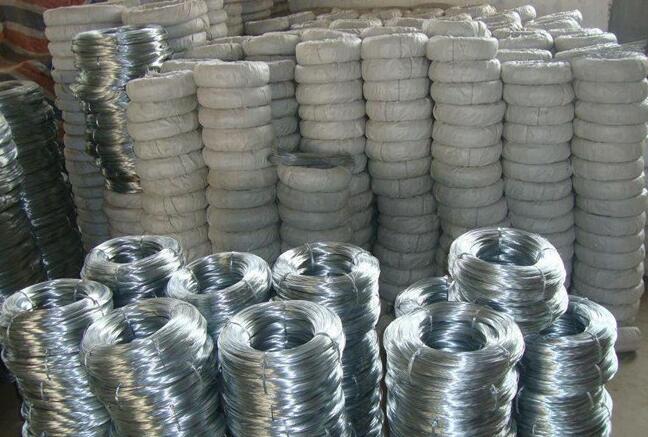
The primary raw material for barbed wire is typically carbon steel, specifically low-carbon steel wire for the core and higher carbon steel for the barbs. The steel’s tensile strength is paramount, generally ranging from 490-550 MPa for core wire and 690-830 MPa for barb wire. Galvanization, either hot-dip or electro-galvanization, is crucial for corrosion protection. Hot-dip galvanization provides a thicker zinc coating (typically 60-80 μm), enhancing long-term durability, while electro-galvanization results in a thinner, more uniform coating (15-30 μm) often preferred for aesthetic applications. The zinc coating’s adherence and thickness directly influence the wire’s resistance to rust. Manufacturing involves wire drawing, barb forming, and twisting. Wire drawing reduces the diameter of the steel rod to the desired gauge, requiring precise control of drawing speed and lubrication to prevent fracture. Barb formation utilizes a cutting and bending process, typically employing rotating dies to create consistently shaped barbs. Twisting the core wire with the barb wire necessitates accurate tension control to ensure uniform barb spacing and structural integrity. Improper tension leads to uneven barb distribution and weakened wire. PVC coating, applied after galvanization, adds an additional layer of protection, but its adhesion and UV stability are critical considerations. The quality of the polymer and the coating process impact its long-term performance.
Performance & Engineering
The performance of barbed wire is dictated by its tensile strength, elongation, and resistance to shear forces. Tensile strength, measured in MPa, determines the wire’s ability to withstand pulling forces without breaking. Elongation, expressed as a percentage, indicates the wire’s ductility and its ability to deform before fracture. Shear resistance is critical at the point of attachment to posts, preventing the wire from breaking under stress. Force analysis reveals that the barbs concentrate stress, making them potential failure points. Environmental resistance is a major concern; exposure to saline environments accelerates corrosion, requiring thicker galvanization or alternative coatings. Compliance requirements vary by region, with standards dictating wire gauge, barb spacing, and coating thickness. For example, agricultural fencing often requires different specifications than high-security perimeter fencing. The spacing between barbs (typically 100-150mm) affects the deterrent effect and the wire’s resistance to climbing. The wire diameter, typically ranging from 1.8mm to 2.8mm, impacts tensile strength and cost. Proper installation, including adequate post spacing and secure attachment, is crucial for optimal performance. Incorrect tensioning can lead to sagging, reduced effectiveness, and premature failure.
Technical Specifications
| Parameter | Specification – Light Duty (Agricultural) | Specification – Medium Duty (General Security) | Specification – Heavy Duty (High Security) |
|---|---|---|---|
| Wire Gauge (mm) | 1.8 – 2.0 | 2.0 – 2.5 | 2.5 – 2.8 |
| Tensile Strength (MPa) | 490 – 550 | 550 – 690 | 690 – 830 |
| Zinc Coating Thickness (μm) | 15 – 25 (Electro-Galvanized) | 40 – 60 (Hot-Dip Galvanized) | 60 – 80 (Hot-Dip Galvanized) |
| Barb Spacing (mm) | 150 – 200 | 100 – 150 | 75 – 100 |
| Barb Diameter (mm) | 2.0 – 2.5 | 2.5 – 3.0 | 3.0 – 3.5 |
| Elongation (%) | 12 – 15 | 10 – 12 | 8 – 10 |
Failure Mode & Maintenance
Common failure modes include corrosion, fatigue cracking at the barb-wire junction, and breakage due to excessive tension or impact. Corrosion, particularly in saline or acidic environments, leads to gradual weakening of the wire. Fatigue cracking occurs due to repeated stress cycles, initiated at the sharp edges of the barbs. Breakage can result from overloading, physical damage (e.g., vehicle impact), or pre-existing defects in the wire. Oxidation of the zinc coating also contributes to degradation over time. Maintenance involves regular inspection for corrosion, broken wires, and loose connections. Applying a protective coating (e.g., zinc-rich paint) to damaged areas can slow down corrosion. Replacing damaged sections promptly prevents further deterioration and maintains the integrity of the fence. Periodic tension adjustments are necessary to prevent sagging and ensure uniform load distribution. Proper grounding can mitigate the risk of electrolytic corrosion in areas with stray electrical currents. Preventing vegetation contact with the wire minimizes corrosion and maintains visibility. The lifespan of barbed wire is significantly extended through proactive maintenance and timely repair.
Industry FAQ
Q: What is the impact of different galvanization methods on the long-term cost of barbed wire?
A: Hot-dip galvanization, while initially more expensive, provides a significantly thicker zinc coating, resulting in superior corrosion resistance and a longer service life. This translates to lower long-term costs due to reduced replacement frequency. Electro-galvanization offers a lower upfront cost but requires more frequent maintenance and replacement, increasing the total cost of ownership.
Q: How does wire gauge affect the security level provided by barbed wire?
A: Thicker wire gauges (e.g., 2.5mm – 2.8mm) offer higher tensile strength and are more difficult to cut or break, providing a higher level of security. Thinner gauges (e.g., 1.8mm – 2.0mm) are suitable for agricultural applications where security is less critical.
Q: What is the significance of barb spacing in determining the effectiveness of barbed wire as a deterrent?
A: Closer barb spacing (e.g., 75-100mm) makes it more difficult for individuals to climb the fence and increases the risk of injury, enhancing its deterrent effect. Wider spacing (e.g., 150-200mm) offers less resistance and is more easily bypassed.
Q: What are the considerations when selecting barbed wire for coastal environments?
A: Coastal environments are highly corrosive due to salt spray. In these situations, heavy-duty hot-dip galvanized wire with a thick zinc coating is essential. Consider supplementary protective coatings, such as PVC or epoxy, to further enhance corrosion resistance. Regular inspection and maintenance are also crucial.
Q: How does the tensile strength of the core wire contribute to the overall performance of barbed wire?
A: The core wire provides the primary structural support for the barbed wire. Higher tensile strength core wire resists stretching and breaking under tension, ensuring the fence maintains its integrity and effectiveness over time. A weak core wire compromises the entire system.
Conclusion
The price of barbed wire per meter is a complex equation influenced by raw material costs, manufacturing quality, coating type, and the required performance characteristics. Selecting the appropriate barbed wire necessitates a thorough understanding of these factors, coupled with a clear assessment of the intended application and environmental conditions. Prioritizing long-term durability and minimizing maintenance requirements ultimately yields the most cost-effective solution.
Investing in high-quality barbed wire, coupled with proper installation and regular maintenance, is paramount for ensuring effective security and containment over its service life. A comprehensive evaluation of technical specifications, failure modes, and adherence to industry standards is crucial for making informed procurement decisions and maximizing the return on investment.