



Introduction
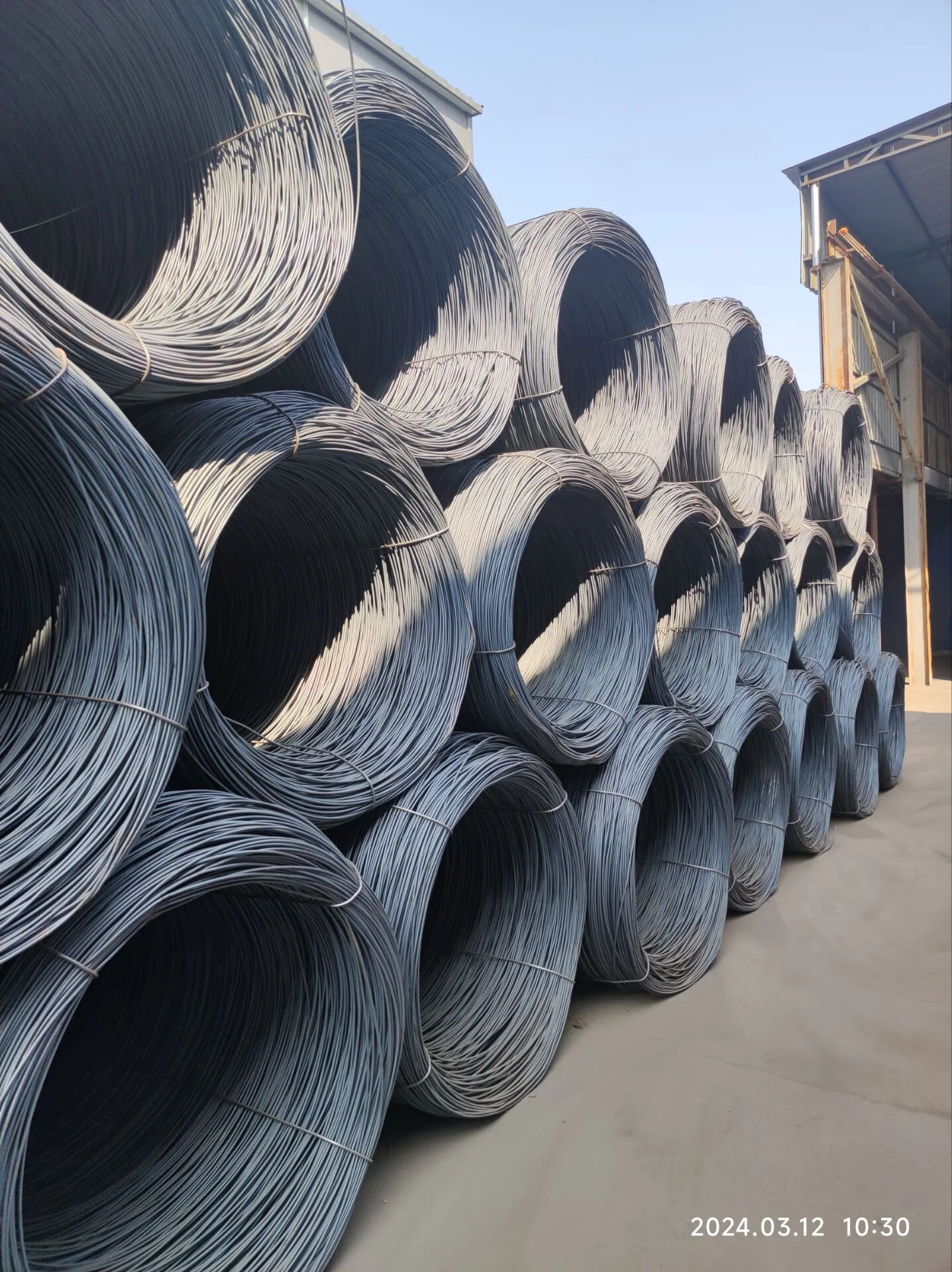
Black annealed baling wire is a low-carbon steel wire specifically processed for use in baling applications. It occupies a critical position within the waste management, recycling, agricultural, and textile industries as a cost-effective material for securing compressed materials. Primarily composed of SAE 1008/1010 steel, its defining characteristic is the annealing process, which imparts high ductility and malleability. This allows the wire to conform readily to the shape of the bale and maintain secure compaction under stress. Core performance metrics include tensile strength, elongation, and consistent diameter, all directly impacting the baling process’s efficiency and the integrity of the final bale. Unlike higher carbon steel wires, black annealed wire lacks significant corrosion resistance, representing a key consideration in outdoor storage and humid environments. It serves as a fundamental, albeit often overlooked, component in numerous industrial supply chains, directly influencing material handling costs and logistical efficiency.
Material Science & Manufacturing
The primary raw material for black annealed baling wire is low-carbon steel, typically SAE 1008 or 1010. These steels possess a relatively low carbon content (0.08-0.10% and 0.08-0.12% respectively), promoting ductility and weldability. The manufacturing process begins with cold drawing of steel rod to achieve the desired wire diameter, often ranging from 0.062 inches to 0.180 inches (1.57mm - 4.57mm). This cold drawing process work hardens the steel, increasing its tensile strength but reducing ductility. The crucial step is annealing – a heat treatment process where the wire is heated to a specific temperature (typically 1100-1300°F / 593-704°C) and then slowly cooled. This controlled cooling process relieves internal stresses induced by cold working and recrystallizes the steel grain structure, dramatically increasing ductility. Annealing is typically performed in a continuous furnace with a controlled atmosphere to prevent oxidation. Following annealing, the wire is often coated with a light oil to inhibit rust formation during handling and storage. Parameter control during annealing is paramount; insufficient temperature or cooling rate results in incomplete stress relief and reduced ductility. Excessive temperature can lead to grain growth and decreased strength. The chemical composition of the steel is rigorously monitored to ensure adherence to SAE standards and consistency in performance.
Performance & Engineering
The performance of black annealed baling wire is dictated by its ability to withstand the forces exerted during baling and maintain bale integrity during handling and transport. Force analysis centers on the tensile strength and elongation properties of the wire. Tensile strength, typically ranging from 80,000 to 100,000 PSI, determines the maximum load the wire can bear before breaking. Elongation, typically 10-20%, indicates the wire’s ability to stretch and deform without fracturing, crucial for accommodating bale settlement and preventing wire breakage. Environmental resistance is a significant engineering concern. Black annealed wire is susceptible to corrosion, particularly in humid or outdoor environments. This corrosion weakens the wire, reducing its tensile strength and increasing the risk of failure. The wire’s performance is also affected by the baling machine's design and operating parameters. Improper tensioning or sharp bale corners can induce stress concentrations, leading to premature failure. Compliance requirements often dictate wire gauge and bale weight limits to ensure safe handling and transportation. Furthermore, wire breakage can contaminate recycled materials, impacting the downstream processing and the quality of the final product. Therefore, selecting the appropriate wire gauge and ensuring proper baling practices are critical for optimizing performance and minimizing risks.
Technical Specifications
| Diameter (inches) | Tensile Strength (PSI) | Elongation (%) | Typical Packaging |
|---|---|---|---|
| 0.062 | 85,000 - 95,000 | 12-18 | 50 lbs Coil |
| 0.072 | 90,000 - 100,000 | 14-20 | 50 lbs Coil |
| 0.080 | 95,000 - 105,000 | 15-21 | 50 lbs Coil, 100 lbs Coil |
| 0.092 | 90,000 - 100,000 | 16-22 | 100 lbs Coil |
| 0.100 | 80,000 - 90,000 | 10-16 | 100 lbs Coil |
| 0.120 | 75,000 - 85,000 | 8-14 | 100 lbs Coil, 250 lbs Coil |
Failure Mode & Maintenance
Black annealed baling wire is susceptible to several failure modes in practical applications. The most common is tensile overload, where the wire exceeds its tensile strength due to excessive bale weight or improper baling technique, resulting in fracture. Fatigue cracking can occur from repeated bending and flexing during the baling process, particularly around bale corners or areas of high stress concentration. Corrosion, as previously mentioned, significantly weakens the wire, accelerating fatigue cracking and reducing its overall strength. Delamination of the zinc coating (if present, although less common with purely annealed wire) can expose the underlying steel to corrosion, initiating localized failures. Oxidation, especially in humid environments, contributes to a gradual reduction in wire diameter and strength. Maintenance primarily revolves around proper storage. Wire should be stored in a dry, sheltered environment to minimize corrosion. Regular inspection of wire coils for rust or damage is recommended before use. Avoid using wire that exhibits signs of significant corrosion or deformation. When baling, ensure that the wire is properly tensioned and that bale corners are rounded to minimize stress concentrations. Furthermore, avoiding abrasive contact between the wire and the bale material reduces the risk of surface damage and premature failure. Preventative maintenance on baling equipment, including proper lubrication and alignment, also contributes to extending the lifespan of the wire.
Industry FAQ
Q: What is the impact of humidity on the performance of black annealed baling wire?
A: High humidity significantly accelerates corrosion of black annealed baling wire, reducing its tensile strength and increasing the risk of fatigue failure. This can lead to bale breakage during handling and transportation, and potential contamination of recycled materials. Proper storage in a dry environment is crucial.
Q: How does wire diameter affect bale integrity?
A: Larger diameter wire generally provides greater tensile strength and resistance to breakage, resulting in more secure bales. However, thicker wire is also more difficult to bend and manipulate, potentially requiring more force from the baling machine. Selecting the appropriate diameter is a balance between strength and workability.
Q: What are the key differences between black annealed wire and galvanized wire for baling?
A: Galvanized wire has a zinc coating that provides superior corrosion resistance compared to black annealed wire. While more expensive, galvanized wire is preferred for outdoor storage or humid environments where corrosion is a major concern. Black annealed wire is more cost-effective for indoor applications with controlled environments.
Q: Can improper baling machine settings contribute to wire failure?
A: Absolutely. Insufficient wire tension, sharp bale corners, and misaligned bale chambers can all induce stress concentrations, leading to premature wire breakage. Regular machine maintenance and adherence to manufacturer's recommended settings are critical.
Q: What is the typical service life of black annealed baling wire in a recycling facility?
A: The service life varies greatly depending on the type of material being baled, the baling machine’s condition, the environmental conditions, and the frequency of use. However, a typical service life ranges from 50 to 200 bales per coil, but this is highly variable and requires consistent monitoring and replacement as needed.
Conclusion
Black annealed baling wire, despite its seemingly simple construction, is a critical component in numerous industrial processes. Its performance is intricately linked to its material science – the low carbon steel composition and controlled annealing process determine its ductility and tensile strength. Understanding the potential failure modes, primarily corrosion and fatigue, and implementing appropriate storage and handling practices are essential for maximizing its service life and ensuring bale integrity.
The selection of black annealed wire must be driven by a thorough assessment of the application’s requirements, balancing cost-effectiveness with the need for reliable performance. Ongoing advancements in steel manufacturing and coating technologies may lead to improved corrosion resistance in future iterations of this ubiquitous material. Continued monitoring of industry standards and best practices remains crucial for optimizing the use of black annealed baling wire and maintaining the efficiency of baling operations.