



Introduction
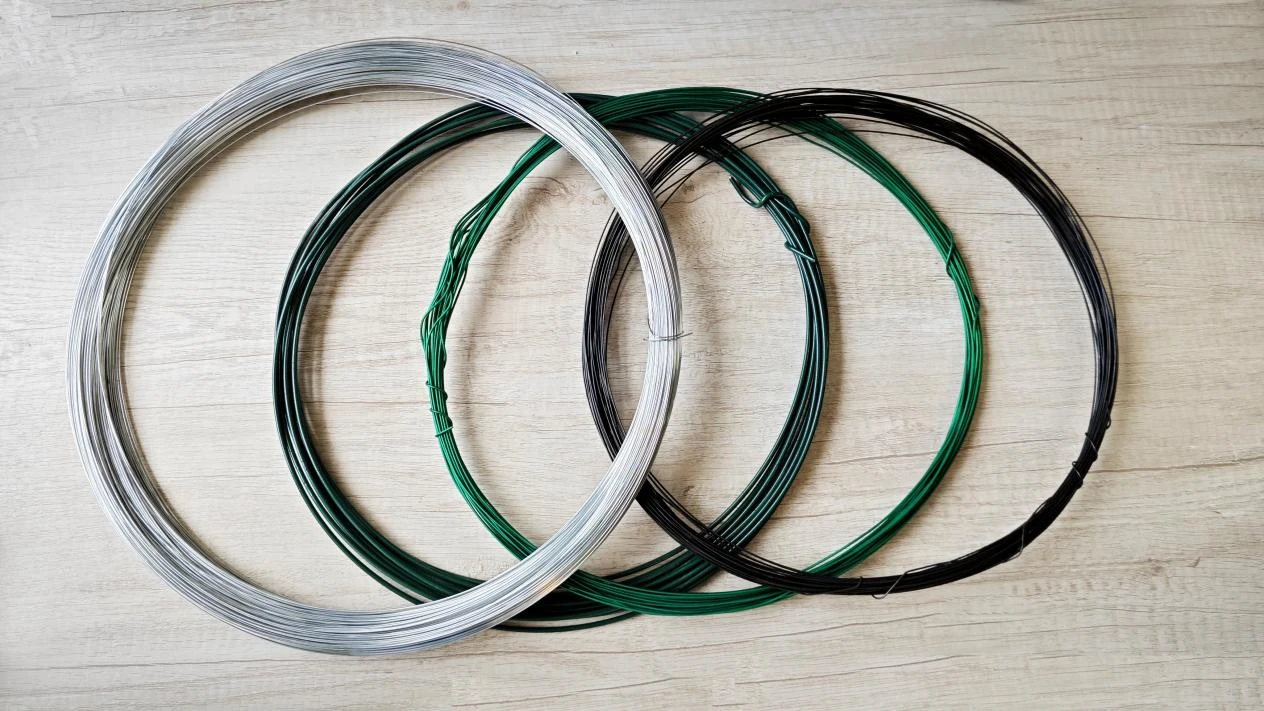
Black annealed binding wire is a low-carbon steel wire subjected to an annealing process to increase its ductility and reduce its tensile strength. It serves as a critical fastening and binding material across diverse industries, including horticulture, construction, packaging, and crafts. Its primary function is to securely bundle, tie, or hold materials together without causing damage. Unlike galvanized or stainless steel wires, the absence of a protective coating is intentional, making it ideal for applications where the coating could be undesirable or interfere with subsequent processes. The core performance characteristics – pliability, tensile strength (post-annealing), and consistent diameter – dictate its suitability for specific tasks. A key industry pain point revolves around maintaining consistent wire diameter and minimizing surface irregularities which can lead to breakage during automated tying processes and compromise bundle integrity. The rising demand for automation in packaging and construction necessitates tighter tolerances and improved surface finish in black annealed binding wire production.
Material Science & Manufacturing
The raw material for black annealed binding wire is typically low-carbon steel, specifically SAE 1008 or similar grades containing approximately 0.08% carbon. The carbon content is crucial; higher carbon content would result in increased hardness and decreased ductility, while lower content would diminish the necessary tensile strength. Manufacturing begins with hot rolling the steel into wire rod. This rod then undergoes several drawing stages, reducing its diameter progressively. Each drawing pass work-hardens the wire, increasing its tensile strength but reducing its ductility. Following the final drawing, the wire is cleaned to remove drawing lubricants and surface contaminants. The critical step is the annealing process. This involves heating the wire to a temperature between 550-650°C (1022-1202°F) in a controlled atmosphere – typically a reducing atmosphere of hydrogen or nitrogen – to prevent oxidation. This elevated temperature allows for grain recrystallization, relieving internal stresses and restoring ductility. The cooling rate is carefully controlled to achieve the desired mechanical properties. Slow cooling generally results in softer wire, while faster cooling can increase strength but reduce ductility. Post-annealing, the wire may undergo a leveling process to ensure straightness and dimensional consistency. Key parameter control includes maintaining precise temperature uniformity during annealing, consistent wire diameter through drawing, and effective removal of surface contaminants. Chemical composition analysis of the steel, monitoring of annealing atmosphere composition, and regular dimensional checks are essential for quality control.
Performance & Engineering
The performance of black annealed binding wire is primarily governed by its tensile strength, elongation (ductility), and bending characteristics. Tensile strength, measured in MPa (Megapascals) or PSI (Pounds per Square Inch), indicates the maximum stress the wire can withstand before breaking. Elongation, expressed as a percentage, quantifies the wire's ability to stretch before fracture – a direct measure of its ductility. The bending characteristic, often evaluated through a mandrel wrap test, assesses the wire’s ability to conform to a specified radius without cracking or kinking. Force analysis is crucial in determining the appropriate wire gauge (diameter) for a given application. The force required to break the wire must exceed the anticipated load during its intended use, with a sufficient safety factor. Environmental resistance is limited due to the absence of protective coatings. Exposure to moisture promotes oxidation (rusting), reducing the wire’s strength and lifespan. Compliance requirements vary by industry. For horticultural applications, the wire should not introduce harmful substances to plants or soil. In packaging, compliance with food contact regulations may be necessary if the wire comes into contact with food products. Functional implementation depends heavily on the tying method: manual, semi-automatic, or fully automatic. Automated tying machines require consistent wire diameter and surface quality to prevent jams and ensure reliable operation.
Technical Specifications
| Diameter (mm) | Tensile Strength (MPa) | Elongation (%) | Zinc Coating (g/m²) |
|---|---|---|---|
| 0.80 | 350-450 | 12-18 | N/A |
| 1.00 | 300-400 | 15-20 | N/A |
| 1.20 | 280-380 | 18-25 | N/A |
| 1.40 | 250-350 | 20-30 | N/A |
| 1.60 | 230-330 | 22-35 | N/A |
| 2.00 | 200-300 | 25-40 | N/A |
Failure Mode & Maintenance
Black annealed binding wire is susceptible to several failure modes. The most common is tensile failure, where the wire breaks due to exceeding its tensile strength. This can occur from overloading, sharp bends, or pre-existing surface defects. Corrosion is a significant concern, particularly in humid environments, leading to localized weakening and eventual fracture. Fatigue cracking can occur under cyclic loading, even at stresses below the yield strength, eventually causing the wire to break. Delamination is not a relevant failure mode for solid wire; however, surface imperfections created during manufacturing can initiate cracks. Oxidation, the formation of rust, degrades the wire's structural integrity over time. Maintenance is limited due to the wire's inherent lack of corrosion protection. Preventative measures focus on proper storage: keeping the wire dry and protected from the elements. Regular inspection for signs of corrosion or damage is recommended, especially in critical applications. For applications requiring extended service life in corrosive environments, alternative materials like galvanized steel or stainless steel should be considered. If breakage occurs, the entire length of wire used in a binding application should be replaced to maintain structural integrity. Avoiding sharp bends during application minimizes stress concentration and reduces the risk of fatigue failure.
Industry FAQ
Q: What is the impact of annealing temperature on the wire's final properties?
A: Annealing temperature directly influences ductility and tensile strength. Higher temperatures generally result in softer, more ductile wire with lower tensile strength, while lower temperatures yield stronger wire with reduced ductility. Precise temperature control is crucial to achieve the desired balance of properties for a specific application.
Q: How does surface finish affect performance in automated tying equipment?
A: Surface irregularities – burrs, scratches, or inconsistencies – can cause jams and breakages in automated tying machines. A smooth, consistent surface finish is essential for reliable operation and minimizing downtime.
Q: Can black annealed wire be used outdoors, and if so, what are the limitations?
A: Black annealed wire can be used outdoors for short-term applications, but its lack of corrosion protection limits its lifespan in exposed environments. It will rust, leading to a reduction in strength and eventual failure. Consider galvanized or stainless steel alternatives for long-term outdoor use.
Q: What is the typical variation in diameter within a single spool of black annealed wire?
A: Typical diameter variation should be within +/- 0.02mm for high-quality wire. Significant variations can indicate manufacturing issues and lead to problems in automated processes.
Q: What are the advantages of using black annealed wire versus galvanized wire in horticultural applications?
A: Black annealed wire is preferred in some horticultural applications because the galvanizing coating on galvanized wire can be phytotoxic to certain plants. The uncoated steel of black annealed wire minimizes the risk of chemical interference.
Conclusion
Black annealed binding wire remains a cornerstone fastening solution due to its pliability, affordability, and ease of use. The manufacturing process, particularly the annealing stage, is critical in defining its mechanical properties and suitability for diverse applications. Maintaining consistent material quality and dimensional tolerances is paramount, especially as industries increasingly adopt automated tying systems.
Future developments may focus on enhancing corrosion resistance through innovative surface treatments while maintaining the core benefits of uncoated steel. Addressing the inherent limitations regarding environmental exposure will expand the applicability of black annealed binding wire and solidify its position in various sectors. Continued process optimization and stringent quality control measures will be crucial for meeting the evolving demands of a more automated and environmentally conscious industrial landscape.