



Introduction
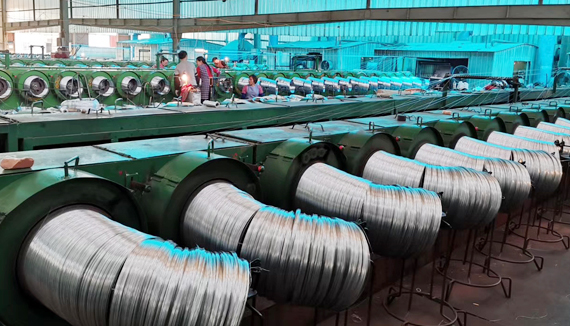
Black annealed steel wire is a low-carbon steel wire that has undergone a controlled heating and cooling process to achieve a soft, ductile state. This process, known as annealing, relieves internal stresses induced during prior processing like cold drawing, enhancing the wire’s formability and machinability. Positioned as a foundational material within the broader steel wire industry, it serves as a precursor to numerous downstream applications including, but not limited to, nail production, binding wire, cable lashing, and the manufacture of mesh and fabricated components. Its primary performance characteristics are defined by its tensile strength, elongation, and surface finish, all of which are meticulously controlled during the manufacturing process. The industry currently faces challenges concerning consistent quality across varying production batches, the need for tighter tolerance controls to meet increasingly complex application requirements, and pressure to reduce environmental impact through sustainable manufacturing practices.
Material Science & Manufacturing
The primary raw material for black annealed steel wire is low-carbon steel, typically containing 0.04% to 0.10% carbon. This low carbon content is crucial for achieving the desired ductility. Other alloying elements are generally minimized, although manganese (0.25-0.50%) is commonly added to improve strength and hardenability without compromising ductility. The manufacturing process begins with hot rolling of steel billets into wire rod. This rod is then subjected to pickling, using hydrochloric or sulfuric acid, to remove surface oxides and scale. Following pickling, the wire rod undergoes drawing through a series of progressively smaller dies, a process called cold drawing, to reduce its diameter and increase its tensile strength. This cold work introduces significant internal stresses. The critical annealing step involves heating the drawn wire to a temperature between 550-650°C, held for a specific duration determined by wire diameter and desired properties, and then slowly cooled, usually in a controlled atmosphere or cooling bed. Precise temperature control during annealing is paramount; overheating can lead to grain growth and reduced strength, while insufficient heating leaves residual stresses. The final step often involves surface treatment, typically applying a light oil coating to prevent corrosion during storage and handling. Variations in cooling rates affect the final microstructure, influencing both strength and ductility. Quenching, though less common for black annealed wire, can increase hardness but reduces ductility. Regular monitoring of chemical composition, tensile strength, and microstructure using techniques like optical microscopy are essential quality control measures.
Performance & Engineering
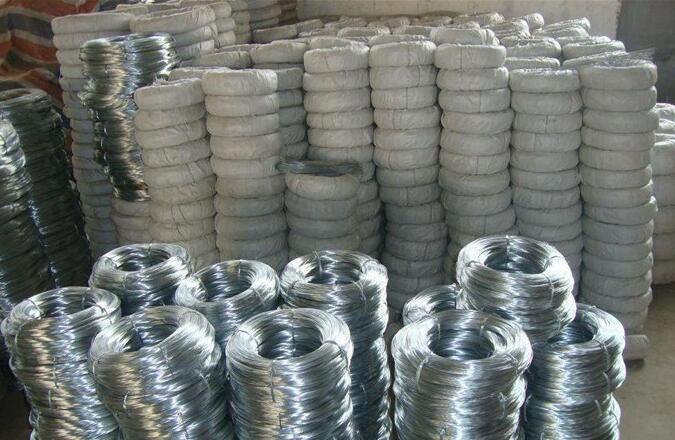
The mechanical performance of black annealed steel wire is fundamentally dictated by its tensile strength, yield strength, elongation, and reduction of area. Tensile strength, typically ranging from 350-500 MPa depending on the wire gauge and specific manufacturing process, determines the wire's ability to withstand pulling forces. Yield strength, usually around 220-350 MPa, defines the point at which permanent deformation begins. Elongation, generally exceeding 15%, indicates the wire’s ductility and ability to stretch before fracture. A crucial engineering consideration is the wire’s behavior under bending stresses. Repeated bending can induce fatigue cracking, particularly if the wire contains surface imperfections or is exposed to corrosive environments. Corrosion resistance, while not inherently high for black annealed steel, is typically addressed through the application of protective coatings, such as light oils, to mitigate oxidation. Environmental resistance is further impacted by humidity and exposure to chlorides. Applications requiring high reliability, such as in the automotive or aerospace industries, often necessitate rigorous testing to ensure consistent performance under simulated operating conditions. Compliance with industry standards, such as ASTM A641 and EN 10277-1, dictates acceptable performance criteria and testing procedures. Force analysis during application is critical to ensure the wire's load-bearing capacity is not exceeded, preventing premature failure. The wire’s surface finish also plays a role, as rough surfaces can act as stress concentrators and accelerate fatigue cracking.
Technical Specifications
| Diameter (mm) | Tensile Strength (MPa) | Elongation (%) | Yield Strength (MPa) |
|---|---|---|---|
| 0.8 | 400-450 | 20-25 | 250-300 |
| 1.2 | 380-430 | 18-23 | 230-280 |
| 1.6 | 360-410 | 16-21 | 210-260 |
| 2.0 | 340-390 | 15-20 | 190-240 |
| 2.5 | 320-370 | 14-19 | 170-220 |
| 3.0 | 300-350 | 13-18 | 150-200 |
Failure Mode & Maintenance
Black annealed steel wire is susceptible to several failure modes. Fatigue cracking is common in applications involving repeated bending or tensile loading, initiated by surface imperfections or stress concentrations. Hydrogen embrittlement can occur if the wire is exposed to acidic environments, leading to delayed cracking. Corrosion, particularly in humid or saline conditions, can weaken the wire and accelerate failure. Oxidation, resulting in surface scaling, reduces the wire’s effective cross-sectional area, diminishing its strength. Delamination, although less frequent, can occur in wires with inconsistent annealing, leading to internal weaknesses. Maintenance typically focuses on preventative measures. Regular inspection for signs of corrosion, cracking, or deformation is crucial. Protective coatings, such as oils or polymer films, should be reapplied periodically to enhance corrosion resistance. Avoiding exposure to harsh chemicals and maintaining a dry storage environment are essential. In applications where the wire is subject to high stress, load monitoring and replacement schedules should be implemented. If fatigue cracking is suspected, non-destructive testing methods, such as ultrasonic inspection, can be used to detect internal flaws. For corroded wires, cleaning and re-coating may offer temporary relief, but replacement is often the most reliable solution.
Industry FAQ
Q: What is the impact of varying annealing temperatures on the final mechanical properties of the wire?
A: Higher annealing temperatures generally lead to lower tensile and yield strengths but increased ductility. This is because higher temperatures promote grain growth, reducing the material’s resistance to deformation. Conversely, lower annealing temperatures result in higher strength but reduced ductility, as the internal stresses are not fully relieved. Precise temperature control is therefore critical to achieving the desired balance of properties for specific applications.
Q: How does the surface finish of the wire affect its corrosion resistance?
A: A smoother surface finish reduces the number of potential initiation sites for corrosion. Surface imperfections, such as scratches or pits, can act as galvanic cells, accelerating the corrosion process. A well-maintained surface coating, free from damage, provides a barrier against corrosive elements.
Q: What are the limitations of using black annealed wire in high-temperature applications?
A: Black annealed steel wire exhibits a significant reduction in strength at elevated temperatures. Above 300°C, oxidation rates increase rapidly, leading to material degradation. For high-temperature applications, alternative materials such as stainless steel or nickel alloys are typically required.
Q: What quality control measures are typically employed during the manufacturing process?
A: Common quality control measures include regular monitoring of chemical composition, tensile testing, elongation testing, surface inspection, and microscopic examination of the material’s microstructure. Dimensional checks are also performed to ensure the wire meets specified diameter tolerances. Statistical process control (SPC) is frequently used to identify and address variations in the manufacturing process.
Q: How does the cold drawing process affect the final properties and why is annealing necessary?
A: The cold drawing process increases the strength and hardness of the wire but simultaneously introduces internal stresses and reduces ductility. These internal stresses make the wire brittle and susceptible to cracking during subsequent processing or use. Annealing is essential to relieve these stresses, restoring the wire’s ductility and improving its formability without significantly sacrificing strength.
Conclusion
Black annealed steel wire remains a vital component across numerous industries due to its versatility, cost-effectiveness, and ease of processing. Understanding its material properties, manufacturing nuances, and potential failure modes is paramount for ensuring reliable performance in diverse applications. The careful control of annealing parameters, combined with appropriate surface treatments and quality control procedures, allows manufacturers to tailor the wire’s properties to meet specific requirements.
Looking forward, advancements in annealing technologies, such as continuous annealing processes and atmospheric control systems, will likely lead to improved quality, reduced energy consumption, and enhanced sustainability. Further research into corrosion-resistant coatings and innovative wire drawing techniques will also contribute to expanding the application range of this fundamental material. The industry’s ability to address challenges related to consistent quality and environmental impact will be critical for maintaining its competitive edge.