



Introduction
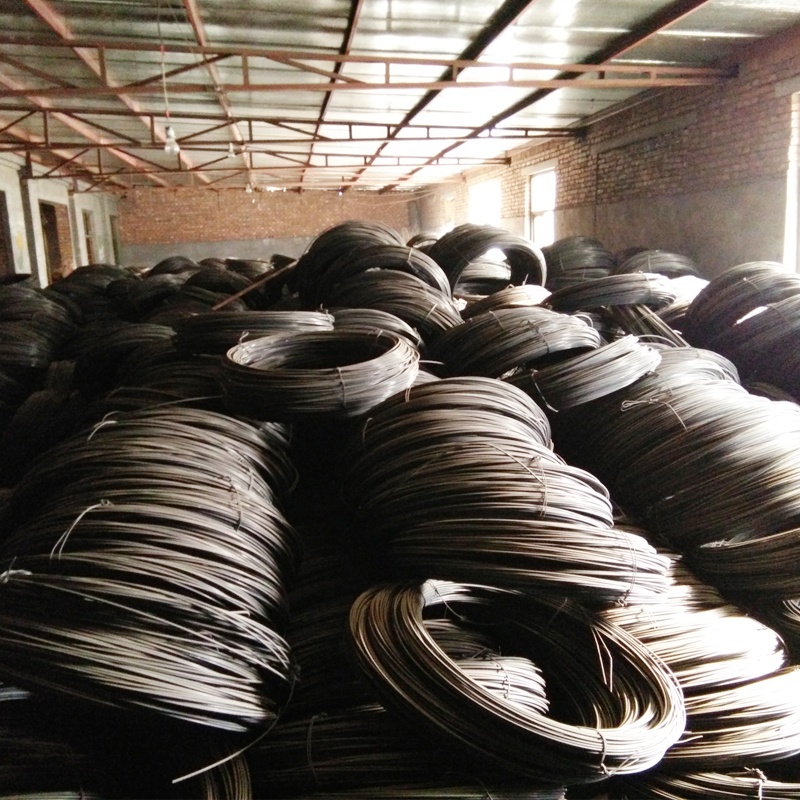
Black annealed wire is a low-carbon steel wire that has undergone a heat treatment process known as annealing. This process renders the wire soft and ductile, making it highly suitable for a wide range of applications across numerous industries. Positioned as a foundational material in construction, agriculture, crafts, and manufacturing, its role often lies as a precursor to further processing – forming into shapes, tying, or providing support. The primary performance characteristics of black annealed wire center around its formability, tensile strength (relatively low compared to high-carbon steels), and its susceptibility to corrosion, which influences its longevity in different environments. Understanding the manufacturing process and material properties is crucial for effective application and mitigation of potential failure modes. The economic viability of this wire stems from the relatively low cost of low-carbon steel and efficient production methodologies.
Material Science & Manufacturing
Black annealed wire is typically manufactured from low-carbon steel, generally containing 0.05% to 0.25% carbon by weight. The primary raw material is hot-rolled steel rod, which is subsequently drawn through a series of dies to achieve the desired wire diameter. The steel's composition influences its ductility and annealing response. The annealing process itself is critical. It involves heating the steel to a specific temperature (typically between 500-650°C) followed by slow cooling. This slow cooling is essential to relieve internal stresses introduced during the drawing process, making the wire pliable and easy to bend. Key parameters in the manufacturing process include die lubrication (to reduce friction and wear), drawing speed (influencing material deformation), and annealing temperature and cooling rate (controlling grain structure and ductility). Chemical composition control is vital to prevent the presence of detrimental elements like sulfur and phosphorus, which can impair ductility. Surface finishing often involves pickling to remove scale formed during hot rolling and annealing, enhancing corrosion resistance and adhesion for subsequent coatings if applied.
Performance & Engineering
The performance of black annealed wire is largely dictated by its tensile strength, elongation, and resistance to corrosion. Tensile strength, while lower than that of higher carbon steels, is adequate for applications requiring moderate load-bearing capacity. Elongation, typically in the range of 15-25%, is a measure of its ductility and ability to deform without fracturing. Force analysis often centers on determining the breaking load and yield strength of the wire, crucial for safety factors in construction or tying applications. Environmental resistance is a significant concern. The lack of protective coatings means that black annealed wire is prone to rust, especially in humid or corrosive environments. Therefore, applications requiring long-term outdoor exposure typically necessitate galvanizing or coating the wire with polymers. Compliance requirements vary depending on the intended use. Construction applications often demand adherence to building codes concerning material strength and safety. Agricultural applications may require compliance with standards related to animal welfare and environmental impact. The wire’s response to bending and forming (formability) is also a critical engineering consideration, especially in applications involving intricate shapes or repeated bending.
Technical Specifications
| Diameter (mm) | Tensile Strength (MPa) | Elongation (%) | Zinc Coating Weight (g/m2) (Optional) |
|---|---|---|---|
| 0.8 | 300-400 | 18-22 | N/A |
| 1.2 | 350-450 | 20-25 | 30-60 (Galvanized) |
| 1.6 | 400-500 | 22-27 | 60-80 (Galvanized) |
| 2.0 | 450-550 | 24-29 | 80-100 (Galvanized) |
| 2.5 | 500-600 | 26-31 | 120-150 (Galvanized) |
| 3.0 | 550-650 | 28-33 | 150-200 (Galvanized) |
Failure Mode & Maintenance
Black annealed wire is susceptible to several failure modes. The most common is corrosion, leading to reduced tensile strength and eventual fracture. Rust formation initiates at surface imperfections and accelerates in the presence of chlorides or other corrosive agents. Fatigue cracking can occur in applications involving repeated bending or flexing, particularly if the wire is subjected to cyclic stresses exceeding its yield strength. Hydrogen embrittlement, although less frequent, can occur during pickling or electrolytic processes if proper controls aren't in place, reducing ductility and promoting brittle fracture. Delamination isn't typically a failure mode for solid wire, but it can be relevant if the wire is coated with a polymer layer. Maintenance largely revolves around preventative measures. For applications where corrosion is a concern, regular inspection for rust is crucial. Protective coatings (galvanizing, PVC coating) should be inspected for damage and repaired promptly. In applications subject to bending, regular visual inspection for cracks or signs of fatigue is recommended. Periodic cleaning to remove debris and contaminants can also help extend the wire's service life. Avoid exposing the wire to harsh chemicals or extreme temperatures whenever possible.
Industry FAQ
Q: What is the primary difference between black annealed wire and galvanized wire in terms of corrosion resistance?
A: Black annealed wire, lacking a protective coating, is highly susceptible to rust, especially in humid or corrosive environments. Galvanized wire, coated with zinc, provides a sacrificial layer that corrodes preferentially, protecting the steel substrate. This significantly enhances corrosion resistance, making galvanized wire suitable for outdoor applications where black annealed wire would quickly degrade.
Q: What factors influence the ductility of black annealed wire?
A: Ductility is primarily influenced by the carbon content of the steel – lower carbon content generally leads to higher ductility. The annealing process is also critical; slow cooling from the annealing temperature allows for the relief of internal stresses and promotes a more ductile microstructure. The presence of impurities like sulfur and phosphorus can reduce ductility.
Q: Can black annealed wire be used for welding?
A: While technically possible, welding black annealed wire is generally not recommended. The low carbon content and annealed state result in a weak weld with poor mechanical properties. Higher carbon steel wires are preferred for welding applications. If welding is unavoidable, a specialized low-hydrogen welding process is necessary, and the weld should be thoroughly inspected.
Q: What is the typical tensile strength range for 1.2mm black annealed wire?
A: The typical tensile strength range for 1.2mm black annealed wire is between 350-450 MPa. This value can vary slightly depending on the specific steel grade and manufacturing process.
Q: How does drawing speed impact the properties of the finished black annealed wire?
A: Higher drawing speeds can lead to increased work hardening of the steel, resulting in a wire with higher tensile strength but reduced ductility. Controlling drawing speed is crucial to achieving the desired balance of properties. Slower drawing speeds and subsequent annealing are preferred for maximizing ductility.
Conclusion
Black annealed wire remains a vital material across diverse industries due to its cost-effectiveness, formability, and ease of processing. Its inherent susceptibility to corrosion, however, necessitates careful consideration of the application environment and the potential need for protective coatings. Proper understanding of the material science principles governing its production—from raw material selection to the critical annealing process—is paramount for ensuring consistent quality and performance.
Looking ahead, advancements in coating technologies and the development of corrosion-resistant alloys could enhance the longevity and broaden the application range of black annealed wire. Further research into optimizing the annealing process to simultaneously maximize ductility and strength will also be crucial for meeting evolving industry demands. Adherence to relevant international standards, coupled with rigorous quality control procedures, remains essential for maintaining the integrity and reliability of this foundational material.