



Introduction
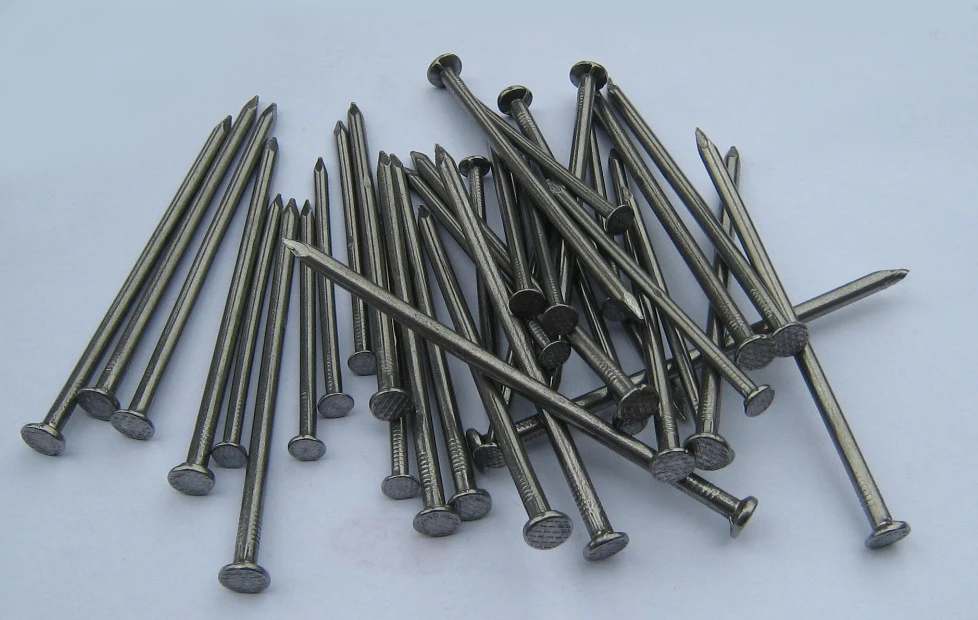
Black iron nails are a fundamental fastening element employed across a diverse range of construction, woodworking, and industrial applications. Characterized by their low carbon content, typically below 0.25% by weight, they offer a balance of strength, ductility, and cost-effectiveness. Positioned within the broader fastener industry chain, black iron nails represent a primary material conversion product derived from raw steel billets. Their core performance characteristics revolve around shear strength, tensile strength, and resistance to lateral withdrawal. Industry pain points frequently center on corrosion susceptibility, consistency in material hardness affecting driving performance, and ensuring adherence to building code specifications relating to fastener type and holding power. The increasing demand for durability and long-term structural integrity necessitates a thorough understanding of the material science, manufacturing processes, and potential failure modes of these ubiquitous fasteners.
Material Science & Manufacturing
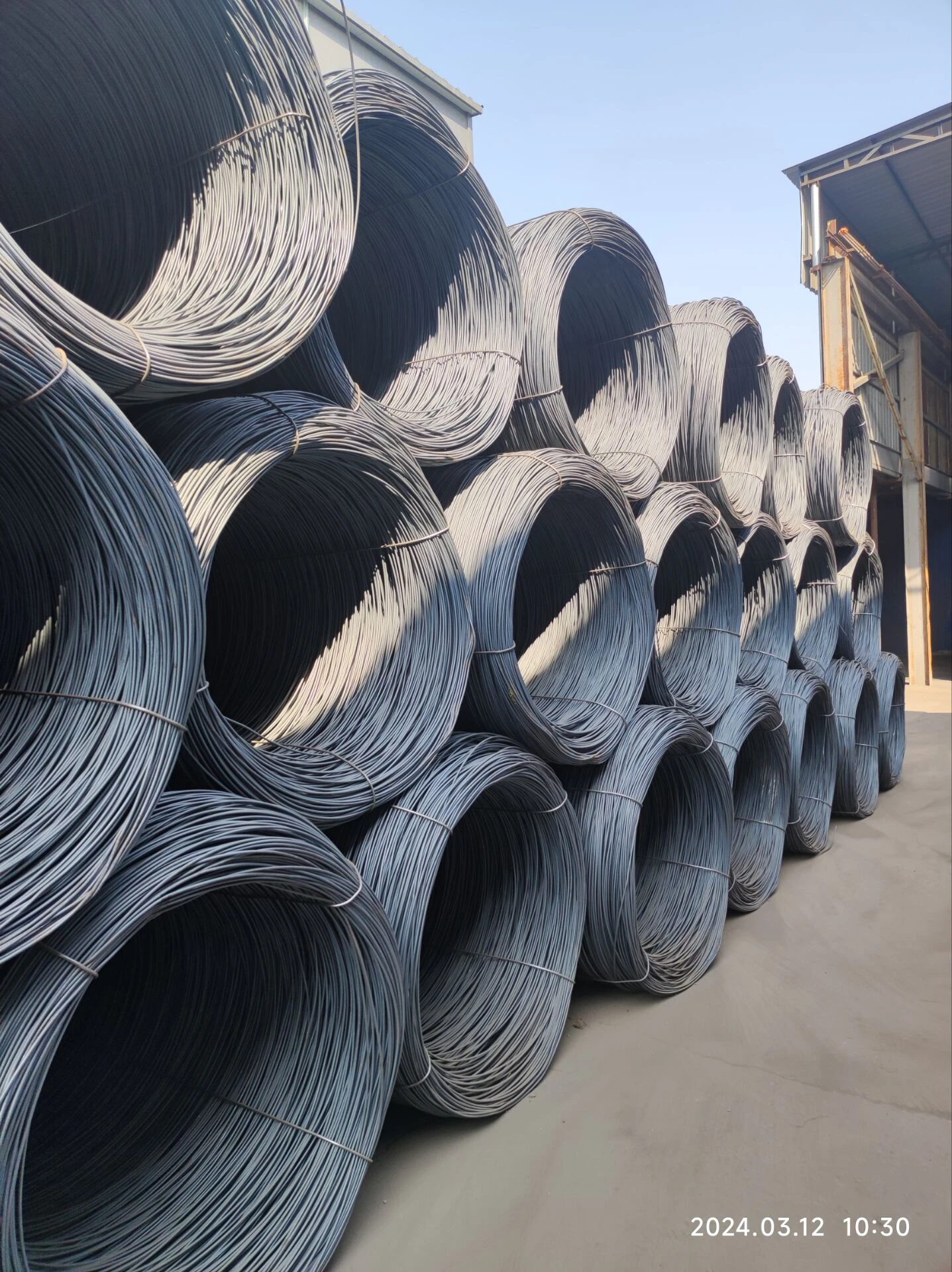
Black iron nails are predominantly manufactured from low-carbon steel wire, typically SAE 1008 or similar grades. The raw material exhibits inherent ductility and weldability, crucial for the nail forming process. Key physical properties include a density of approximately 7.87 g/cm³, a Young's modulus ranging from 200-210 GPa, and a tensile strength that, prior to heat treatment, generally falls between 300-400 MPa. Chemically, the composition consists primarily of iron, with trace amounts of manganese, phosphorus, and sulfur. The manufacturing process commonly involves wire drawing to achieve the desired diameter, followed by a heading process where the wire is cold-formed between dies to create the nail head. Precise control of the heading pressure and die geometry is critical to ensuring consistent head size and shape. Following heading, nails often undergo a surface treatment, typically a phosphatizing process, which improves corrosion resistance and provides a better surface for subsequent coating (though “black iron” nails are often left with the phosphate coating as their final finish). Quality control at each stage focuses on wire diameter consistency, head dimensions, and the presence of surface defects. Annealing may be employed after heading to relieve internal stresses and enhance ductility, further improving driveability. The consistency of the wire drawing process and accurate die calibration are vital to minimize nail bending and ensure reliable performance during installation.
Performance & Engineering
The performance of black iron nails is fundamentally governed by their ability to resist shear and tensile forces. Shear strength, critical in resisting lateral loads, is directly related to the nail’s cross-sectional area and the steel’s shear modulus. Tensile strength, indicating resistance to pulling forces, is affected by material composition and cold working during manufacturing. Environmental resistance is a significant engineering consideration. While the phosphate coating provides a degree of corrosion protection, black iron nails are susceptible to rust in humid environments or when exposed to corrosive substances. Galvanization or other protective coatings are often specified in applications requiring enhanced durability. Building codes (e.g., the International Building Code) dictate nail size, type, and spacing based on the intended structural application. Force analysis, including withdrawal strength calculations, is essential for determining the appropriate nail selection. The withdrawal strength is a function of nail diameter, length, wood density, and the angle of withdrawal. Proper nail penetration depth is crucial; insufficient penetration compromises holding power, while excessive penetration can weaken the surrounding material. The clinch point – the bending over of the nail tip within the wood – contributes significantly to withdrawal resistance. Understanding the wood species being fastened is also vital, as different wood densities offer varying levels of holding power.
Technical Specifications
| Nail Diameter (Gauge) | Nail Length (inches) | Shear Strength (MPa) | Tensile Strength (MPa) |
|---|---|---|---|
| 6d (3.37mm) | 1.5 | 250 | 380 |
| 8d (4.22mm) | 2.5 | 320 | 450 |
| 10d (4.97mm) | 3.5 | 400 | 520 |
| 12d (5.69mm) | 4.5 | 480 | 600 |
| 16d (6.35mm) | 5.5 | 550 | 680 |
| 20d (7.62mm) | 6.5 | 650 | 780 |
Failure Mode & Maintenance
Black iron nails are susceptible to several failure modes. Corrosion is a primary concern, leading to weakening of the nail shank and eventual failure. The phosphate coating offers limited protection and will eventually degrade, particularly in coastal environments or exposure to chloride ions. Fatigue cracking can occur under cyclic loading, especially in applications involving vibrations or repeated stress. This is initiated by microscopic flaws in the material or stress concentrations at the nail head. Shear failure, where the nail breaks along its cross-section, often results from exceeding the nail’s shear strength capacity. Withdrawal failure occurs when the nail loses its holding power, typically due to wood shrinkage, creep, or excessive lateral force. Delamination of the wood surrounding the nail can also contribute to withdrawal failure. Maintenance primarily revolves around preventative measures. Applying a corrosion-resistant coating (e.g., paint, sealant) to the exposed nail head and surrounding wood can significantly extend service life. Regular inspection for signs of corrosion or wood decay is recommended. In high-stress applications, periodic tightening or replacement of nails may be necessary. Avoiding the use of black iron nails in direct contact with dissimilar metals (e.g., aluminum) can mitigate galvanic corrosion. Addressing moisture ingress and ensuring proper ventilation can also reduce corrosion rates.
Industry FAQ
Q: What is the primary difference between a black iron nail and a galvanized nail in terms of corrosion resistance?
A: Galvanized nails are coated with a layer of zinc, which provides sacrificial corrosion protection. The zinc corrodes preferentially, protecting the underlying steel. Black iron nails have a phosphate coating, which offers minimal corrosion resistance and relies on the formation of iron oxide (rust) as a protective layer – a far less effective mechanism. Galvanized nails are therefore significantly more durable in corrosive environments.
Q: What gauge nail should be used for framing lumber versus trim work?
A: For framing lumber, typically 8d or 10d nails are used, providing sufficient shear and tensile strength for structural connections. For trim work, lighter gauge nails such as 6d or even finishing nails are appropriate, as the primary requirement is holding power without splitting the wood.
Q: How does the wood species affect the holding power of a black iron nail?
A: Harder, denser wood species (e.g., oak, maple) provide significantly greater holding power than softer woods (e.g., pine, fir). This is because the denser wood fibers offer more resistance to nail withdrawal. The same nail will exhibit a much higher withdrawal strength in oak compared to pine.
Q: What is the significance of the “clinch” in nail holding power?
A: The clinch refers to the bending over of the nail tip within the wood as it’s driven through. This creates a mechanical interlock that dramatically increases withdrawal resistance. A well-formed clinch significantly enhances the nail’s ability to hold against pulling forces.
Q: Are there any building code requirements regarding the use of black iron nails?
A: Yes, building codes (such as the IBC) specify the types of fasteners allowed for specific applications, including requirements for nail size, spacing, and material. Black iron nails are generally acceptable for many non-structural applications, but galvanized or stainless steel nails are often mandated for exterior use or in environments prone to corrosion. Local building codes should always be consulted.
Conclusion
Black iron nails, despite their simplicity, represent a crucial element in numerous construction and industrial applications. Their performance is intricately linked to material composition, manufacturing precision, and understanding their limitations regarding corrosion resistance and structural capacity. Proper selection of nail size and type, coupled with appropriate installation techniques, is paramount to ensuring reliable and long-lasting connections.
As material science advances and building codes evolve, the focus on durable and sustainable fastening solutions will continue to grow. While alternatives like screws and adhesives offer advantages in certain scenarios, black iron nails will remain a cost-effective and viable option for a wide range of applications where their inherent strength and ease of use are valued. Further research into improved surface treatments and alloy compositions could enhance their corrosion resistance and extend their service life.