



Introduction
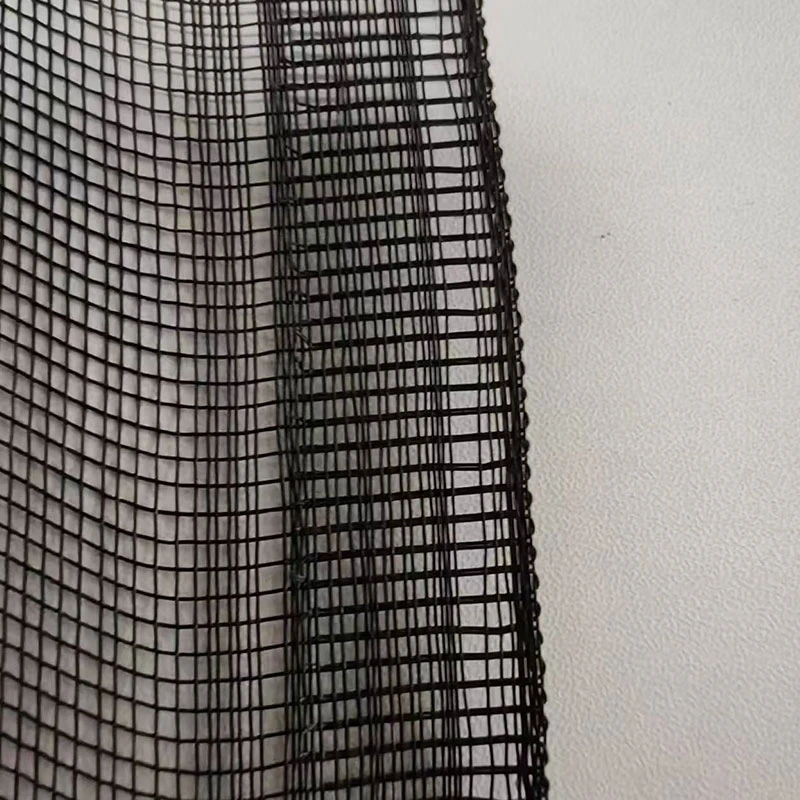
Black iron wire, typically low-carbon steel wire, occupies a critical position within numerous industrial supply chains. It’s a foundational material employed in applications ranging from construction and fencing to binding, lashing, and the manufacture of hardware cloth. Unlike galvanized or stainless steel wire, black iron wire lacks a protective coating, resulting in a characteristic dark finish and susceptibility to corrosion. This inherent characteristic dictates its applications, predominantly within temporary or indoor environments, or when cost considerations outweigh longevity. Its inherent ductility and malleability, coupled with its relatively low cost, make it a versatile and widely adopted material. This guide provides a comprehensive technical overview of black iron wire, encompassing its material science, manufacturing processes, performance characteristics, potential failure modes, and relevant industry standards. We will address the core concerns of procurement managers and engineers tasked with specifying and utilizing this essential industrial component.
Material Science & Manufacturing
Black iron wire is predominantly manufactured from low-carbon steel, typically containing 0.05% to 0.25% carbon by weight. The steel alloy commonly includes manganese (0.20-0.90%), silicon (0.05-0.30%), and phosphorus & sulfur present as impurities, though their levels are carefully controlled. The low carbon content imparts ductility and weldability, essential for wire drawing processes. Raw material typically arrives in the form of hot-rolled steel rods. The manufacturing process begins with pickling, using hydrochloric or sulfuric acid to remove mill scale and surface oxides. This prepares the steel for subsequent processing. The core process is wire drawing, where the steel rod is pulled through a series of progressively smaller dies, reducing its diameter and increasing its tensile strength. This process introduces significant work hardening, requiring intermediate annealing stages to restore ductility. Annealing is performed in a controlled atmosphere (often using nitrogen or hydrogen) to prevent oxidation. Following drawing and annealing, the wire undergoes straightening, cleaning, and often, coiling. Parameter control during wire drawing – die angle, drawing speed, lubrication, and annealing temperature – are critical. Incorrect control can lead to surface defects, inconsistent diameter, and reduced mechanical properties. The surface finish is intentionally left untreated, resulting in the characteristic “black” appearance from residual oxides.
Performance & Engineering
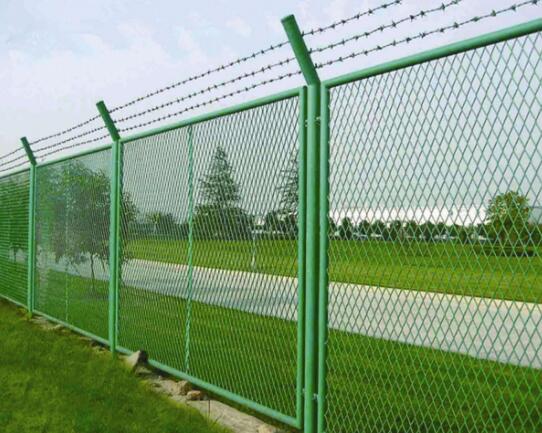
The performance of black iron wire is dictated by its tensile strength, yield strength, elongation, and resistance to corrosion. Tensile strength typically ranges from 400-600 MPa, depending on the cold working achieved during wire drawing. Yield strength is approximately 250-400 MPa. Elongation, a measure of ductility, is generally between 10-20%. Force analysis in typical applications, such as fencing, requires consideration of wind load, weight of supported materials, and safety factors. The wire’s ability to withstand these forces without permanent deformation or fracture is paramount. Environmental resistance is the primary performance limitation. Black iron wire is highly susceptible to corrosion, particularly in humid environments or when exposed to chlorides. Corrosion manifests as rust formation, reducing the wire’s cross-sectional area and compromising its strength. Engineering designs employing black iron wire must account for this corrosion rate, especially in outdoor applications. Protective measures, such as periodic coating with rust inhibitors, can extend service life. Compliance requirements often dictate the permissible level of impurities (e.g., lead, cadmium) in the steel alloy, particularly in applications involving food contact or potable water systems. Standards such as ASTM A827 address these requirements.
Technical Specifications
| Diameter (mm) | Tensile Strength (MPa) | Yield Strength (MPa) | Elongation (%) |
|---|---|---|---|
| 1.2 | 450-550 | 280-380 | 12-18 |
| 1.6 | 400-500 | 250-350 | 10-16 |
| 2.0 | 380-480 | 230-330 | 8-14 |
| 2.5 | 350-450 | 200-300 | 6-12 |
| 3.0 | 320-420 | 180-280 | 5-10 |
| 4.0 | 300-400 | 160-260 | 4-8 |
Failure Mode & Maintenance
Black iron wire is prone to several failure modes. The most common is corrosion-induced failure, where sustained rust formation reduces the effective cross-sectional area, leading to tensile overload and fracture. This is accelerated in marine environments or areas with high salt content. Fatigue cracking can occur in applications involving cyclical loading, even at stresses below the yield strength. This is particularly relevant in binding and lashing applications where the wire is repeatedly bent and straightened. Hydrogen embrittlement, though less common, can occur during pickling if proper controls are not in place. This weakens the steel and promotes brittle fracture. Creep, slow deformation under sustained load, can also lead to failure, especially at elevated temperatures. Maintenance primarily focuses on mitigating corrosion. Regular cleaning to remove dirt and debris is beneficial. Application of rust inhibitors, such as oil-based coatings, provides a temporary protective barrier. In applications where corrosion is unavoidable, periodic inspection and replacement of the wire are essential. Visual inspection for signs of rust or cracking should be conducted regularly. Any wire exhibiting significant corrosion or damage should be replaced immediately to prevent catastrophic failure. For high-stress applications, non-destructive testing methods such as eddy current testing can detect internal flaws and assess the remaining wire strength.
Industry FAQ
Q: What is the primary difference between black iron wire and galvanized wire in terms of corrosion resistance?
A: Galvanized wire is coated with a layer of zinc, which provides a sacrificial protective layer, preventing the steel from directly contacting corrosive elements. Black iron wire lacks this coating and is therefore significantly more susceptible to rust. Galvanized wire is preferred for outdoor or humid environments where corrosion is a major concern, despite the higher cost.
Q: What impact does the wire drawing process have on the final mechanical properties of black iron wire?
A: Wire drawing increases the tensile strength and yield strength of the wire due to work hardening. However, it also reduces ductility. Annealing between drawing stages is crucial to restore sufficient ductility for further processing and to prevent brittle fracture. The final mechanical properties are directly related to the degree of cold work and the effectiveness of the annealing process.
Q: Can black iron wire be welded? What are the considerations?
A: Yes, black iron wire can be welded, but it requires careful consideration. The low-carbon content makes it generally weldable using common welding processes like MIG or TIG. However, the presence of surface oxides can interfere with weld quality. Thorough cleaning and preheating are often necessary. Post-weld cooling should be slow to minimize the risk of cracking.
Q: What are the typical applications where the lack of corrosion resistance of black iron wire is not a limiting factor?
A: Black iron wire is commonly used in indoor applications, such as binding materials, creating wire mesh for crafts, or as a component in temporary structures. It's also used in applications where it's protected from the environment, such as within concrete reinforcement or as a component inside machinery.
Q: What is the typical lead time for custom black iron wire orders, and what are the minimum order quantities?
A: Lead times for custom orders vary depending on the wire diameter, quantity, and any specific processing requirements (e.g., cutting, coiling). Typical lead times range from 2-4 weeks. Minimum order quantities also vary but generally start around 500kg, although this is negotiable depending on the supplier and specific product.
Conclusion
Black iron wire remains a crucial material across diverse industries despite its inherent susceptibility to corrosion. Its cost-effectiveness, combined with its ductility and malleability, continues to drive its widespread adoption. Understanding the material’s limitations, specifically its corrosion behavior, is paramount for engineers and procurement professionals. Careful consideration of application environment, load conditions, and appropriate maintenance strategies are essential to ensure structural integrity and prevent premature failure. The selection of black iron wire should be a deliberate choice based on a comprehensive assessment of performance requirements and cost-benefit analysis.
Future trends may involve exploring innovative surface treatments to enhance corrosion resistance without significantly increasing cost. Research into alternative low-carbon steel alloys with improved corrosion properties could also expand the applicability of this versatile material. Maintaining adherence to relevant industry standards, such as those outlined below, is critical for ensuring quality control and consistent performance throughout the supply chain.