



Introduction
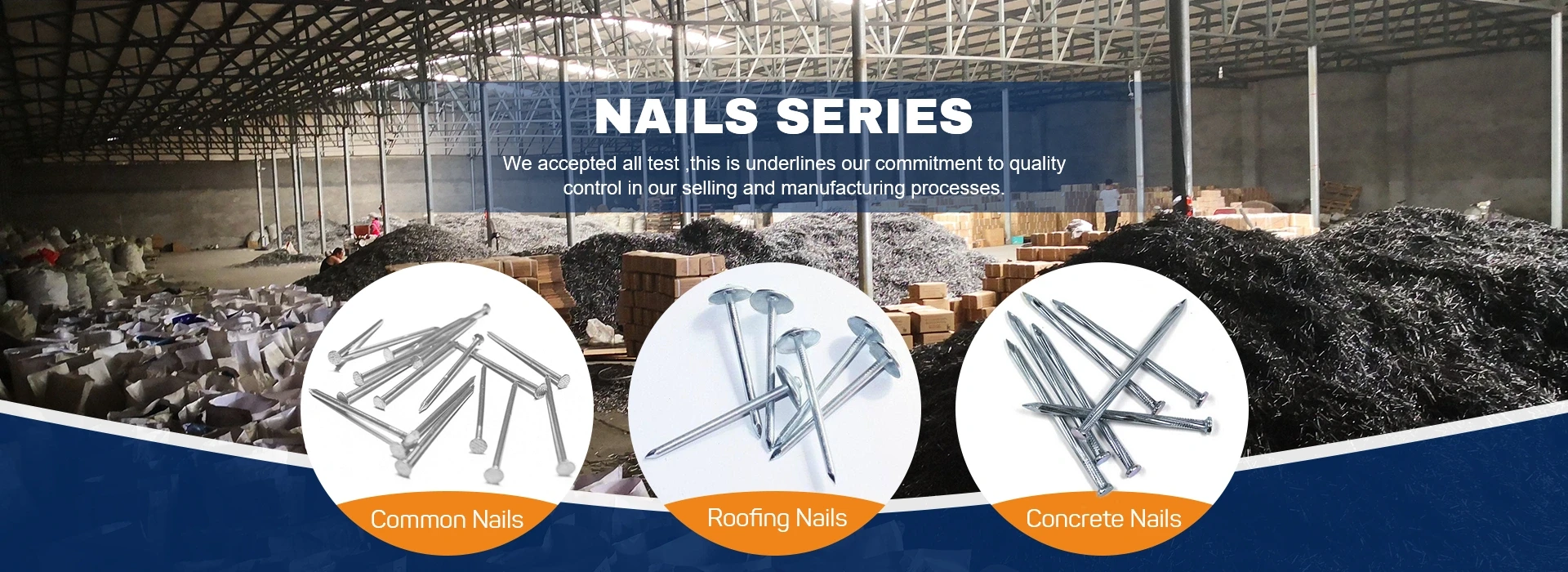
Box coil roofing nails are a specialized fastening solution utilized extensively in the roofing industry for the secure attachment of roofing materials to substrates. These nails are distinct from conventional nails due to their construction: they are collated in a box magazine, designed for use with pneumatic coil nailers, and typically constructed from hardened steel with specialized coatings. Their primary application lies in high-volume roofing projects, particularly those utilizing coil roofing materials such as metal roofing panels, offering a significant advantage in installation speed and labor cost reduction. The performance of box coil roofing nails is critical to the long-term integrity of a roofing system, directly impacting resistance to wind uplift, water ingress, and structural stability. This guide provides a comprehensive technical overview of box coil roofing nails, covering material science, manufacturing processes, performance characteristics, failure modes, and relevant industry standards.
Material Science & Manufacturing
The core material for box coil roofing nails is typically high-carbon steel, often AISI 10B22 or similar alloys, selected for their high tensile strength and hardness. Wire drawing is the initial process, reducing the diameter of the steel billet to the desired nail shank size. Subsequent heat treatment processes – hardening and tempering – are crucial. Hardening increases the steel’s resistance to deformation, while tempering reduces brittleness, preventing fracture during installation and in service. Nail shanks undergo a phosphating or zinc coating process to enhance corrosion resistance. The most common coating is hot-dip galvanization, providing a robust barrier against atmospheric corrosion. More advanced coatings, like polyester or ceramic coatings, offer superior protection, especially in harsh marine or industrial environments. Nail head formation is achieved through a cold heading process, where the wire is upset between dies to create the nail head shape. Collating involves precisely aligning and joining the nails using plastic, paper, or wire collation, forming a coil ready for loading into a coil nailer. Quality control throughout the manufacturing process includes dimensional checks, hardness testing (Rockwell C scale), coating thickness measurement, and shear strength testing to ensure compliance with industry specifications. The consistency of the wire material, precise control of heat treatment parameters, and the integrity of the coating are all critical to the final nail’s performance.
Performance & Engineering
The performance of box coil roofing nails is fundamentally governed by their shear strength, tensile strength, and withdrawal resistance. Shear strength is paramount, as it dictates the nail’s ability to resist forces parallel to the substrate, particularly wind uplift. Tensile strength is essential to prevent nail shank elongation under load. Withdrawal resistance, or pull-out strength, is crucial to maintain the roof covering's integrity over time. Engineering analysis of nail performance often involves finite element analysis (FEA) to model stress distribution and predict failure points under various loading scenarios. Factors influencing performance include nail diameter, shank length, head diameter, point angle, and the properties of both the nail material and the substrate. The nail’s point geometry (sharp, blunt, or diamond) affects its penetration characteristics and installation force requirements. Compliance with building codes and industry standards necessitates demonstrating adequate wind uplift resistance, often through rigorous testing procedures outlined by organizations like UL (Underwriters Laboratories) and FM Approvals. Furthermore, the nail’s coating plays a significant role in long-term performance, preventing corrosion-induced strength degradation. Electrochemical corrosion testing, including salt spray testing (ASTM B117), is used to evaluate coating durability.
Technical Specifications
| Nail Diameter (inches) | Nail Length (inches) | Head Diameter (inches) | Shank Type |
|---|---|---|---|
| 0.113 | 1.25 | 0.375 | Smooth |
| 0.120 | 1.50 | 0.400 | Ring Shank |
| 0.131 | 1.75 | 0.450 | Screw Shank |
| 0.148 | 2.00 | 0.500 | Smooth |
| 0.162 | 2.50 | 0.550 | Ring Shank |
| 0.190 | 3.00 | 0.625 | Screw Shank |
Failure Mode & Maintenance
Common failure modes for box coil roofing nails include shank fracture, head pull-through, and corrosion-induced weakening. Shank fracture typically occurs due to excessive shear stress or tensile stress, often exacerbated by material defects or improper installation. Head pull-through can occur if the nail head is too small relative to the substrate material or if the nail is overdriven. Corrosion is a significant concern, particularly in coastal environments or areas with high pollution levels. Galvanic corrosion can occur when dissimilar metals are in contact, accelerating corrosion of the nail. Preventative maintenance, although limited with installed nails, focuses on ensuring proper installation techniques, including correct nailer settings (pressure and depth), and selecting nails with appropriate corrosion resistance for the specific environment. Regular inspections of the roofing system can identify signs of nail failure, such as loose or missing nails, and allow for timely repairs. When replacing failed nails, it’s critical to use nails with equivalent or superior material specifications and coatings. Failure analysis of extracted nails can reveal the root cause of failure, informing future material selection and installation practices. Microscopic examination of fracture surfaces can identify evidence of fatigue cracking, brittle fracture, or corrosion.
Industry FAQ
Q: What is the significance of shank type (smooth, ring shank, screw shank) in roofing nail performance?
A: Shank type drastically impacts withdrawal resistance. Smooth shank nails offer the least resistance, making them suitable for applications where minimal holding power is required. Ring shank nails feature circumferential ridges that significantly increase withdrawal resistance by creating a mechanical interlock with the substrate. Screw shank nails provide even greater withdrawal resistance due to their helical threads, offering superior holding power in challenging substrates.
Q: How does the coating material impact the longevity of roofing nails in corrosive environments?
A: Coating material is crucial for corrosion resistance. Standard galvanization provides a good level of protection, but for harsh environments (marine, industrial), polyester, ceramic, or stainless steel coatings are recommended. These advanced coatings offer superior barrier protection against salt spray, chemicals, and UV degradation, extending the nail's service life.
Q: What nail size (diameter and length) should be selected for a specific roofing application?
A: Nail size is determined by the roofing material, substrate type, and local building codes. Thicker roofing materials and harder substrates require larger diameter and longer nails. Building codes often specify minimum nail size and spacing requirements for wind uplift resistance. Consult local building regulations and roofing material manufacturer recommendations for specific guidance.
Q: What are the common causes of nail failures during the installation process?
A: Common installation-related failures include overdriving the nail (damaging the substrate and reducing holding power), underdriving the nail (leaving the nail head exposed), using incorrect nailer settings (pressure too high or too low), and using a nailer not specifically designed for coil roofing nails. Proper training of installation personnel and adherence to nailer manufacturer recommendations are essential.
Q: What testing standards are used to evaluate the performance of box coil roofing nails?
A: Several testing standards are used, including ASTM F1667 (Standard Test Method for Withdrawal Resistance of Roofing Nails), ASTM B117 (Standard Test Method for Salt Spray Testing), and UL 580 (Tests for Uplift Resistance of Roofing Systems). These standards assess shear strength, withdrawal resistance, corrosion resistance, and wind uplift performance.
Conclusion
Box coil roofing nails represent a critical component in modern roofing systems, offering efficiency and reliability when properly selected and installed. Their performance is a complex interplay of material science – specifically, the properties of high-carbon steel and protective coatings – and precise manufacturing controls. Understanding the nuances of nail diameter, shank type, and head design is essential for engineers and contractors alike.
Ongoing advancements in coating technology, coupled with stricter adherence to industry standards like ASTM and UL, will continue to drive improvements in the durability and longevity of box coil roofing nails. Future research may focus on developing even more corrosion-resistant materials and optimizing nail designs for enhanced wind uplift performance and reduced failure rates, ultimately contributing to safer and more resilient roofing systems.