




Introduction
Bulk coil nails represent a significant advancement in fastening technology within the construction and woodworking industries. These nails, automatically fed from a coil into a pneumatic nailer, offer substantially increased productivity compared to traditional hand-nailing or even individual magazine-fed nails. Their primary function is to provide a robust and efficient method for joining wood materials in applications ranging from framing and sheathing to pallet construction and trim work. The technical position of coil nails lies between traditional bulk nails and specialized fasteners like screws, offering a balance of speed, holding power, and cost-effectiveness. Core performance characteristics are defined by nail gauge (diameter), shank length, head diameter, coil angle, and material composition, directly influencing penetration depth, withdrawal resistance, and corrosion performance. Understanding these parameters is crucial for selecting the appropriate coil nail for a given application and optimizing fastening efficiency.
Material Science & Manufacturing
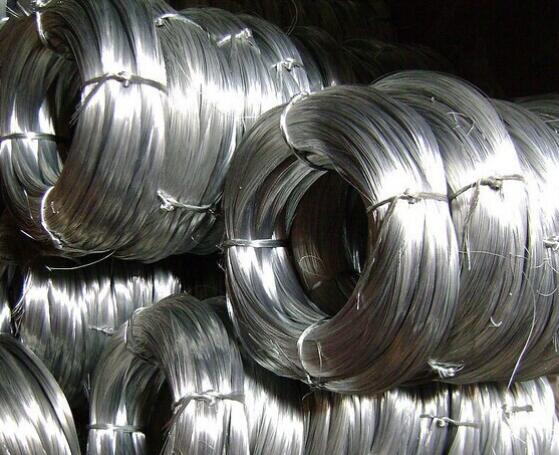
The predominant material utilized in bulk coil nail manufacturing is carbon steel, specifically SAE 1008 or equivalent. This steel offers a suitable balance of ductility and tensile strength for nail formation and penetration. Wire rod, typically supplied in coils, undergoes a series of manufacturing processes. First, the wire is drawn through a die to achieve the desired gauge (diameter). Precise die selection and lubrication are critical to ensure consistent diameter and surface finish. Following wire drawing, the wire is straightened to remove residual stresses introduced during the drawing process. This is typically achieved through a rotary straightening machine. Next, the wire is fed into a collating machine which forms the nail head, creates the coil shape (typically 21° or 34° angle), and winds the nails onto a coil reel. Critical parameters during collating include head forming pressure, coil pitch, and nail spacing. Incorrect parameter settings can lead to deformed heads, inconsistent coil winding, or increased nail jamming during use. Surface treatments such as bright basic coating (zinc coating), electro-galvanizing, or hot-dip galvanizing are often applied to enhance corrosion resistance. The choice of coating depends on the intended application environment. For example, exterior applications necessitate thicker galvanization or specialized coatings like epoxy-phenolic resins. Quality control throughout the process involves dimensional checks (gauge, length, head diameter, coil angle) and material hardness testing (Rockwell C scale) to ensure compliance with industry standards.
Performance & Engineering
The performance of bulk coil nails is governed by several engineering principles. Shear strength, determined by the nail’s cross-sectional area and material yield strength, dictates its resistance to lateral forces. Tensile strength, a function of the nail material and its cross-section, defines its ability to withstand pulling forces. Withdrawal resistance, critical in load-bearing applications, is influenced by nail length, diameter, wood density, and nail angle. A larger diameter and longer nail generally yield higher withdrawal resistance. The coil angle impacts the direction of force during penetration, with steeper angles (e.g., 34°) providing greater holding power in softer woods, while shallower angles (e.g., 21°) are suitable for harder woods where splitting is a concern. Force analysis during nail penetration reveals that significant stress concentrations occur at the nail tip and the wood-nail interface. These stresses can lead to bending, shear failure, or wood splitting. Proper nailer adjustment (driving pressure) is essential to optimize penetration depth and minimize these stresses. Environmental resistance is a critical consideration. Corrosion, particularly in outdoor applications or in contact with treated lumber, can significantly reduce nail strength and longevity. The choice of coating material directly impacts corrosion resistance. Compliance requirements vary depending on the end-use application. For structural applications, coil nails must meet load-carrying capacity requirements outlined in building codes (e.g., IBC in the United States) and standards established by organizations like the American Wood Council (AWC).
Technical Specifications
| Nail Gauge (Diameter) | Shank Length (inches) | Head Diameter (inches) | Coil Angle (degrees) |
|---|---|---|---|
| 0.099" (2.5mm) | 1.25" | 0.25" | 21° |
| 0.113" (2.87mm) | 1.50" | 0.315" | 34° |
| 0.120" (3.05mm) | 2.00" | 0.35" | 21° |
| 0.131" (3.33mm) | 2.50" | 0.40" | 34° |
| 0.148" (3.76mm) | 3.00" | 0.45" | 21° |
| 0.162" (4.11mm) | 3.50" | 0.50" | 34° |
Failure Mode & Maintenance
Failure modes of bulk coil nails are diverse and application-dependent. Fatigue cracking, resulting from repeated stress cycles, can occur in structural applications subject to dynamic loads. This is particularly prevalent in nails with surface imperfections or corrosion. Shank bending is common when encountering knots or dense wood grain, exceeding the nail’s shear strength. Head snapping, or shear failure of the nail head, can occur during high-speed driving if the nailer is improperly adjusted or if the wood is particularly hard. Corrosion is a significant contributor to long-term failure, especially in exposed applications. Rust formation weakens the nail material and reduces its withdrawal resistance. Delamination of the coating, due to poor adhesion or mechanical damage, accelerates corrosion. Oxidation of the steel itself, even with protective coatings, can occur over extended periods. Maintenance primarily focuses on preventing failure. Proper storage of coil nails in a dry environment is crucial to prevent corrosion. Regular inspection of nailers for wear and tear, including the driver blade and feed mechanism, is essential for consistent performance. Appropriate nailer adjustment (driving pressure) minimizes the risk of head snapping and shank bending. For applications requiring high corrosion resistance, periodic inspection of nails in service is recommended, replacing any exhibiting signs of significant rust or coating degradation. The use of compatible fasteners in conjunction with treated lumber is vital to avoid galvanic corrosion.
Industry FAQ
Q: What is the difference between bright basic and electro-galvanized coil nails, and when should each be used?
A: Bright basic coating is a light zinc coating applied post-nail formation, offering limited corrosion resistance and is best suited for indoor, dry applications. Electro-galvanization provides a thicker zinc layer and better corrosion protection, making it suitable for slightly more demanding indoor applications or protected outdoor uses. The primary difference is the thickness of the zinc layer and the method of application, influencing the cost and durability.
Q: How does nail gauge affect holding power, and what gauge is typically used for framing applications?
A: Nail gauge (diameter) is directly proportional to holding power. A larger gauge nail provides a greater surface area for friction and resistance to withdrawal. For framing applications, a nail gauge of 0.131" (3.33mm) or 0.148" (3.76mm) is typically recommended, providing sufficient strength for structural connections. However, local building codes dictate specific requirements.
Q: What is the impact of coil angle on nail splitting in hardwoods?
A: A steeper coil angle (e.g., 34°) tends to drive the nail more directly into the wood fibers, potentially causing splitting, especially in hardwoods. A shallower angle (e.g., 21°) distributes the force over a wider area, reducing the risk of splitting. The choice of angle depends on the wood species and the desired holding power.
Q: How should I troubleshoot frequent nail jamming in my coil nailer?
A: Frequent nail jamming can be caused by several factors: incorrect driving pressure (too high or too low), a dirty or damaged nailer feed mechanism, the use of incorrect nails for the nailer model, or improperly formed/damaged nails within the coil. Check the nailer manual for recommended settings, clean the feed mechanism, ensure the nails are compatible, and inspect the coil for any defective nails.
Q: Are there any specific considerations when using coil nails with pressure-treated lumber?
A: Yes. The chemical preservatives used in pressure-treated lumber are highly corrosive. Use only coil nails specifically designed for use with treated lumber, typically featuring a thicker galvanization or specialized coatings (like epoxy-phenolic). Standard nails will corrode rapidly, leading to failure. Also, ensure the nailer is thoroughly cleaned after use to prevent preservative residue from causing corrosion within the tool.
Conclusion
Bulk coil nails have revolutionized fastening processes in numerous industries by offering a compelling combination of speed, efficiency, and cost-effectiveness. The selection of the appropriate nail, considering factors like gauge, length, coil angle, and coating, is paramount to achieving optimal performance and longevity. A thorough understanding of the material science behind their construction, coupled with proper manufacturing controls, ensures consistent quality and reliability.
Looking ahead, advancements in coating technology and steel alloys promise even greater corrosion resistance and enhanced strength for coil nails. Furthermore, the integration of smart sensors within nailers, providing real-time feedback on driving pressure and nail alignment, will further optimize fastening performance and minimize waste. Adherence to relevant international standards remains crucial for maintaining product quality and ensuring structural integrity.