



Introduction
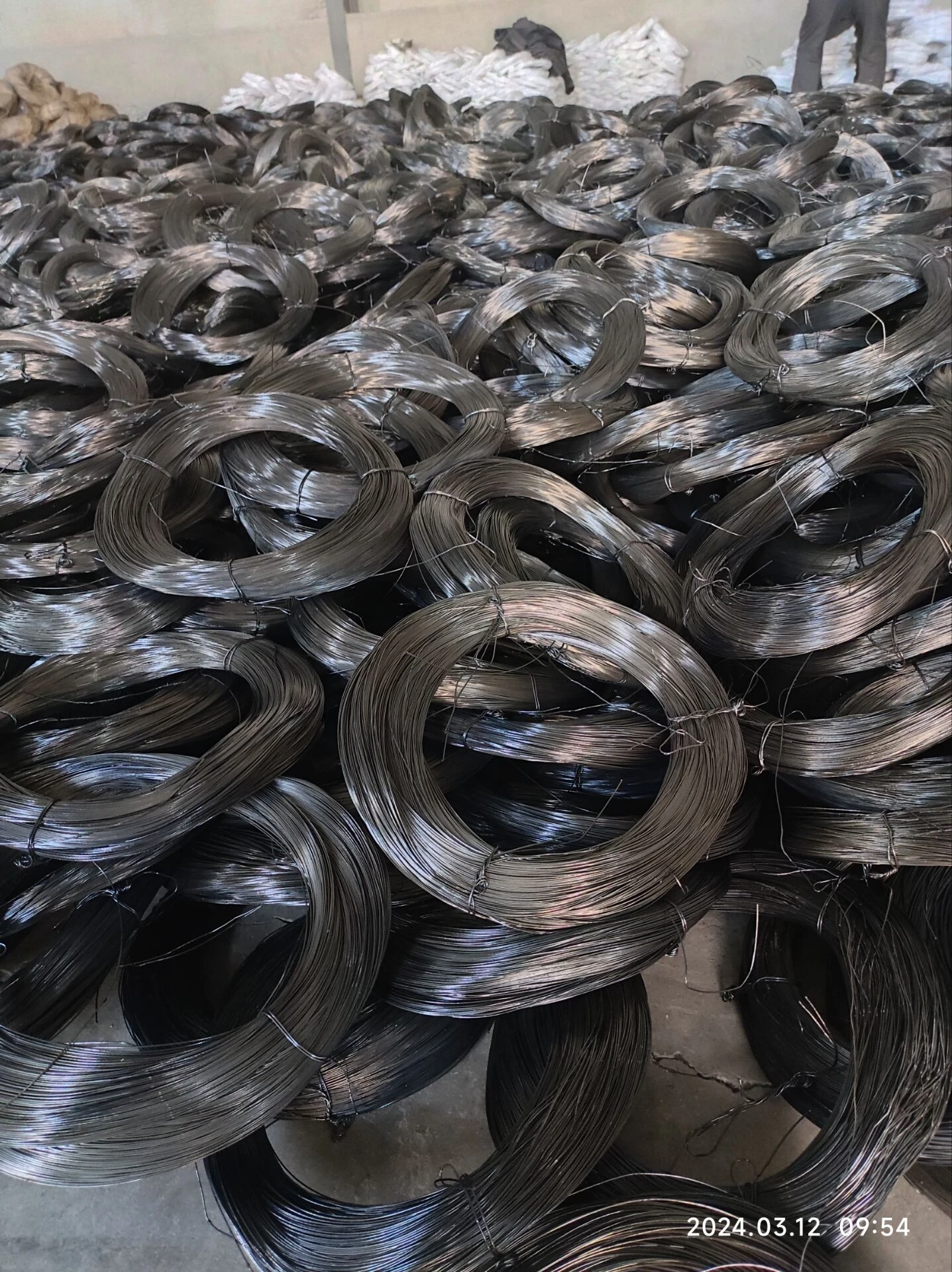
Galvanised wire, produced through the application of a protective zinc coating to steel wire, represents a critical component across numerous industrial and commercial applications. Its primary function is to mitigate corrosion, significantly extending the service life of the steel substrate. Within the broader metallic materials landscape, galvanised wire occupies a distinct position due to its cost-effectiveness, ease of handling, and suitability for diverse forming operations. This guide provides a detailed exploration of galvanised wire, encompassing its material science, manufacturing processes, performance characteristics, potential failure modes, and relevant industry standards. Core performance indicators include zinc coating thickness, tensile strength, elongation, and adherence to specified corrosion resistance benchmarks. The selection of appropriate galvanised wire is crucial for ensuring structural integrity and minimizing long-term maintenance costs in applications ranging from fencing and cable armouring to construction and electrical grounding.
Material Science & Manufacturing
The base material for galvanised wire is typically carbon steel, chosen for its balance of strength and cost. Common steel grades employed include SAE 1008, 1018, and similar low-carbon variants. The critical material property influencing galvanising adhesion is surface cleanliness; the presence of oxides, mill scale, or contaminants inhibits proper zinc bonding. The galvanising process itself involves several methods. Hot-dip galvanising, the most prevalent technique, submerges the steel wire in a molten zinc bath (typically 98% pure zinc) at temperatures between 440°C and 460°C. This creates a metallurgical bond through a series of iron-zinc alloy layers, followed by an outer layer of pure zinc. Electrogalvanising utilizes an electrolytic process, depositing zinc ions onto the wire surface through an electrical current. Galvanised wire can also be produced via sherardizing (vapor galvanising), where wire is tumbled with zinc powder and heated, resulting in a diffusion coating. Critical manufacturing parameters include bath temperature (hot-dip), current density (electrogalvanising), and process time, all directly affecting coating thickness, uniformity, and adherence. The resulting microstructure consists of distinct layers: Gamma (Fe5Zn8), Delta (FeZn10), Zeta (FeZn13), and Eta (pure zinc). The ratio of these phases determines the coating's hardness and corrosion resistance. Careful control of cooling rates post-galvanising is crucial to manage zinc solidification and minimize stresses within the coating.
Performance & Engineering
The performance of galvanised wire is dictated by several key engineering considerations. Tensile strength, a crucial factor in load-bearing applications, is dependent on both the base steel grade and the galvanising process, which can induce slight surface compressive stresses, improving fatigue life. The zinc coating acts as a sacrificial anode, preferentially corroding before the steel substrate. This cathodic protection mechanism is most effective when a continuous, intact coating is maintained. Environmental resistance is paramount; galvanised wire performs admirably in atmospheric conditions, but its corrosion rate increases in the presence of chlorides (marine environments) or acidic conditions. Force analysis in wire rope and cable applications necessitates understanding the wire’s yield strength, elongation at break, and resistance to bending fatigue. Furthermore, adherence to relevant engineering standards, such as those governing fencing construction or electrical grounding systems, is critical for ensuring safety and regulatory compliance. The coating thickness directly correlates with longevity; thicker coatings provide longer-lasting corrosion protection. Design considerations should also account for potential bimetallic corrosion if galvanised wire is in contact with dissimilar metals, necessitating the use of insulating materials where appropriate. Calculations for load capacity must account for potential reduction in cross-sectional area due to corrosion over the designed lifespan.
Technical Specifications
| Parameter | Unit | Typical Value (Low Carbon Steel Wire) | Tolerance |
|---|---|---|---|
| Tensile Strength | MPa | 380-550 | ± 10% |
| Elongation at Break | % | 10-20 | ± 2% |
| Zinc Coating Thickness (Hot-Dip) | µm | 50-80 | ± 5µm |
| Zinc Coating Weight | g/m² | 60-100 | ± 5 g/m² |
| Diameter | mm | 0.8 - 5.0 | ± 0.02 mm |
| Hydrogen Embrittlement (Post Galvanizing) | ppm | < 5 | N/A (Max Value) |
Failure Mode & Maintenance
Galvanised wire, while robust, is susceptible to several failure modes. Uniform corrosion, the gradual erosion of the zinc coating, is a common occurrence, particularly in harsh environments. However, more localized corrosion forms present greater concerns. Pitting corrosion manifests as small, localized attacks, often initiated by surface imperfections or chloride contamination. Crevice corrosion occurs in shielded areas where access to oxygen is restricted. White rust (zinc hydroxide corrosion) can form under conditions of high humidity and limited ventilation, compromising the coating’s integrity. Mechanical damage, such as abrasion or bending fatigue, can disrupt the zinc coating, exposing the steel substrate. Hydrogen embrittlement, a phenomenon where hydrogen atoms diffuse into the steel during pickling or galvanising, can reduce ductility and lead to premature failure, especially in high-strength wires. Maintenance strategies include regular visual inspections to identify areas of coating damage, application of protective coatings (such as zinc-rich paints) to repair damaged areas, and periodic cleaning to remove dirt and contaminants. Galvanised wire in corrosive environments may benefit from supplemental corrosion inhibitors. For wire rope applications, proper lubrication is critical to minimize internal friction and wear. Proper storage in a dry environment is vital to minimize white rust formation before installation.
Industry FAQ
Q: What is the difference between hot-dip galvanising and electrogalvanising in terms of corrosion resistance?
A: Hot-dip galvanising generally offers superior corrosion resistance due to the thicker coating and metallurgical bonding achieved. The hot-dip process creates a coating with a greater quantity of zinc, providing longer-lasting protection. Electrogalvanising, while providing a uniform and controllable coating, typically results in a thinner layer and weaker metallurgical bond, making it less resistant to long-term corrosion, particularly in harsh environments.
Q: How does the carbon content of the steel wire affect the galvanising process?
A: Lower carbon content steels are generally preferred for galvanising because they form a more adherent coating. Higher carbon content increases the reactivity of the steel with molten zinc, potentially leading to thicker, more brittle alloy layers that may reduce coating adhesion and ductility. Controlling the steel composition is critical for achieving optimal coating quality.
Q: What are the implications of hydrogen embrittlement and how can it be mitigated?
A: Hydrogen embrittlement occurs when atomic hydrogen diffuses into the steel during acid pickling or the galvanising process, reducing its ductility and increasing its susceptibility to cracking. Mitigation strategies include utilizing inhibitors during pickling, minimizing pickling time, and performing a post-galvanising baking process to drive out the absorbed hydrogen.
Q: What are the primary factors influencing the cost of galvanised wire?
A: The cost of galvanised wire is influenced by several factors, including the price of steel, the cost of zinc, the wire diameter, the coating thickness specified, and the quantity ordered. Higher zinc prices and thicker coating requirements directly increase the cost. Also, any special finishing or packaging requirements will add to the total expense.
Q: What standards are used to assess the quality of a galvanised wire coating?
A: The quality of a galvanised wire coating is assessed using various standards, including ASTM B6 (for zinc coating weight), ASTM B8 (for zinc coating thickness), and ISO 468 (for determining zinc coating thickness). Adherence testing is often performed using bending tests or other mechanical methods to evaluate coating adhesion.
Conclusion
Galvanised wire remains an essential material across a broad spectrum of industries, providing a cost-effective and reliable solution for corrosion protection. The performance and longevity of galvanised wire are fundamentally linked to the material science of the zinc coating, the meticulous control of manufacturing processes, and an understanding of potential failure mechanisms. Selecting the appropriate steel grade, galvanising method, and coating thickness is paramount for meeting the specific requirements of each application.
Future developments in surface treatment technologies, such as advanced alloy coatings and nano-coatings, may offer enhanced corrosion resistance and extended service life. Continued research into hydrogen embrittlement mitigation and innovative inspection techniques will further optimize the performance and reliability of galvanised wire in demanding engineering applications. A thorough understanding of the principles outlined in this guide is critical for procurement professionals and engineers alike, enabling informed decisions and ensuring the successful implementation of galvanised wire solutions.