



Introduction
Iron nails, seemingly simple fasteners, represent a critical component within the broader construction, manufacturing, and infrastructure industries. Their technical positioning resides at the intersection of metallurgy, material science, and fastening technology. These nails are primarily employed for joining wood, but their applications extend to masonry, roofing, and even specialized structural applications depending on material composition and manufacturing processes. Core performance characteristics center around shear strength, tensile strength, ductility, corrosion resistance, and driveability – factors directly impacting structural integrity and long-term durability. The selection of appropriate iron nails is crucial, as improper specification can lead to fastener failure, structural instability, and costly repairs. This guide provides an in-depth technical overview of iron nails, covering material properties, manufacturing techniques, performance characteristics, failure modes, and relevant industry standards.
Material Science & Manufacturing
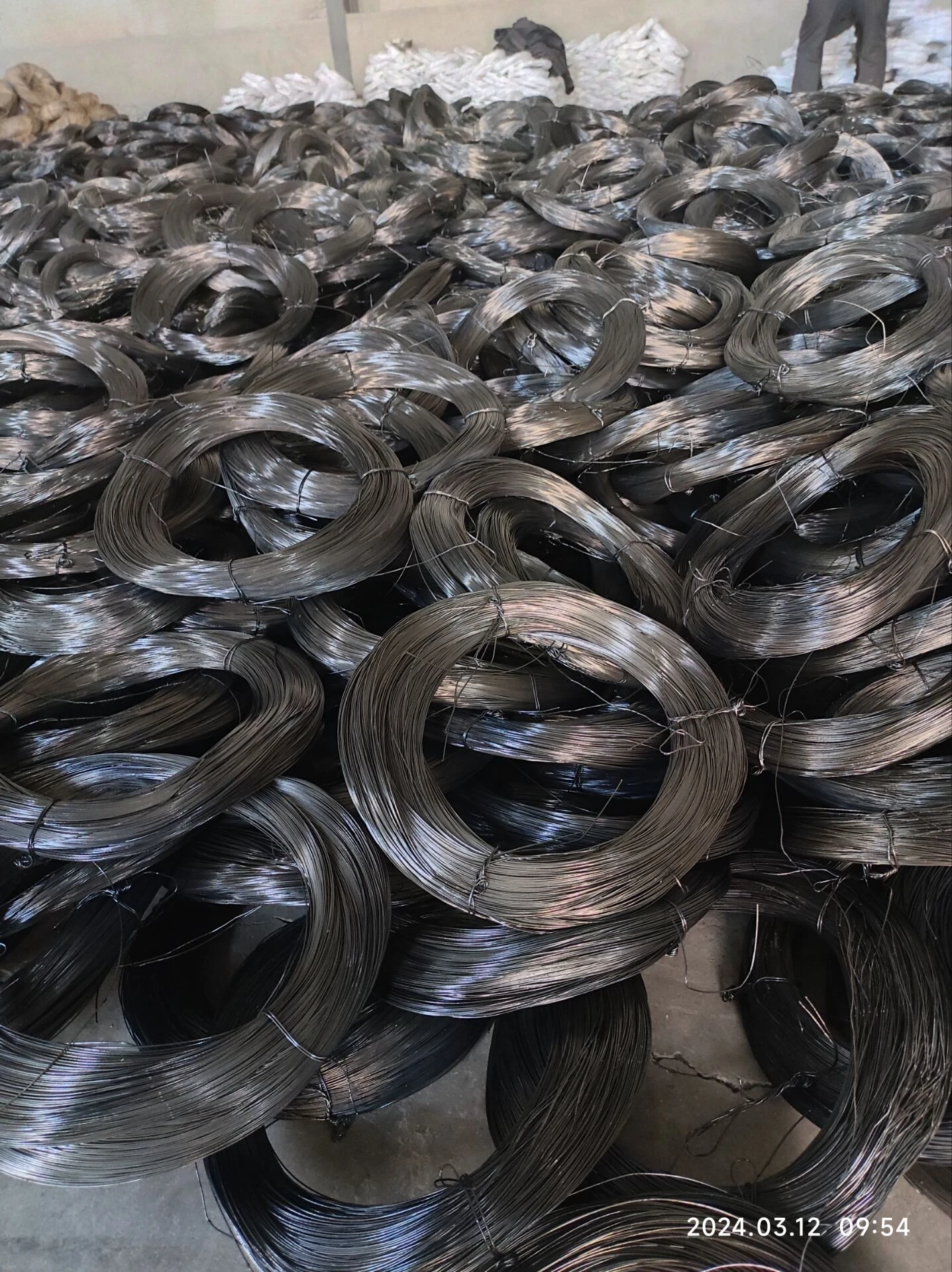
The fundamental material for most “iron” nails is low-carbon steel, typically containing between 0.05% and 0.25% carbon. Higher carbon content increases hardness and tensile strength but reduces ductility, making the nail more brittle. The steel's microstructure consists primarily of ferrite and pearlite. Manufacturing begins with hot-rolled steel wire, which undergoes a cold heading process. This process involves forcing the wire through a die to form the nail head, increasing its strength through work hardening. Key parameters during cold heading include die geometry, heading speed, and lubrication (typically a phosphate coating or soap solution) to minimize friction and prevent galling. Subsequent processes include pointing – sharpening one end of the nail – and potentially coating. Common coatings include galvanization (zinc coating for corrosion resistance), phosphating (improving paint adhesion), and resin coatings (enhancing driveability). The chemical composition of the steel is critical, with trace elements like manganese, silicon, and phosphorus influencing properties such as weldability and toughness. Hydrogen embrittlement can occur during pickling (acid cleaning) of the steel wire if not carefully controlled, leading to reduced ductility and potential for cracking. Material selection considerations also include sourcing of the steel, ensuring compliance with relevant steel standards (e.g., ASTM A153 for galvanized steel wire).
Performance & Engineering
The performance of an iron nail is dictated by its ability to withstand applied loads without failure. This necessitates understanding force analysis, specifically shear stress and tensile stress. Shear stress is paramount when nails are subjected to lateral forces, such as those experienced in framing applications. Tensile stress becomes critical when nails are pulled directly out of the substrate. Nail withdrawal resistance is influenced by nail diameter, length, shank geometry (smooth vs. ring/spiral shank), and the wood species. Environmental resistance, particularly to corrosion, is a major concern. Iron, in the presence of moisture and oxygen, readily oxidizes, forming rust which weakens the nail and compromises its holding power. Galvanization provides a sacrificial layer of zinc that corrodes preferentially to the steel, protecting it from rust. Compliance requirements vary based on application. For structural applications, nails must meet specific load-bearing capacity standards established by building codes (e.g., ICC-ES evaluation reports). Finite element analysis (FEA) is often employed in engineering design to model nail performance under various loading scenarios, optimizing nail dimensions and materials for specific applications. Furthermore, the nail’s driveability – the force required to drive it into the substrate without bending or breaking – is an important performance characteristic impacted by nail geometry and material hardness.
Technical Specifications
| Nail Diameter (Gauge) | Nail Length (inches) | Shear Strength (PSI) | Tensile Strength (PSI) |
|---|---|---|---|
| 6d (0.113") | 2.0 | 600 | 450 |
| 8d (0.131") | 2.5 | 800 | 600 |
| 10d (0.148") | 3.0 | 1000 | 750 |
| 12d (0.162") | 3.5 | 1200 | 900 |
| 16d (0.196") | 4.0 | 1600 | 1200 |
| 20d (0.230") | 5.0 | 2000 | 1500 |
Failure Mode & Maintenance
Iron nails are susceptible to several failure modes. Fatigue cracking can occur under cyclic loading, especially in applications subject to vibrations. This initiates at stress concentrations, typically near the nail head or point. Delamination, particularly in wood, happens when the nail tears away the wood fibers instead of penetrating cleanly, reducing holding power. Corrosion, as previously mentioned, is a significant contributor to failure, weakening the nail shank and reducing its cross-sectional area. Oxidation forms a brittle surface layer. Hydrogen embrittlement, while typically an issue during manufacturing, can be exacerbated by exposure to acidic environments. Shear failure occurs when the nail is overloaded in shear, exceeding its shear strength. Bending failure results from excessive lateral force, causing the nail to buckle. Preventative maintenance is limited, as nails are typically inaccessible once installed. However, applying protective coatings to the nail head and exposed shank can slow down corrosion. Regular inspections of structures employing iron nails are crucial to identify signs of corrosion or failure. Galvanized nails offer superior corrosion resistance compared to uncoated iron nails and should be used in exterior applications or environments with high humidity. Proper nail selection for the specific application is the most effective form of "maintenance," minimizing the risk of premature failure.
Industry FAQ
Q: What is the difference between common nails and box nails, and which is better for general carpentry?
A: Common nails have a smooth shank, while box nails have a ridged or ringed shank. The ridged shank of a box nail provides greater holding power by increasing friction between the nail and the wood fibers. While common nails are cheaper, box nails are generally preferred for general carpentry, particularly where pull-out resistance is important.
Q: How does the gauge of a nail affect its holding power?
A: Nail gauge, which refers to the diameter of the nail, directly impacts its shear strength and tensile strength. A higher gauge number indicates a thicker nail with greater holding power. However, thicker nails are also more likely to split the wood, so selecting the appropriate gauge is a balance between strength and wood type.
Q: What is the purpose of galvanization, and how effective is it in preventing corrosion?
A: Galvanization is the process of coating iron nails with a layer of zinc. Zinc corrodes preferentially to iron, providing a sacrificial barrier against rust. It's highly effective in slowing corrosion, especially in outdoor applications. The thickness of the zinc coating determines the level of protection; heavier coatings provide longer-lasting corrosion resistance.
Q: Are there any specific nail types recommended for pressure-treated lumber?
A: Yes. Pressure-treated lumber contains chemicals that are highly corrosive to standard iron nails. It’s essential to use nails specifically designed for pressure-treated lumber, typically stainless steel or hot-dip galvanized nails with a thicker zinc coating. Using standard nails will lead to rapid corrosion and failure.
Q: How can I determine the correct nail length for a specific application?
A: A general rule of thumb is that the nail length should be approximately three times the thickness of the material being fastened. However, this can vary depending on the wood species and the desired holding power. Consult building codes and engineering guidelines for specific recommendations.
Conclusion
Iron nails, despite their apparent simplicity, are engineered fasteners governed by principles of metallurgy, material science, and structural mechanics. Their performance is dictated by material composition, manufacturing processes, and environmental factors. Selecting the appropriate nail for the specific application, considering factors like shear stress, tensile stress, corrosion resistance, and compliance requirements, is paramount to ensuring structural integrity and long-term durability. Understanding the potential failure modes and implementing preventative measures, such as using galvanized nails in corrosive environments, are crucial for maximizing service life.
The continued development of nail coatings and materials, coupled with advanced analysis techniques like FEA, will further optimize nail performance and expand their application in diverse industries. Focusing on sustainable sourcing of steel and minimizing environmental impact throughout the manufacturing process will also be increasingly important. Proper nail selection and understanding of their limitations remain essential for safe and reliable construction and manufacturing practices.