



Introduction
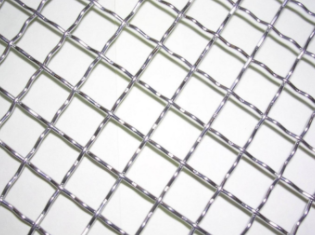
Chicken wire 25mm, also known as poultry netting or hexagonal wire netting, is a versatile woven wire mesh commonly used in agricultural, industrial, and domestic applications. Characterized by its open, hexagonal pattern with 25mm (approximately 1 inch) openings, it serves as a cost-effective barrier and containment solution. Within the industrial chain, it represents a foundational element in construction, animal husbandry, security fencing, and protective enclosure systems. Its core performance lies in providing robust, yet lightweight, confinement, offering ventilation while preventing access or escape. This guide details the material science, manufacturing processes, performance characteristics, failure modes, and relevant industry standards pertaining to 25mm chicken wire.
Material Science & Manufacturing
The primary raw material for 25mm chicken wire is low carbon steel wire, typically ranging in gauge from BWG23 to BWG16 (approximately 0.65mm to 1.27mm in diameter). The steel composition generally consists of iron with a minimal carbon content (0.05-0.25%), along with manganese, phosphorus, and sulfur as incidental elements. Galvanization, either hot-dip or electro-galvanization, is the standard protective coating applied to enhance corrosion resistance. Hot-dip galvanization involves immersing the woven wire in molten zinc, creating a metallurgical bond and a thicker, more durable coating. Electro-galvanization utilizes an electrolytic process to deposit a thinner, yet uniform, zinc layer. The manufacturing process begins with wire drawing, reducing the steel rod to the desired wire gauge. The drawn wire is then fed into a specialized weaving machine. This machine interlocks adjacent wires, forming a hexagonal pattern. Critical parameters during weaving include wire tension, feed rate, and die alignment. Proper tension ensures consistent aperture size and structural integrity. Feed rate dictates production speed, while precise die alignment guarantees the hexagonal pattern's uniformity. Subsequent quality control measures include aperture size verification, coating thickness inspection, and visual assessment for defects such as broken wires or uneven weaves. Post-weaving processes may include edge treatments like twisting, knuckling, or barbed edges, depending on the intended application. The selection of zinc coating thickness directly correlates with the anticipated environmental exposure and desired lifespan of the chicken wire.
Performance & Engineering
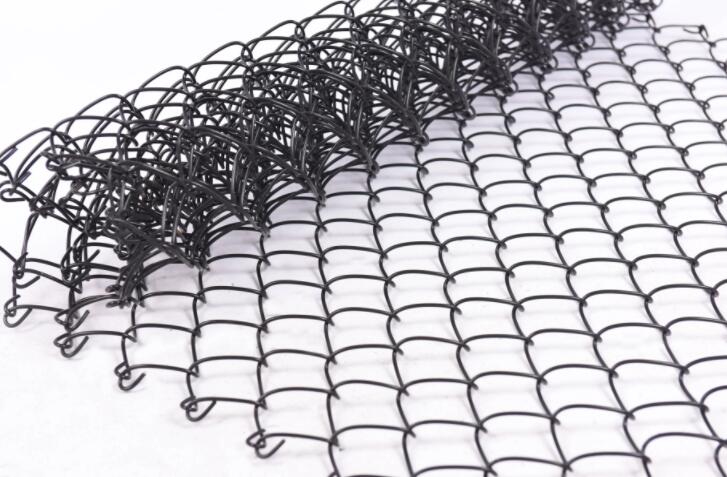
The performance of 25mm chicken wire is dictated by its tensile strength, elongation, yield strength, and corrosion resistance. Tensile strength, measured in MPa, represents the maximum stress the wire can withstand before breaking. Elongation, expressed as a percentage, indicates the wire's ductility and ability to deform before fracture. Yield strength defines the point at which permanent deformation occurs. Engineering analysis focuses on determining the appropriate wire gauge and mesh configuration to withstand anticipated loads, such as wind pressure, animal impact, or accidental collision. In applications involving animal containment, the mesh must resist tearing and bending under the force of livestock. For security fencing, the wire gauge and weave density are optimized to deter cutting or climbing. Environmental resistance is primarily dependent on the galvanization coating. Zinc provides sacrificial protection, corroding preferentially to the steel substrate. The rate of zinc corrosion is influenced by factors such as humidity, salinity, and atmospheric pollutants. Compliance requirements vary depending on the application and geographic location. Agricultural fencing often adheres to standards related to animal welfare and containment effectiveness. Security fencing must meet specifications related to intrusion resistance and perimeter protection. Furthermore, the wire's resistance to UV degradation must be considered, particularly in outdoor applications. UV exposure can accelerate the corrosion process and reduce the coating's protective capacity. The hexagonal weave pattern provides inherent flexibility, allowing the mesh to conform to irregular surfaces and absorb impacts. However, this flexibility also means it’s susceptible to deformation under sustained pressure.
Technical Specifications
| Parameter | Unit | Typical Value (BWG19 Galvanized) | Tolerance |
|---|---|---|---|
| Wire Gauge | BWG | 19 | ±1 BWG |
| Aperture Size | mm | 25 | ±1 mm |
| Zinc Coating Thickness | μm | 60 | ±10 μm |
| Tensile Strength | MPa | 380-480 | ±20 MPa |
| Elongation | % | 10-15 | ±2% |
| Roll Width | m | 0.914 (3 ft) / 1.22 (4 ft) | ±0.02 m |
Failure Mode & Maintenance
Common failure modes for 25mm chicken wire include corrosion, mechanical damage (tearing, cutting, bending), and fatigue cracking. Corrosion is the most prevalent failure mechanism, particularly in harsh environments. Breakdown of the zinc coating exposes the steel to oxidation, leading to rust and eventual loss of structural integrity. Mechanical damage can occur during installation, handling, or from external impacts. Sharp objects or deliberate cutting can compromise the mesh's barrier function. Fatigue cracking develops over time due to repeated stress cycles, especially in areas where the wire is bent or subjected to vibration. Delamination of the zinc coating, a form of coating failure, can occur due to insufficient adhesion or exposure to extreme temperatures. Maintenance practices to mitigate these failures include regular inspection for corrosion, prompt repair of damaged sections, and periodic re-galvanization or coating application. For minor corrosion, wire brushing and application of a zinc-rich paint can provide temporary protection. Severely corroded sections should be replaced entirely. Proper installation techniques, avoiding excessive tension or sharp bends, can minimize stress and prolong the mesh's lifespan. Regular cleaning to remove dirt, debris, and corrosive substances can also enhance its durability. In coastal areas or industrial environments, more frequent inspections and preventative maintenance are recommended. The lifespan of chicken wire is highly dependent on the severity of the environmental conditions and the quality of the galvanization process.
Industry FAQ
Q: What is the difference between hot-dip galvanization and electro-galvanization for chicken wire, and which is preferred for long-term outdoor use?
A: Hot-dip galvanization provides a thicker, more robust zinc coating through a metallurgical bonding process, offering superior corrosion resistance. Electro-galvanization creates a thinner, more uniform coating via electrodeposition. For long-term outdoor use, hot-dip galvanization is strongly preferred due to its greater durability and extended service life, despite potentially higher initial cost.
Q: How does wire gauge affect the cost and strength of chicken wire?
A: Lower wire gauges (higher BWG numbers) represent thinner wire, resulting in lower material cost but reduced tensile strength and structural integrity. Conversely, higher wire gauges (lower BWG numbers) offer increased strength and durability but at a higher cost. The optimal gauge selection depends on the specific application and the anticipated load requirements.
Q: What are the limitations of chicken wire in security applications?
A: While chicken wire can provide a basic barrier, it is relatively easy to cut or climb compared to more robust security fencing options like chain-link or welded wire mesh. Its primary limitation is its vulnerability to determined intrusion attempts. It’s generally used as a deterrent rather than a foolproof security solution.
Q: Can chicken wire be used in direct contact with concrete? Will this cause corrosion?
A: Direct contact with wet concrete can accelerate corrosion due to the alkaline nature of concrete and the creation of a galvanic cell. It’s recommended to separate the chicken wire from concrete using a non-conductive barrier, such as plastic sheeting or a geotextile fabric, to minimize corrosion risk.
Q: What is the typical lifespan of galvanized chicken wire in a moderately corrosive environment (e.g., coastal area)?
A: In a moderately corrosive coastal environment, galvanized chicken wire typically has a lifespan of 5-10 years. However, this can vary significantly depending on the quality of the galvanization, the severity of the exposure, and the effectiveness of any maintenance practices. Regular inspections and preventative maintenance can extend its service life.
Conclusion
25mm chicken wire remains a cost-effective and versatile solution for a wide range of applications, from agricultural fencing to industrial enclosures. Understanding its material properties, manufacturing processes, and potential failure modes is crucial for selecting the appropriate wire gauge, coating type, and installation techniques to ensure optimal performance and longevity. The longevity of the mesh is fundamentally tied to the quality of the galvanization process and the level of environmental exposure.
Future advancements may focus on developing more durable and environmentally friendly coatings to enhance corrosion resistance and reduce the environmental impact of zinc production. Further research into alloy compositions could lead to stronger and more ductile wire materials, improving the mesh's resistance to mechanical damage. Optimized weaving techniques and automated quality control systems can also contribute to the production of more consistent and reliable chicken wire products.