



Introduction
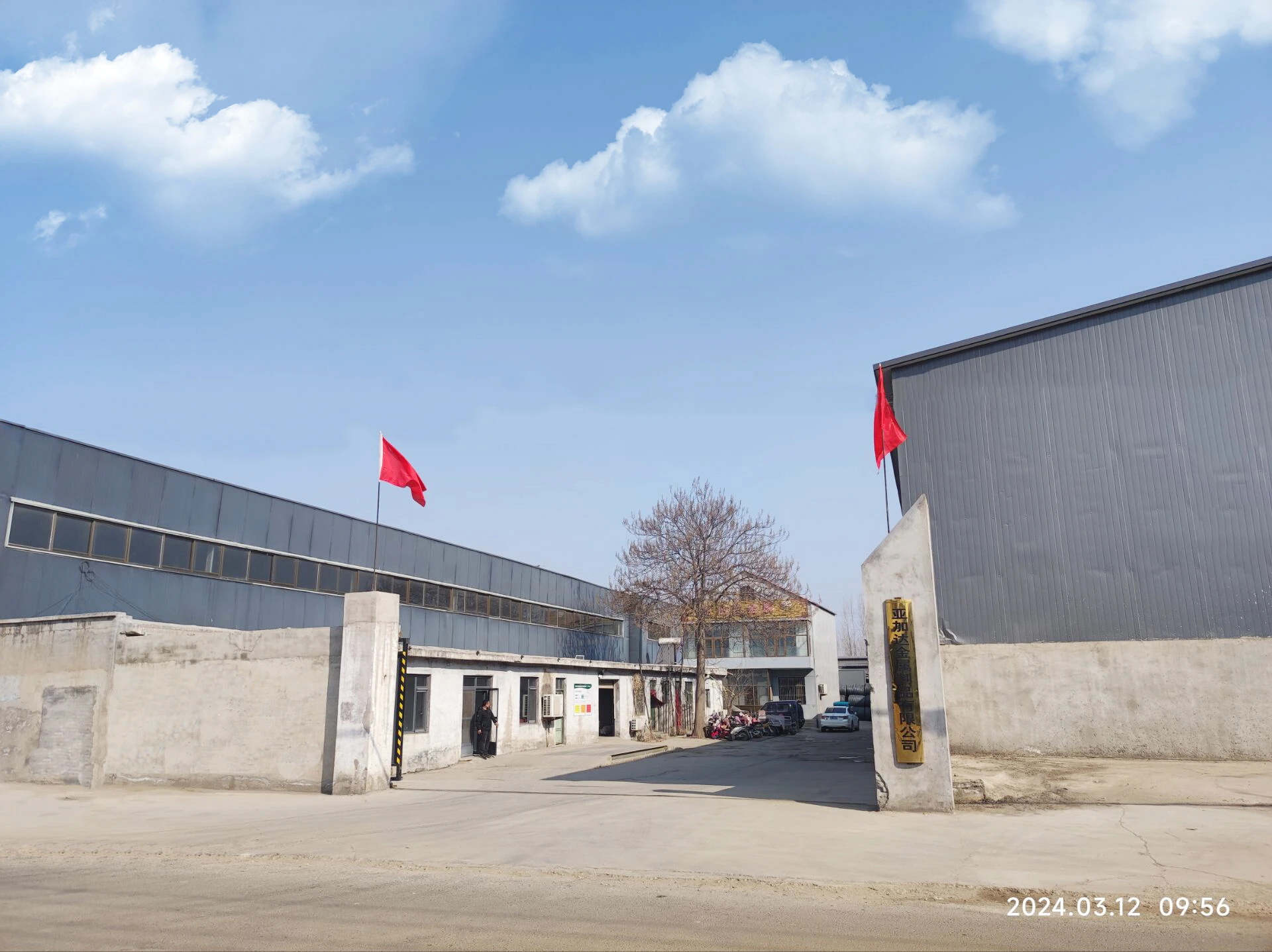
China galvanised wire is a carbon steel wire coated with a protective layer of zinc. This coating provides corrosion resistance, making it a critical component across diverse industries including construction, agriculture, telecommunications, and manufacturing. Its position within the industry chain lies as a foundational material – a semi-finished product refined from raw steel billets through wire drawing and subsequently coated. Core performance characteristics are defined by tensile strength, zinc coating thickness, ductility, and resistance to environmental degradation. The galvanisation process, typically hot-dip galvanising, substantially extends the service life of the steel wire in corrosive environments, offering a cost-effective alternative to stainless steel in many applications. The increasing demand for galvanised wire is driven by infrastructure development in emerging economies and the need for durable, low-maintenance materials in various industrial sectors. A primary pain point within the industry concerns consistency of zinc coating, particularly in achieving uniform thickness and adhesion, which directly impacts corrosion protection performance. Ensuring compliance with international standards and mitigating the risk of hydrogen embrittlement during galvanisation are also major concerns.
Material Science & Manufacturing
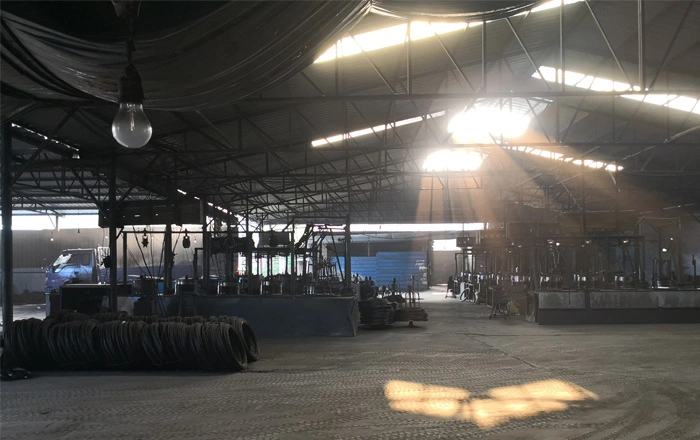
The primary raw material is carbon steel, typically ranging from low-carbon steel (e.g., SAE 1008) to medium-carbon steel (e.g., SAE 1018), chosen for its ductility and formability. The steel’s chemical composition directly influences its mechanical properties and weldability. The zinc used for galvanisation is typically of high purity (99.995% Zn) to minimize impurities affecting coating quality. Manufacturing begins with hot rolling of steel billets into wire rod. This is followed by pickling with hydrochloric acid to remove mill scale. Wire drawing, often employing multiple dies with progressively smaller diameters, reduces the wire to the desired gauge. Crucially, lubrication during wire drawing is essential to prevent die wear and maintain surface finish. The galvanisation process most commonly utilized is hot-dip galvanising, where the wire is immersed in a molten zinc bath (typically 450-460°C). Key parameters during hot-dip galvanising include bath temperature, immersion time, steel wire surface preparation (fluxing), and the cooling rate post-immersion. Zinc-iron alloy layers form during the reaction, providing a metallurgical bond between the steel substrate and the zinc coating. Alternative methods include electro-galvanising and zinc spraying, each offering different coating characteristics and cost profiles. Post-galvanisation treatments like passivation further enhance corrosion resistance and surface finish.
Performance & Engineering
The performance of china galvanised wire is dictated by its mechanical strength and corrosion resistance. Tensile strength, measured in MPa, is critical for applications involving load-bearing or structural support. Ductility, expressed as elongation percentage, determines the wire's ability to deform without fracturing. The zinc coating provides cathodic protection; zinc corrodes preferentially, protecting the underlying steel. The rate of zinc corrosion is influenced by environmental factors, including humidity, salinity, and temperature. Engineering considerations include calculating the required wire diameter based on anticipated loads, applying appropriate safety factors, and selecting a zinc coating thickness adequate for the intended service environment. Galvanised wire is commonly used in suspension cables, fencing, stay wires, and binding applications. In suspension cables, fatigue resistance is a primary concern, requiring careful material selection and consideration of stress concentration points. For fencing, the wire's tensile strength and resistance to stretching are paramount. Compliance with relevant standards (see Section 7) is essential to ensure product safety and performance. Failure analysis often focuses on identifying the root cause of corrosion, whether it be coating defects, mechanical damage, or exposure to highly corrosive environments.
Technical Specifications
| Wire Diameter (mm) | Tensile Strength (MPa) | Zinc Coating Thickness (µm) | Zinc Coating Weight (g/m²) |
|---|---|---|---|
| 1.6 | 350-450 | 40-60 | 80-120 |
| 2.0 | 400-550 | 50-70 | 100-140 |
| 2.5 | 450-600 | 60-80 | 120-160 |
| 3.0 | 500-650 | 70-90 | 140-180 |
| 4.0 | 550-700 | 80-100 | 160-200 |
| 5.0 | 600-750 | 90-110 | 180-220 |
Failure Mode & Maintenance
Common failure modes of china galvanised wire include uniform corrosion (gradual zinc depletion), localized corrosion (pitting, crevice corrosion), and mechanical failure (fatigue cracking, tensile overload). Hydrogen embrittlement, a significant concern, occurs when atomic hydrogen generated during the galvanisation process diffuses into the steel, reducing its ductility and increasing its susceptibility to cracking. Coating defects such as voids, inclusions, and thin spots accelerate corrosion. Mechanical damage (abrasion, impact) can compromise the zinc coating, exposing the underlying steel. Failure analysis typically involves microscopic examination of the fracture surface to identify the failure mechanism. Maintenance involves regular inspection for corrosion, damage, and signs of stress. Damaged areas should be repaired with zinc-rich paint or re-galvanised. Preventive measures include applying protective coatings to the wire, avoiding harsh chemicals, and ensuring proper storage to minimize exposure to moisture and corrosive environments. For applications prone to fatigue, regular stress relief treatments can extend service life. In aggressive environments, supplemental corrosion protection methods, such as applying a sealant or utilizing a duplex coating system (e.g., galvanising followed by powder coating), are recommended.
Industry FAQ
Q: What are the key differences between hot-dip galvanising and electro-galvanising in terms of corrosion protection?
A: Hot-dip galvanising provides a thicker, more robust zinc coating with a metallurgical bond to the steel substrate, offering superior long-term corrosion protection, particularly in harsh environments. Electro-galvanising produces a thinner, more uniform coating, suitable for applications where cosmetic appearance is critical, but offers less corrosion resistance. The alloy layers formed during hot-dip galvanising contribute to enhanced protection.
Q: How does the carbon content of the steel wire affect its galvanisability?
A: Higher carbon content generally reduces galvanisability, increasing the risk of hydrogen embrittlement and resulting in a less adherent zinc coating. Low-carbon steels are preferred for galvanising due to their superior ductility and lower susceptibility to hydrogen pickup.
Q: What is the significance of the zinc coating weight (g/m²) specification?
A: The zinc coating weight directly correlates with the level of corrosion protection. A higher coating weight provides a thicker zinc barrier, extending the service life of the wire in corrosive environments. It's a crucial parameter for determining the wire's suitability for specific applications.
Q: What steps are taken to mitigate the risk of hydrogen embrittlement during hot-dip galvanising?
A: Mitigation strategies include using high-purity zinc, controlling the bath temperature and composition, employing appropriate pre-treatment processes (pickling, fluxing), and utilizing post-galvanisation treatments such as baking to drive off absorbed hydrogen. Steel grade selection is also critical.
Q: How do environmental regulations impact the galvanising process?
A: Environmental regulations focus on controlling emissions from the galvanising process, managing wastewater discharge, and ensuring proper disposal of by-products. Regulations related to zinc fumes and lead content (in some galvanising baths) are particularly stringent, necessitating investment in pollution control technologies.
Conclusion
China galvanised wire remains a vital material in numerous industries due to its cost-effectiveness and robust corrosion protection. Understanding the interplay between material science, manufacturing processes, and performance characteristics is paramount for ensuring product quality and longevity. Achieving consistent zinc coating thickness and adhesion, mitigating hydrogen embrittlement, and adhering to stringent international standards are key challenges for manufacturers.
Future trends will likely focus on developing more environmentally friendly galvanising processes, exploring alternative coating materials, and improving quality control methods through advanced monitoring technologies. Furthermore, the development of high-strength, low-alloy (HSLA) steel wires with enhanced galvanisability will contribute to improved performance and extended service life in demanding applications. Continued research and development are crucial for advancing the capabilities of china galvanised wire to meet evolving industry needs.