



Introduction
China iron wire nails represent a foundational fastening element across a diverse range of construction, packaging, and industrial applications. Positioned as a cost-effective alternative to steel or aluminum nails, they occupy a significant segment of the global fastener market, particularly within developing economies. These nails are typically manufactured from low-carbon steel wire, characterized by its ductility and formability. Core performance attributes include shear strength, tensile strength, and resistance to bending – factors directly influencing their holding power in various substrates. Understanding the manufacturing processes, material properties, and potential failure modes of these nails is critical for ensuring structural integrity and optimizing their application within demanding environments. This guide provides an in-depth analysis of China iron wire nails, covering material science, manufacturing, performance engineering, failure analysis, and relevant industry standards.
Material Science & Manufacturing
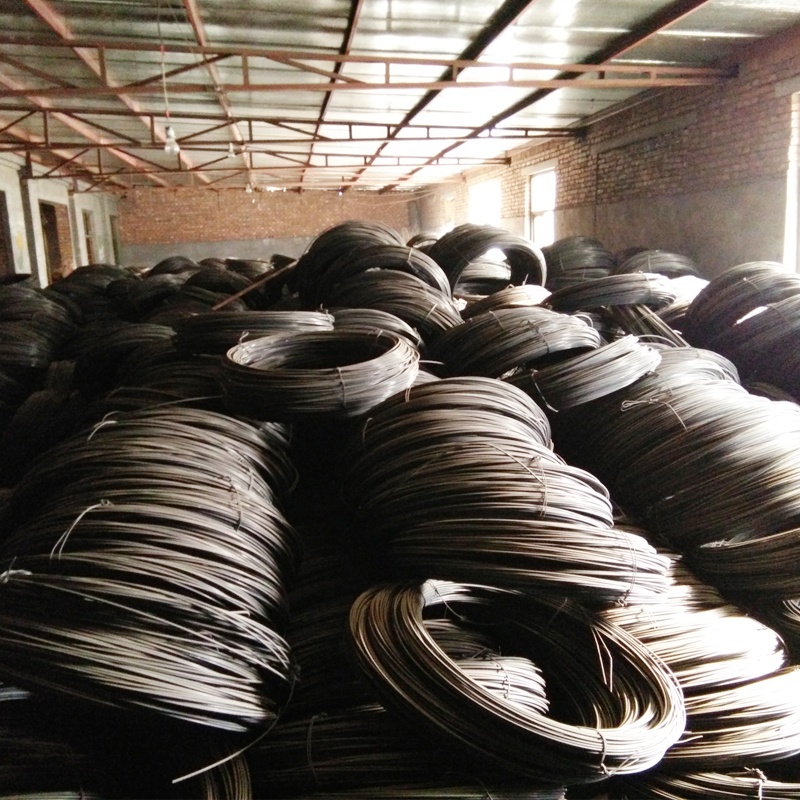
The primary raw material for China iron wire nails is low-carbon steel, typically SAE 1008 or similar grades, containing approximately 0.08% carbon. The selection of low-carbon steel is predicated on its balance of ductility, weldability, and cost-effectiveness. Other alloying elements present in trace amounts may include manganese, phosphorus, and sulfur, impacting the steel's mechanical properties. Manufacturing commences with wire drawing, a process where steel rods are pulled through a series of dies to achieve the desired wire diameter. This process work-hardens the wire, increasing its tensile strength but reducing its ductility. Annealing, a heat treatment process, is subsequently employed to restore ductility and relieve internal stresses introduced during wire drawing. The nails are then formed via a nail-making machine, which typically utilizes a heading process. In this process, the wire is fed into the machine, cut to length, and then subjected to a compressive force that forms the nail head. Critical parameters during heading include die angle, feed rate, and impact force. Precise control of these parameters is crucial to ensure consistent head dimensions and prevent defects such as incomplete head formation or splitting. Surface treatments, such as galvanization (zinc coating) or phosphating, are commonly applied to enhance corrosion resistance. Galvanization, whether electrogalvanized or hot-dip galvanized, provides a sacrificial barrier against corrosion. Phosphating creates a conversion coating that improves paint adhesion and provides a degree of corrosion protection. Quality control throughout the manufacturing process involves dimensional checks, hardness testing, and periodic chemical analysis to ensure adherence to specified standards.
Performance & Engineering
The performance of China iron wire nails is primarily governed by their shear strength and tensile strength, which dictate their load-bearing capacity within a substrate. Shear strength is particularly important in resisting lateral forces, while tensile strength determines resistance to pull-out. Force analysis reveals that the holding power of a nail is a function of nail diameter, length, shank design (smooth or ring shank), and the properties of the substrate material (wood density, concrete compressive strength, etc.). Environmental resistance is a critical consideration, particularly in outdoor applications or corrosive environments. Iron is susceptible to oxidation (rusting), leading to a reduction in nail strength and potential structural failure. Galvanization, as previously mentioned, provides a barrier against corrosion, but the zinc coating itself can be consumed over time, especially in environments with high chloride concentrations. Compliance requirements vary depending on the application and geographic region. For example, nails used in structural applications may need to meet specific load-bearing requirements outlined in building codes. Nails intended for use in food packaging must comply with regulations regarding material composition and potential leaching of harmful substances. Ring shank nails, featuring helical rings along the shank, provide significantly enhanced withdrawal resistance compared to smooth shank nails due to increased friction between the nail and the substrate. The geometry of the nail point also influences performance; a diamond point offers improved penetration into hard materials, while a blunt point is more suitable for softer materials. Furthermore, nail spacing and edge distance are crucial engineering considerations to prevent splitting of the substrate material and ensure adequate load distribution.
Technical Specifications
| Parameter | Units | Typical Value (Common Grade) | Testing Standard |
|---|---|---|---|
| Wire Diameter | mm | 1.27 - 3.30 | GB/T 1189 |
| Nail Length | mm | 25 - 100 | GB/T 1189 |
| Tensile Strength | MPa | 300 - 500 | GB/T 239 |
| Shear Strength | MPa | 200 - 400 | GB/T 239 |
| Zinc Coating Thickness (Galvanized) | µm | 5 - 20 | ASTM B693 |
| Head Diameter | mm | 6 - 12 | GB/T 1189 |
Failure Mode & Maintenance
China iron wire nails are susceptible to several failure modes in practical applications. Fatigue cracking, induced by repeated loading and unloading, can lead to nail fracture, particularly in applications involving vibration or impact. Delamination of the zinc coating, accelerated by corrosion in harsh environments, reduces the nail's protective barrier and initiates rusting. Hydrogen embrittlement, a phenomenon where hydrogen atoms diffuse into the steel lattice, can reduce ductility and increase the risk of brittle fracture, especially in electrogalvanized nails. Oxidation (rusting) weakens the nail material over time, decreasing its load-bearing capacity. Bending failure occurs when the nail is subjected to excessive lateral forces exceeding its bending strength. Withdrawal failure, common in smooth shank nails, results from the nail being pulled out of the substrate due to insufficient holding power. Maintenance is typically limited to preventative measures. Regularly inspecting structures for signs of corrosion or nail withdrawal is crucial. Applying protective coatings to exposed nail heads can slow down the corrosion process. For critical applications, periodic replacement of nails may be necessary to ensure continued structural integrity. Proper substrate preparation, including ensuring appropriate wood moisture content and avoiding the use of chemically treated wood that can accelerate corrosion, also contributes to extending nail lifespan. In cases where nails exhibit signs of significant corrosion or fatigue, immediate replacement is recommended to prevent potential structural failure.
Industry FAQ
Q: What is the difference between electrogalvanized and hot-dip galvanized nails, and which is more suitable for exterior applications?
A: Electrogalvanization provides a thinner, more uniform coating, typically offering less corrosion resistance than hot-dip galvanization. Hot-dip galvanization results in a thicker coating with superior corrosion protection, making it the preferred choice for exterior applications or environments exposed to moisture and corrosive elements. However, hot-dip galvanization can sometimes result in a less aesthetically pleasing finish.
Q: How does nail shank design (smooth vs. ring shank) impact holding power?
A: Ring shank nails provide significantly higher withdrawal resistance than smooth shank nails. The helical rings along the shank increase friction between the nail and the substrate, requiring a greater force to pull the nail out. Smooth shank nails are generally more suitable for applications where withdrawal resistance is not a primary concern.
Q: What is the effect of wood moisture content on the holding power of iron wire nails?
A: High wood moisture content can reduce the holding power of nails. As wood dries, it shrinks, which can loosen the nail's grip. Furthermore, moisture promotes corrosion of the nail, weakening it over time. It is generally recommended to use nails in wood with a moisture content of 12-18%.
Q: Are there specific standards governing the use of iron wire nails in structural applications?
A: Yes, various building codes and standards, such as those published by the International Code Council (ICC) or local building authorities, specify requirements for nail size, type, and spacing in structural applications. Compliance with these standards is essential to ensure the safety and integrity of the structure.
Q: How can I mitigate the risk of hydrogen embrittlement in electrogalvanized nails?
A: Hydrogen embrittlement can be minimized by using low-strength, high-ductility steel wire, controlling the electrogalvanizing process parameters to reduce hydrogen absorption, and applying a post-treatment such as baking to drive out residual hydrogen. Selecting hot-dip galvanized nails also avoids this risk.
Conclusion
China iron wire nails represent a versatile and cost-effective fastening solution, widely utilized across numerous industries. Their performance is intrinsically linked to the properties of the low-carbon steel utilized in their construction, coupled with the efficacy of manufacturing processes like wire drawing, heading, and surface treatment. Understanding the intricacies of shear and tensile strengths, corrosion resistance, and compliance requirements is pivotal for selecting the appropriate nail for a given application.
Furthermore, recognizing potential failure modes – encompassing fatigue cracking, oxidation, and withdrawal – is paramount for ensuring long-term structural integrity. Proactive maintenance strategies, including regular inspection and protective coatings, can extend service life. Ultimately, a thorough comprehension of these technical aspects empowers informed decision-making, leading to optimized performance and reliable fastening solutions.