



Introduction
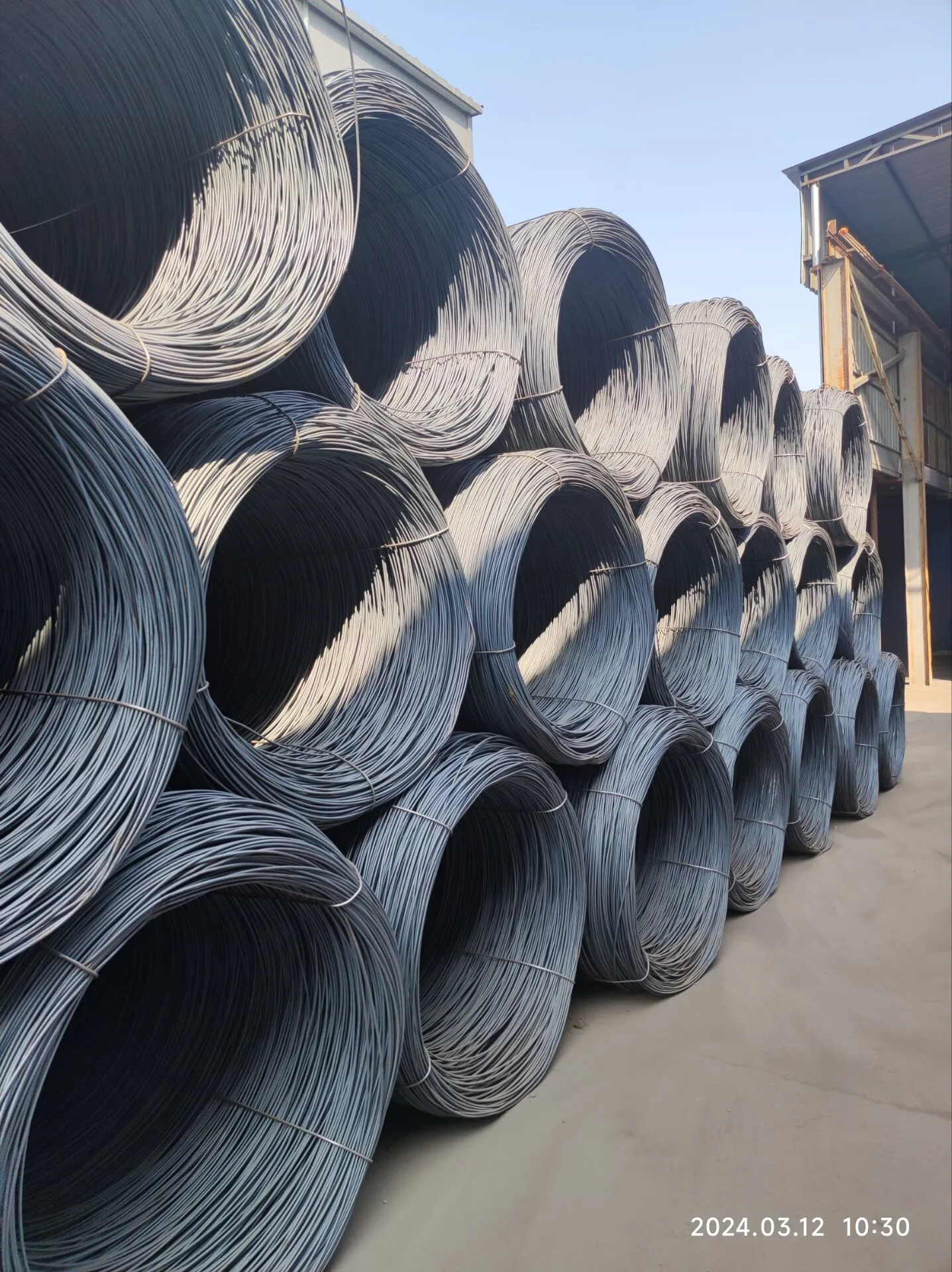
Coated galvanized wire represents a critical component in a wide array of industrial and commercial applications, primarily functioning as a robust and corrosion-resistant binding, fastening, and structural support element. The process involves applying a protective metallic coating – typically zinc – to a steel wire through galvanization, followed by an additional polymeric or metallic coating for enhanced protection and specialized properties. Its technical position within the broader materials chain situates it as a value-added product stemming from steel manufacturing, offering a cost-effective alternative to stainless steel in many instances. Core performance characteristics center around tensile strength, corrosion resistance (determined by coating thickness and composition), flexibility, and adhesion of the applied coatings. A significant industry pain point revolves around maintaining consistent coating quality, ensuring long-term durability in diverse environmental conditions, and adhering to increasingly stringent environmental regulations concerning zinc usage and coating materials.
Material Science & Manufacturing
The fundamental material is typically high-carbon steel wire (e.g., SAE 1008, 1010) selected for its balance of strength and ductility. The galvanization process, most commonly hot-dip galvanizing, relies on the metallurgical interaction between the molten zinc and the steel substrate, forming a series of zinc-iron alloy layers. The resulting alloy layers offer sacrificial corrosion protection – the zinc corrodes preferentially to the steel. Following galvanization, additional coatings such as PVC, polypropylene, polyethylene, or epoxy are applied via extrusion, spraying, or powder coating. These coatings provide further chemical resistance, UV protection, and color-coding capabilities. Key manufacturing parameters include wire drawing speed, annealing temperature (for ductility), zinc bath temperature and composition (affecting coating thickness and uniformity), and coating application rate and curing conditions. Chemical compatibility is paramount. The galvanizing process requires careful control of surface preparation, typically involving acid pickling and fluxing, to ensure adequate adhesion. The subsequent coating must be chemically compatible with the zinc layer to prevent delamination. Material properties like zinc purity (99.99% minimum for optimal corrosion protection) and polymer resin molecular weight directly impact performance.
Performance & Engineering
Performance assessment of coated galvanized wire necessitates consideration of mechanical and environmental stressors. Tensile strength, yield strength, and elongation are critical mechanical properties, dictated by the steel core’s composition and processing. Corrosion resistance is evaluated through salt spray testing (ASTM B117), immersion testing, and electrochemical impedance spectroscopy (EIS). These tests determine the time to corrosion initiation and propagation rates under various conditions. Environmental resistance encompasses UV stability (ASTM G154), resistance to chemical exposure (acids, alkalis, solvents), and temperature cycling effects. Engineering considerations include load bearing capacity, fatigue life (particularly important in applications involving repeated bending or tension), and the impact of coating thickness on corrosion protection. Force analysis dictates wire gauge selection based on anticipated loads and safety factors. Compliance requirements, such as RoHS (Restriction of Hazardous Substances) and REACH (Registration, Evaluation, Authorisation and Restriction of Chemicals), dictate limitations on the use of certain materials in the coating formulations. Adhesion testing (ASTM D4541) confirms the bond strength between the coating and the galvanized substrate, predicting long-term durability. The type of coating selected (PVC, PE, etc.) drastically impacts the wire’s flexibility and its ability to withstand repeated bending without cracking.
Technical Specifications
| Parameter | Unit | Typical Value (Galvanized & PVC Coated) | Test Method |
|---|---|---|---|
| Tensile Strength | MPa | 380-550 | ASTM A371 |
| Zinc Coating Thickness | µm | 45-60 | ASTM B61 |
| PVC Coating Thickness | µm | 0.5-1.5 | ASTM D7081 |
| Elongation at Break | % | 10-20 | ASTM A371 |
| Salt Spray Resistance | Hours to Red Rust | >500 | ASTM B117 |
| Operating Temperature Range | °C | -20 to +80 | Manufacturer Specification |
Failure Mode & Maintenance
Failure modes in coated galvanized wire are multifaceted. Corrosion is a primary concern, manifesting as red rust formation, typically originating at coating defects or damaged areas. Hydrogen embrittlement, a consequence of the galvanizing process, can reduce ductility and promote cracking under tensile stress. Coating delamination, caused by inadequate adhesion or chemical incompatibility, compromises corrosion protection. UV degradation of polymeric coatings leads to brittleness and cracking, particularly in outdoor applications. Mechanical fatigue, resulting from repeated bending or flexing, can cause wire fracture. Failure analysis frequently identifies the root cause as a combination of environmental factors and mechanical stress. Maintenance strategies focus on preventative measures. Regular inspection for coating damage is crucial, followed by localized repair using compatible coatings. Avoiding exposure to harsh chemicals and abrasive environments extends service life. For critical applications, periodic testing of coating thickness and adhesion is recommended. Proper storage – protected from moisture and direct sunlight – minimizes pre-installation degradation. In environments prone to severe corrosion, consideration should be given to upgrading to thicker coatings or alternative materials like stainless steel.
Industry FAQ
Q: What is the significance of the zinc coating thickness, and how does it relate to corrosion protection?
A: The zinc coating thickness is directly proportional to the level of corrosion protection provided. A thicker coating offers greater sacrificial protection, meaning it takes longer for the zinc to corrode completely, protecting the steel substrate. Minimum coating thicknesses are specified in standards like ASTM B61 to ensure adequate performance in different environments. However, excessive thickness can lead to issues like white rust (zinc oxide formation) and increased cost.
Q: How does the choice of polymer coating (PVC, PE, etc.) impact the wire's performance?
A: The polymer coating selection dictates several key performance attributes. PVC offers good abrasion resistance and chemical resistance, but is less flexible than polyethylene (PE). PE provides superior flexibility and low-temperature performance, but is more susceptible to UV degradation. Polypropylene offers a good balance of properties. Epoxy coatings provide excellent adhesion and corrosion resistance but are generally more expensive.
Q: What is hydrogen embrittlement, and how can it be mitigated?
A: Hydrogen embrittlement occurs during the hot-dip galvanizing process when atomic hydrogen diffuses into the steel, reducing its ductility and increasing its susceptibility to cracking under stress. Mitigation strategies include using a low-hydrogen pickling process, employing a post-galvanizing baking treatment to drive out the hydrogen, and selecting steel grades with lower hydrogen permeability.
Q: What are the key differences between Class 1, Class 2, and Class 3 galvanized coatings as defined by ASTM B61?
A: These classifications refer to the minimum zinc coating weight (mass per unit area). Class 1 provides the lowest level of protection, suitable for relatively mild environments. Class 2 offers moderate protection, and Class 3 provides the highest level of protection, ideal for severe corrosive environments. The choice depends on the anticipated exposure conditions and the desired service life.
Q: How do I assess the adhesion of the polymer coating to the galvanized layer?
A: Adhesion can be assessed using several methods, including the pull-off test (ASTM D4541), the cross-cut tape test (ASTM D3359), and visual inspection for delamination or blistering. The pull-off test provides a quantitative measure of adhesion strength, while the tape test offers a quick qualitative assessment.
Conclusion
Coated galvanized wire remains a cornerstone material in numerous industries due to its compelling combination of strength, durability, and corrosion resistance. Understanding the intricacies of material science, manufacturing processes, and performance characteristics is paramount for selecting the appropriate wire specification for a given application. Optimization of the galvanizing process, coupled with careful selection of polymeric coatings, ensures long-term reliability and minimizes lifecycle costs.
Future development will likely focus on environmentally sustainable coating technologies, such as zinc-aluminum alloys and bio-based polymer coatings, alongside advancements in corrosion monitoring and predictive maintenance techniques. Continued adherence to international standards and rigorous quality control will be essential to maintaining the integrity and performance of coated galvanized wire in demanding industrial environments.