



Introduction
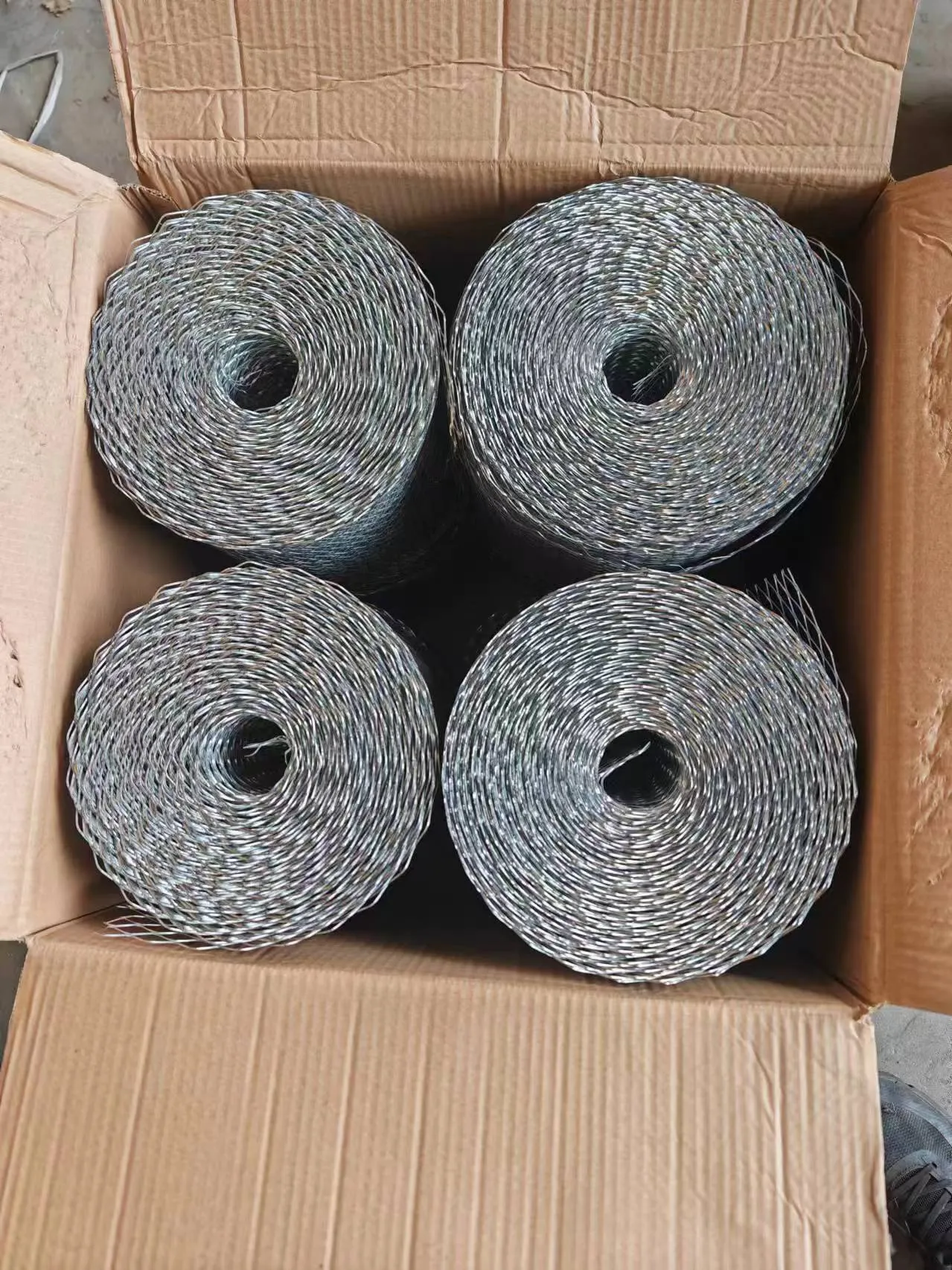
Coil nailer nails, also known as collated nails, represent a significant advancement in fastening technology within the construction and woodworking industries. These nails are presented in a connected strip, wound into a coil, allowing for rapid and continuous firing from pneumatic nailers. Their technical position lies in optimizing fastening speed and reducing labor costs compared to traditional nail application methods. Core performance characteristics revolve around consistent driving depth, minimal bending or breakage, corrosion resistance, and compatibility with specific nailer gauges. The industry faces persistent pain points related to nail quality inconsistencies leading to misfires, inadequate holding power in specific wood densities, and premature corrosion impacting structural integrity. This guide will provide a detailed technical examination of coil nailer nails, encompassing material science, manufacturing processes, performance parameters, failure analysis, and relevant industry standards.
Material Science & Manufacturing
Coil nailer nails are predominantly manufactured from carbon steel, specifically SAE 1008 or similar low-carbon alloys, offering a balance of ductility and tensile strength. The raw material undergoes a wire drawing process to achieve the desired nail diameter, followed by a heading operation to form the nail head. Nail shanks can be smooth, ring shanked, or screw shanked, each influencing holding power. Ring shanked nails exhibit enhanced withdrawal resistance due to the deformed rings creating friction within the wood. Screw shanked nails provide even greater holding power, especially in hardwoods, through a twisting action during insertion. Manufacturing involves precise control of the wire feed rate, heading pressure, and cooling cycles to ensure consistent head formation and shank geometry. Surface treatment is crucial for corrosion resistance, with common coatings including electrolytic galvanization, hot-dip galvanization, and phosphate coatings. Electrolytic galvanization provides a uniform, relatively thin zinc coating offering moderate protection. Hot-dip galvanization provides a thicker, more durable coating but can exhibit uneven coverage. Phosphate coatings act as a base for subsequent painting or powder coating, enhancing corrosion resistance and paint adhesion. The coil formation process requires careful tension control to prevent nail deformation and ensure smooth feeding through the nailer. Chemical compatibility of the coating with the wood being used is also a key consideration to avoid galvanic corrosion.
Performance & Engineering
The performance of coil nailer nails is fundamentally governed by principles of force analysis and material deformation. Upon impact, the kinetic energy of the nail is converted into plastic deformation of the nail shank and the surrounding wood fibers. Shank geometry plays a critical role; larger shank diameters offer greater shear strength, while shank features like rings or screws maximize withdrawal resistance. The nail’s angle of entry also impacts holding power – a slightly angled entry can increase resistance to pull-out. Environmental resistance is paramount. Exposure to moisture, particularly in outdoor applications, can lead to corrosion, weakening the nail and compromising structural integrity. Galvanic corrosion can occur when dissimilar metals are in contact in a humid environment. Compliance requirements, such as those stipulated by building codes, often dictate nail size, spacing, and penetration depth based on load-bearing requirements. The nailer’s operating pressure and the nail’s consistency are also critical engineering considerations. Consistent nail dimensions and hardness ensure reliable driving and minimize the risk of misfires or nail breakage. Fatigue performance is relevant in applications subject to cyclical loading; repeated stress can lead to micro-cracking and eventual failure. Correct nail collation and coil winding prevent jams and ensure consistent nail presentation to the driver blade.
Technical Specifications
| Nail Diameter (Gauge) | Nail Length (inches) | Shank Type | Coating Type |
|---|---|---|---|
| 0.099" (8 Gauge) | 2.5" - 3.5" | Smooth | Electrolytic Galvanization |
| 0.113" (7 Gauge) | 3" - 4" | Ring Shank | Hot-Dip Galvanization |
| 0.120" (6 Gauge) | 3.5" - 5" | Screw Shank | Phosphated & Painted |
| 0.131" (5 Gauge) | 4" - 6" | Ring Shank | Hot-Dip Galvanization |
| 0.148" (4 Gauge) | 5" - 7" | Screw Shank | Hot-Dip Galvanization |
| 0.162" (3 Gauge) | 6" - 8" | Ring Shank | Hot-Dip Galvanization |
Failure Mode & Maintenance
Common failure modes for coil nailer nails include bending during driving, head breakage, shank snapping, and corrosion-induced weakening. Bending typically results from insufficient nail hardness or obstructions within the wood. Head breakage can occur due to excessive driving force or defects in the heading process. Shank snapping indicates material brittleness or excessive stress concentration. Corrosion, particularly in untreated or poorly coated nails, leads to a gradual reduction in cross-sectional area, diminishing holding power and potentially causing complete failure. Fatigue cracking can occur in nails subjected to repeated loading, initiating at stress concentrators like the nail head or shank features. Preventative maintenance involves storing nails in a dry environment to prevent corrosion. Regular inspection of the nailer itself is crucial – a misaligned nail guide or worn driver blade can contribute to nail bending or breakage. Lubricating the nailer according to the manufacturer’s instructions ensures smooth operation and reduces stress on the nails. In applications exposed to harsh environments, using nails with thicker, more durable coatings (e.g., hot-dip galvanization) is essential. Periodic inspection of installed nails for signs of corrosion or loosening is recommended, especially in critical structural applications.
Industry FAQ
Q: What is the difference between ring shank and screw shank nails, and when should each be used?
A: Ring shank nails provide enhanced withdrawal resistance due to the deformed rings gripping the wood fibers. They are ideal for general framing and applications where moderate holding power is sufficient. Screw shank nails offer superior holding power, especially in hardwoods, as the twisting action creates a tight mechanical lock. They are recommended for applications requiring maximum resistance to pull-out, such as structural connections or decking.
Q: How does the coating type affect the longevity of coil nailer nails?
A: Coating type significantly impacts corrosion resistance. Electrolytic galvanization provides a basic level of protection, suitable for indoor use or in environments with limited moisture exposure. Hot-dip galvanization offers a much thicker and more durable coating, ideal for outdoor applications or corrosive environments. Phosphate coatings, when combined with paint or powder coating, provide an excellent barrier against corrosion.
Q: What is the significance of nail gauge, and how do I select the appropriate gauge for my application?
A: Nail gauge refers to the nail’s diameter. Lower gauge numbers indicate thicker nails. The appropriate gauge depends on the wood’s density and the load-bearing requirements. Thicker nails (lower gauge) provide greater shear strength and holding power but require more driving force. For softwoods, a higher gauge may suffice, while hardwoods require a lower gauge for adequate strength.
Q: What causes nail misfires in coil nailers, and how can they be prevented?
A: Nail misfires can be caused by several factors, including nailer malfunction, nail deformation, or obstructions in the nail track. Ensure the nailer is properly lubricated and maintained. Inspect the nails for bent or damaged shanks. Clear any debris from the nail track and magazine. Verify the nailer’s pressure setting is appropriate for the nail type and wood density.
Q: Are there specific building code requirements regarding the use of coil nailer nails in structural applications?
A: Yes, building codes typically specify nail size, spacing, and penetration depth based on the structural load requirements. Always consult local building codes and engineering specifications to ensure compliance. Using nails that meet the required standards is crucial for structural integrity and safety.
Conclusion
Coil nailer nails represent a critical fastening component in modern construction and woodworking. Their performance is a complex interplay of material properties, manufacturing precision, and engineering considerations. Understanding the impact of shank geometry, coating type, and nail gauge on holding power and corrosion resistance is essential for selecting the appropriate nail for a given application.
Continued advancements in coating technology and material science will likely lead to further improvements in nail durability and performance. Adherence to relevant industry standards and building codes remains paramount to ensure structural integrity and safety. Proper maintenance of both the nails and the nailer itself is crucial for maximizing efficiency and minimizing the risk of failure, thereby optimizing the lifecycle cost and reliability of the overall fastening system.