



Introduction
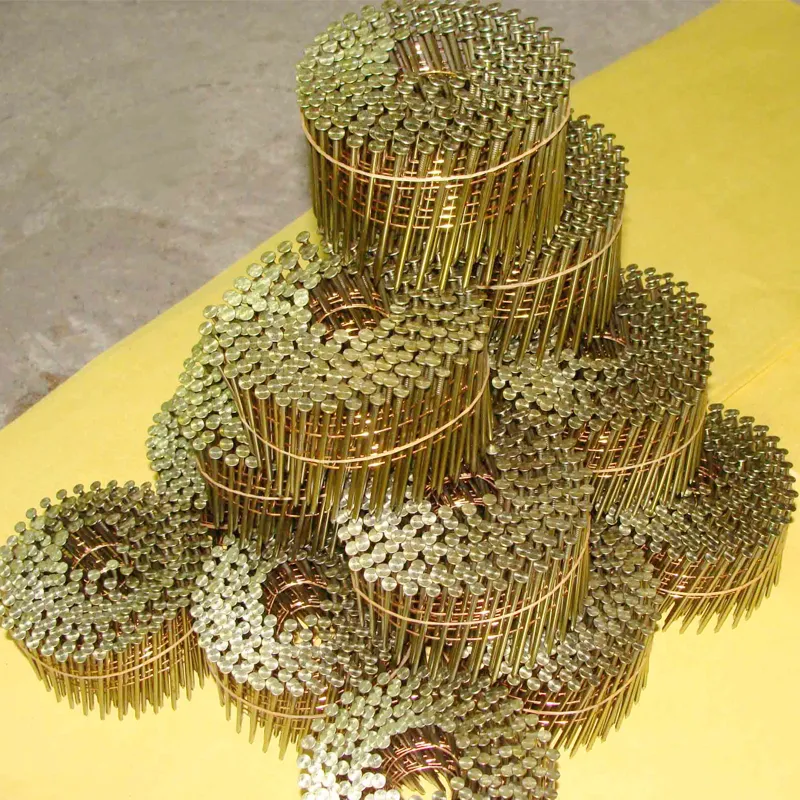
Coil nails for concrete are a fastening solution specifically engineered for securing materials into concrete substrates. Positioned within the construction fastening industry, they offer a high-speed alternative to traditional concrete fasteners like wedge anchors or sleeve anchors. These nails, typically constructed from hardened steel, are collated in coils for use with specialized pneumatic nail guns. Their core performance characteristics are defined by their tensile strength, shear strength, and penetration depth into the concrete matrix. Addressing a key industry pain point – the labor-intensive and time-consuming nature of traditional concrete fastening – coil nails streamline applications such as attaching insulation boards, furring strips, and sheathing to concrete walls and floors. The increasing demand for faster construction timelines and reduced labor costs has driven the adoption of this technology, especially in large-scale commercial and infrastructure projects. Understanding the material science, installation parameters, and potential failure modes is critical for ensuring structural integrity and longevity of the fastened assembly.
Material Science & Manufacturing
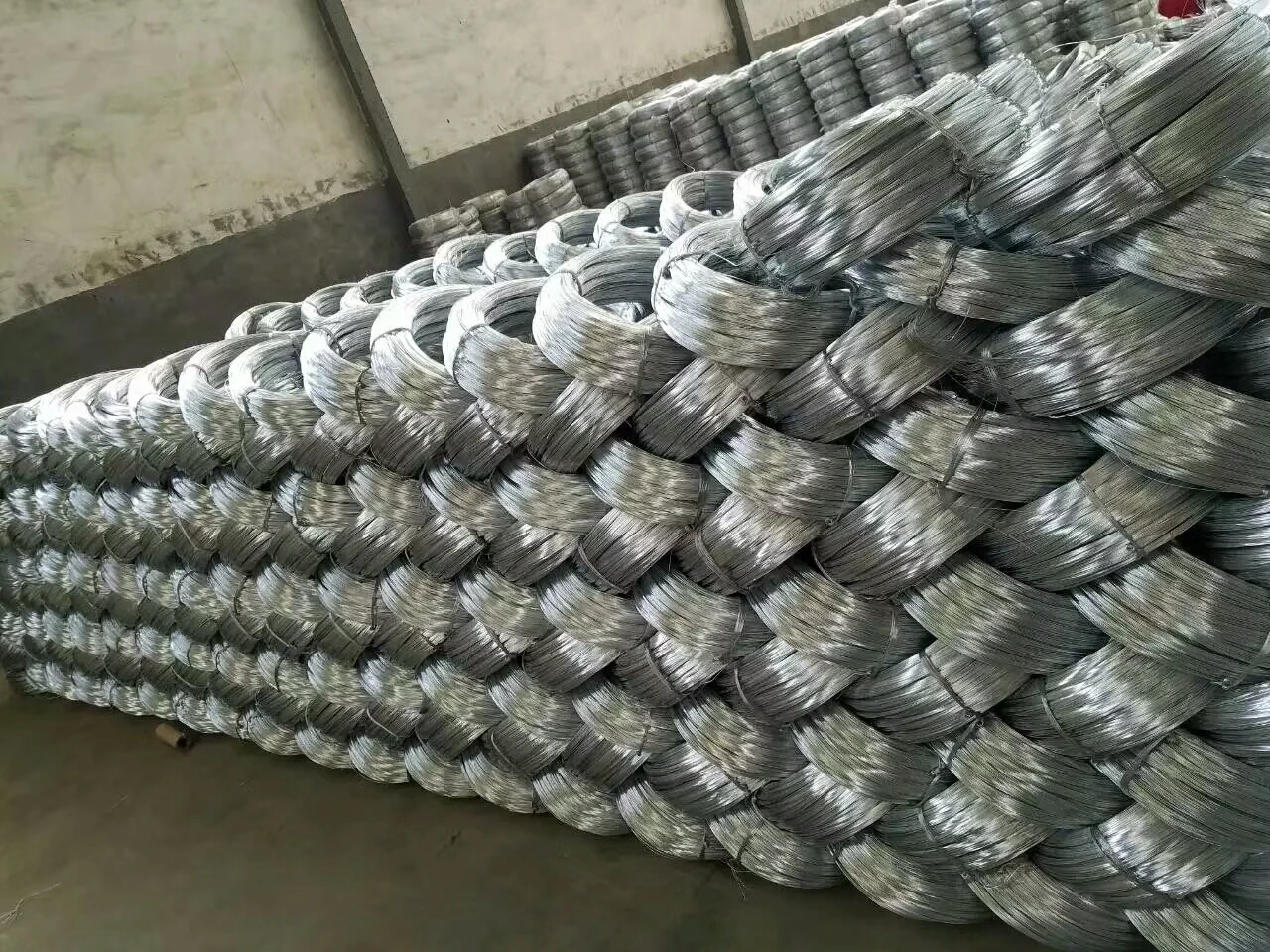
The primary raw material for coil nails intended for concrete is typically high-carbon steel, specifically grades such as AISI 1045 or 1050. These grades offer a balance of hardness, tensile strength, and ductility. The manufacturing process begins with wire drawing, reducing the steel billet to the desired nail diameter. Critical parameters during wire drawing include die lubrication and temperature control to prevent work hardening and maintain consistent material properties. Following wire drawing, the wire undergoes a heading process, where the nail head is formed through a cold forging operation. Precise control of the heading force and die geometry is essential to achieve the correct head dimensions and prevent cracking. Next, the nails are heat treated, typically involving hardening and tempering. Hardening increases the nail's resistance to deformation, while tempering enhances ductility to prevent brittle failure. Case hardening, such as carburizing or nitriding, is often employed to provide a hardened surface layer for increased wear resistance. Finally, the nails are coated for corrosion protection. Common coatings include electroplating with zinc (galvanization), phosphate coating, or polymer coatings. Coating thickness and adhesion are crucial for long-term performance in corrosive concrete environments. The collation process involves assembling the nails into coils using plastic or wire collations, ensuring consistent spacing and reliable feeding into the nail gun. Quality control checkpoints throughout the manufacturing process include dimensional inspection, hardness testing, and coating thickness measurements.
Performance & Engineering
The performance of coil nails in concrete is heavily reliant on the interaction between nail geometry, concrete compressive strength, and the energy delivered by the nail gun. Force analysis reveals that successful penetration relies on a combination of direct impact force, shear deformation of the concrete, and frictional resistance along the nail shank. The nail’s shank diameter, length, and point geometry directly influence the required driving force and penetration depth. Slightly tapered points enhance initial penetration, while barbed shanks increase pull-out resistance. Environmental resistance is a major consideration, particularly in structures exposed to moisture and chlorides. Galvanized coatings provide sacrificial protection against corrosion, but their effectiveness is limited in highly corrosive environments. Polymer coatings offer superior corrosion resistance but may be susceptible to UV degradation. Compliance requirements vary by region and application. In many jurisdictions, coil nails used in structural applications must meet performance criteria specified by building codes, such as those referencing ANSI/ASSP standards. Engineering calculations must account for the nail’s shear capacity, pull-out resistance, and the load distribution within the concrete. Proper nail gun operation, including correct air pressure and nail angle, is crucial for achieving optimal performance. Insufficient driving force can lead to incomplete penetration and reduced holding power, while excessive force can damage the concrete or the nail gun. Consideration must also be given to the concrete’s condition; cracked or deteriorated concrete will significantly reduce nail holding capacity.
Technical Specifications
| Nail Diameter (mm) | Nail Length (mm) | Shank Type | Coating Type |
|---|---|---|---|
| 2.9 | 38 | Smooth | Electro-Galvanized |
| 3.4 | 50 | Barbed | Hot-Dip Galvanized |
| 3.4 | 63 | Ring Shank | Polymer Coated |
| 2.5 | 30 | Smooth | Zinc Phosphate |
| 3.1 | 45 | Barbed | Electro-Galvanized |
| 3.7 | 75 | Ring Shank | Hot-Dip Galvanized |
Failure Mode & Maintenance
Common failure modes for coil nails in concrete include pull-out failure, bending failure, and corrosion-induced failure. Pull-out failure occurs when the nail is extracted from the concrete under tensile load, typically due to insufficient embedment depth or low concrete compressive strength. Bending failure results from excessive shear forces exceeding the nail’s yield strength, leading to permanent deformation or fracture. Corrosion, particularly in chloride-rich environments, can significantly reduce the nail’s cross-sectional area and load-carrying capacity. Fatigue cracking can also occur under cyclic loading, especially in applications subject to vibrations or seismic activity. Failure analysis often reveals that inadequate nail selection for the specific application, improper installation, or exposure to harsh environmental conditions contribute to premature failure. Maintenance primarily focuses on preventative measures. Regular inspection of the fastened assembly for signs of corrosion or deformation is crucial. Promptly addressing any signs of deterioration, such as rust streaks or loose nails, can prevent catastrophic failure. In corrosive environments, applying a sealant around the nail head can provide an additional barrier against moisture ingress. Furthermore, maintaining the nail gun in good working order, including regular cleaning and lubrication, is essential for consistent performance and preventing nail damage. Replacement of worn or damaged nail gun components, such as the driver blade, is also recommended.
Industry FAQ
Q: What is the minimum concrete compressive strength required for reliable performance of these nails?
A: Generally, a minimum concrete compressive strength of 25 MPa (3600 psi) is recommended for reliable performance. Lower strengths may result in reduced holding power and increased risk of pull-out failure. It’s crucial to consult specific product data sheets and building codes for application-specific requirements.
Q: How does the coating type impact the long-term durability of the nails in coastal environments?
A: In coastal environments, where chloride exposure is high, polymer coatings offer significantly superior corrosion resistance compared to electro-galvanized coatings. While hot-dip galvanization provides improved protection over electro-galvanization, it's still susceptible to chloride attack over extended periods. Polymer coatings create a more robust barrier, preventing chloride ions from reaching the steel substrate.
Q: What are the key considerations when selecting nail length for different substrate thicknesses?
A: A minimum embedment depth of at least 25mm (1 inch) into the concrete is generally recommended. Nail length should be sufficient to achieve this embedment depth while also providing adequate clearance between the material being fastened and the concrete surface. Insufficient embedment significantly reduces holding power.
Q: Can these coil nails be used for structural applications, and what certifications are required?
A: While coil nails offer a convenient fastening solution, their use in structural applications often requires engineer-approved designs and adherence to relevant building codes. Certifications, such as those demonstrating compliance with ANSI/ASSP standards, may be required to verify the nail's performance characteristics and ensure structural integrity.
Q: What is the recommended air pressure for optimal nail gun performance and preventing nail bending?
A: The recommended air pressure varies depending on the nail gun model and nail size. Refer to the nail gun manufacturer’s specifications for the optimal pressure range. Typically, a pressure between 6.2 and 8.3 bar (90-120 psi) is suitable for most applications. Using excessively high pressure can lead to nail bending or damage to the concrete.
Conclusion
Coil nails for concrete represent a significant advancement in concrete fastening technology, offering a faster, more efficient alternative to traditional methods. Their performance is critically dependent on a combination of material science principles, precise manufacturing control, and proper installation techniques. Understanding the potential failure modes – pull-out, bending, and corrosion – is paramount for ensuring the long-term structural integrity of fastened assemblies.
Future developments will likely focus on enhancing corrosion resistance through advanced coating materials and optimizing nail geometry for improved pull-out strength. Continued research into the interaction between nail properties, concrete characteristics, and dynamic loading conditions will refine engineering guidelines and expand the range of applications for this versatile fastening solution. Adhering to relevant industry standards and conducting thorough quality control throughout the manufacturing process are essential for maintaining the reliability and performance of coil nails in demanding construction environments.