



Introduction
Coil nails for roofing represent a high-speed fastening solution extensively utilized in the construction industry for securing roofing materials such as asphalt shingles, felt underlayment, and roofing boards to wooden substrates. These nails are collated in coils, allowing for automated feeding into pneumatic nail guns, significantly increasing installation efficiency compared to traditional hand-nailing. Their consistent dimensions, reduced material waste, and reliable driving performance address core industry pain points related to labor costs, project timelines, and fastening integrity. The selection of appropriate coil nail specifications – including shank diameter, length, head type, and coating – is critical to achieving optimal holding power, preventing roof damage, and ensuring long-term weather resistance. This guide provides an in-depth technical overview of coil nails for roofing, encompassing material science, manufacturing processes, performance characteristics, failure modes, and relevant industry standards.
Material Science & Manufacturing
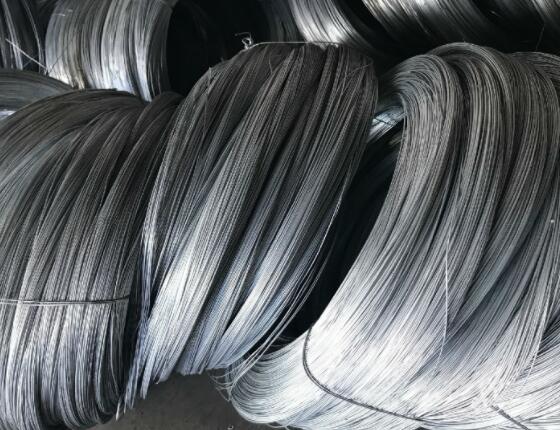
Coil nails for roofing are typically manufactured from high-carbon steel wire (typically SAE 1008 or 1010 steel) due to its excellent tensile strength and ductility. The wire undergoes a drawing process to achieve precise diameter tolerances, crucial for consistent feeding and driving performance in nail guns. The steel’s chemical composition dictates its formability and weldability during the collation process. The collation process involves precisely aligning the nails end-to-end and bonding them together using adhesive, or mechanically joining them with plastic or wire connectors. A critical parameter is the adhesive’s shear strength and temperature resistance to prevent nail separation during high-speed firing. Surface coatings are applied to enhance corrosion resistance. Common coatings include bright basic zinc plating, electro-galvanization, and hot-dip galvanization. Hot-dip galvanization offers superior corrosion protection, particularly in harsh environments, but can affect nail gun lubrication requirements. Polymer coatings, such as epoxy or polyester, are sometimes applied over zinc coatings for added protection and aesthetic appeal. The manufacturing process parameters – wire drawing speed, collation pressure, coating thickness, and adhesive curing time – are stringently controlled to ensure nail quality and consistency. Variations in these parameters can lead to nail bending, misfires, and reduced holding power. The head of the nail is typically formed through a cold heading process, which work-hardens the steel, increasing its strength and resistance to deformation during driving.
Performance & Engineering
The performance of coil nails for roofing is primarily governed by their shear strength and withdrawal resistance. Shear strength refers to the nail’s ability to resist lateral forces, essential for maintaining the integrity of the roof covering under wind loads. Withdrawal resistance, conversely, represents the force required to pull the nail out of the substrate, directly impacting the long-term security of the fastening. These properties are influenced by nail diameter, length, point style (smooth, ring shank, screw shank), and the density of the wood substrate. Ring shank nails provide significantly higher withdrawal resistance compared to smooth shank nails due to the increased surface area and mechanical interlocking with the wood fibers. Force analysis during installation considers the impact force delivered by the nail gun, the nail’s penetration depth, and the resulting stresses within the wood. Insufficient penetration can compromise holding power, while excessive penetration can damage the roofing material or underlying structure. Environmental resistance is paramount. Coil nails must withstand prolonged exposure to UV radiation, temperature fluctuations, humidity, and potentially corrosive agents such as salt spray in coastal regions. Compliance requirements, such as those specified by building codes and roofing material manufacturers, dictate minimum nail size, spacing, and installation techniques. Engineered roofing systems often require specific nail patterns and fastening schedules to maintain warranty validity. The angle of drive also affects holding power; a slight angling can sometimes improve resistance to pull-out forces.
Technical Specifications
| Nail Diameter (Gauge) | Nail Length (inches) | Shank Type | Coating Type |
|---|---|---|---|
| 6 | 1.25 | Smooth | Bright Basic Zinc |
| 7 | 1.5 | Ring Shank | Electro-Galvanized |
| 8 | 2.0 | Ring Shank | Hot-Dip Galvanized |
| 8 | 2.5 | Screw Shank | Polyester Coated Galvanized |
| 9 | 3.0 | Ring Shank | Hot-Dip Galvanized |
| 10 | 3.5 | Screw Shank | Bright Basic Zinc |
Failure Mode & Maintenance
Common failure modes for coil nails in roofing applications include bending during installation, misfires due to nail collation issues, insufficient penetration resulting in pull-through, shear failure under wind loads, and corrosion leading to nail degradation. Fatigue cracking can occur in areas subjected to repetitive stress, such as around flashing or roof penetrations. Delamination of the coating exposes the underlying steel to corrosive elements, accelerating corrosion. Oxidation, particularly in humid environments, weakens the nail and reduces its holding power. Preventative maintenance includes proper nail gun lubrication, regular inspection of the nail feed system, and storage of coil nails in a dry environment. If corrosion is observed, replacement of the affected nails is critical. In cases of suspected nail failure, a thorough inspection of the surrounding roofing material is necessary to identify and address any potential underlying structural issues. A proper installation technique, utilizing the correct nail gun settings and ensuring consistent penetration depth, minimizes the risk of bending and misfires. Performing periodic roof inspections to identify corroded or loose nails allows for timely intervention and prevents further damage.
Industry FAQ
Q: What is the impact of nail gauge on the holding power of coil nails for asphalt shingles?
A: Generally, a higher nail gauge (lower number) indicates a thicker nail shank, providing greater shear strength and resistance to bending. However, thicker nails require more force to drive, potentially damaging the shingles. The optimal gauge depends on the shingle type and local building codes, but a 6 or 7 gauge is common for standard asphalt shingles. It’s crucial to verify shingle manufacturer recommendations.
Q: How does hot-dip galvanization compare to electro-galvanization in terms of corrosion protection for roofing nails?
A: Hot-dip galvanization offers significantly superior corrosion protection compared to electro-galvanization. It creates a thicker zinc coating with a metallurgical bond to the steel, providing a barrier against corrosive elements. Electro-galvanization provides a thinner coating that is more susceptible to damage and corrosion over time, especially in harsh environments like coastal areas.
Q: What are the risks associated with using oil-free nail guns with coil nails?
A: Oil-free nail guns, while convenient, may not provide adequate lubrication for coil nails, especially those with specialized coatings. Insufficient lubrication can increase friction within the nail feed system, leading to misfires, bending, and premature wear of the nail gun components. Using a lubricant specifically designed for pneumatic nailers is highly recommended.
Q: What is the importance of shank type (smooth, ring, screw) in coil nail selection?
A: Shank type dramatically affects withdrawal resistance. Smooth shank nails offer the lowest resistance, suitable for applications where easy removal may be desired. Ring shank nails provide significantly higher withdrawal resistance due to mechanical interlocking with the wood fibers. Screw shank nails offer even greater holding power but require more driving force and may be prone to splitting the wood.
Q: How does temperature affect the performance of coil nails during installation?
A: Extremely cold temperatures can increase the brittleness of the steel, making the nails more susceptible to bending or breaking during installation. Conversely, high temperatures can reduce the steel’s tensile strength. Proper nail gun settings and using nails rated for the specific temperature range are crucial for optimal performance.
Conclusion
Coil nails for roofing represent a critical fastening element in the construction industry, demanding careful consideration of material science, manufacturing quality, and performance characteristics. The selection of appropriate nail specifications – diameter, length, shank type, and coating – must align with the roofing material, substrate, environmental conditions, and relevant building codes. Understanding the potential failure modes, such as corrosion, bending, and shear failure, is essential for proactive maintenance and ensuring the long-term integrity of the roof system.
Future advancements in coil nail technology may focus on developing more durable coatings, optimizing nail geometry for improved holding power, and integrating sensors for real-time monitoring of installation quality. Continued research into the interaction between nail materials and roofing substrates will further enhance fastening performance and reduce the risk of premature failure, contributing to safer and more sustainable roofing solutions.