



Introduction
Coil nails for siding represent a significant advancement in building envelope fastening technology. These collated fasteners, typically comprised of bright basic steel, galvanized steel, or stainless steel, are designed for use in pneumatic nailing guns to expedite the installation of various siding materials – including fiber cement, engineered wood, vinyl, and wood siding. Their inherent efficiency and reduced labor costs have positioned them as a primary fastening method in residential and light commercial construction. Unlike traditional stick nails, coil nails offer continuous feed, minimizing downtime for reloading and optimizing installation speed. The core performance characteristics of coil nails for siding center around shear strength, bending resistance, corrosion protection, and consistent shank diameter for reliable driving. This guide provides an in-depth technical overview of their materials, manufacturing, performance parameters, potential failure modes, and industry standards, catering to the needs of engineers, procurement managers, and installers.
Material Science & Manufacturing
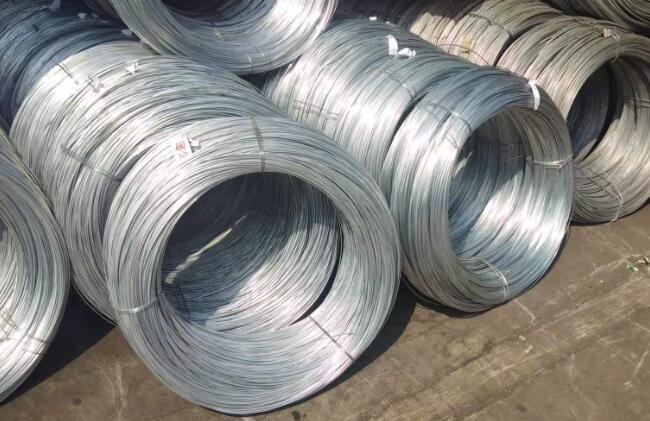
The primary material for coil nail production is typically carbon steel wire, conforming to SAE 1008 or similar grades, providing a balance of tensile strength and ductility. For enhanced corrosion resistance, galvanized coatings are commonly applied via either hot-dip galvanization or electro-galvanization. Hot-dip galvanization offers a thicker, more robust zinc layer, providing superior protection in harsh environments. Electro-galvanization provides a smoother, more consistent coating, suitable for applications where aesthetic considerations are paramount. Stainless steel (typically 304 or 316 grade) is utilized in coastal regions or environments with high chloride exposure, offering maximum corrosion resistance, albeit at a higher cost. The manufacturing process begins with wire drawing, reducing the wire diameter to the desired nail shank size. This is followed by heading, where the wire is formed into the nail head using specialized machinery. Critical parameters during heading include head diameter, head thickness, and consistency of the head profile, impacting driving performance and holding power. Next, the nails are collated using adhesive or plastic connectors, forming a coil ready for use in pneumatic nailers. Coil accuracy – ensuring consistent nail spacing and alignment – is monitored using optical sensors. Quality control includes hardness testing (Rockwell C scale), coating thickness measurement (using eddy current testing), and tensile strength verification. The adhesive used for collation must exhibit long-term stability and resistance to temperature fluctuations to prevent coil disassembly during use. Shank surface finish is also critical; a smooth shank reduces friction within the nailer feed mechanism, while a slightly textured shank enhances withdrawal resistance.
Performance & Engineering
The performance of coil nails for siding is directly linked to their ability to withstand shear forces, bending moments, and environmental stressors. Shear strength, the nail's resistance to forces acting parallel to the shank, is paramount for resisting wind uplift and lateral loads on siding panels. This is largely determined by the nail's diameter and material grade. Bending resistance is crucial to prevent the nail from straightening under load, potentially leading to siding panel detachment. Finite Element Analysis (FEA) is frequently employed to model nail behavior under various loading scenarios, optimizing nail geometry for maximum bending resistance. The design of the nail head also plays a vital role. A countersunk head provides a flush finish, minimizing visibility, while a round or flat head offers increased surface area for clamping force. Environmental resistance is primarily governed by the protective coating. Galvanized coatings rely on sacrificial protection, where zinc corrodes preferentially, protecting the underlying steel. However, the rate of zinc corrosion is influenced by humidity, salt spray, and temperature. Stainless steel provides superior long-term corrosion resistance but is susceptible to crevice corrosion in certain environments. Compliance with building codes (IBC, IRC) is a crucial engineering consideration. Nail spacing, penetration depth, and edge distance are all dictated by code requirements, varying based on wind zone, siding material, and building height. The nailer's operating pressure and air delivery volume must also be calibrated to ensure consistent nail driving depth and prevent under-driven or over-driven nails, both of which compromise the structural integrity of the siding system.
Technical Specifications
| Nail Diameter (Gauge) | Nail Length (inches) | Shank Type | Coating Type | Minimum Shear Strength (psi) | Withdrawal Resistance (lbs) |
|---|---|---|---|---|---|
| 6 | 1.5 | Smooth | Bright Basic Steel | 450 | 80 |
| 8 | 2.0 | Ring Shank | Electro-Galvanized | 600 | 150 |
| 8 | 2.5 | Ring Shank | Hot-Dip Galvanized | 700 | 200 |
| 7 | 2.25 | Screw Shank | Stainless Steel (304) | 900 | 250 |
| 9 | 1.75 | Smooth | Bright Basic Steel | 380 | 65 |
| 6 | 1.25 | Ring Shank | Electro-Galvanized | 500 | 90 |
Failure Mode & Maintenance
Common failure modes of coil nails for siding include bending failure, shear failure, withdrawal failure, and corrosion-induced failure. Bending failure occurs when the nail bends excessively under load, leading to siding panel detachment. This is often caused by insufficient nail diameter or substandard material quality. Shear failure happens when the nail snaps due to excessive shear stress, frequently associated with high wind loads or improper nail placement. Withdrawal failure involves the nail pulling out of the substrate, often resulting from inadequate nail length, insufficient shank grip (smooth shank nails are more prone to withdrawal), or weak substrate material. Corrosion-induced failure manifests as rust formation and weakening of the nail shank, compromising its load-carrying capacity. This is prevalent in coastal environments or with inadequate coating protection. To mitigate these failures, proper nail selection is essential, considering the siding material, wind zone, and environmental conditions. Regular inspection of installed siding is recommended, particularly in areas prone to high winds or corrosion. Evidence of nail bending, withdrawal, or rust should be addressed promptly by replacing the affected nails with appropriately sized and coated fasteners. Pre-drilling pilot holes can reduce bending stress in hardwoods. Proper nailer maintenance, including cleaning and lubrication, ensures consistent nail driving and prevents malfunctions. Storage of coil nails in a dry environment is crucial to prevent corrosion prior to installation.
Industry FAQ
Q: What is the difference between ring shank and smooth shank coil nails, and when should each be used?
A: Ring shank nails feature circumferential ridges along the shank, significantly increasing withdrawal resistance compared to smooth shank nails. Smooth shank nails are generally suitable for lighter-duty applications or softer substrates where withdrawal resistance is less critical. Ring shank nails are recommended for siding applications exposed to high winds or where increased holding power is required, particularly with engineered wood or fiber cement siding.
Q: How does the gauge of a coil nail affect its performance?
A: Nail gauge refers to the wire diameter, with lower numbers indicating thicker nails. Thicker nails (lower gauge) possess higher shear strength and bending resistance, making them suitable for heavier-duty applications and more demanding wind load requirements. However, thicker nails require more force to drive and may cause splitting in softer substrates.
Q: What level of galvanization is sufficient for coastal environments?
A: For coastal environments with high salt spray exposure, hot-dip galvanization is strongly recommended due to its thicker zinc coating and superior corrosion protection. Electro-galvanization may be insufficient to withstand the corrosive effects of saltwater over the long term. Stainless steel (316 grade) provides the highest level of corrosion resistance but represents a significant cost increase.
Q: What are the implications of using the incorrect nail length for a specific siding material?
A: Using nails that are too short can result in insufficient penetration of the substrate, reducing holding power and increasing the risk of siding panel detachment. Nails that are too long can protrude through the back of the siding, potentially damaging internal building components or creating a pathway for moisture intrusion.
Q: How does temperature affect the performance of coil nails?
A: Extreme temperatures can affect both the nail material and the siding substrate. Cold temperatures can reduce the ductility of steel nails, making them more brittle and prone to bending. High temperatures can cause expansion and contraction of both the nail and the siding, potentially loosening the connection over time. It is important to consider these temperature effects when selecting nail materials and installation techniques.
Conclusion
Coil nails for siding have revolutionized siding installation, offering significant efficiency gains and cost savings. However, optimal performance relies on a thorough understanding of the underlying material science, manufacturing processes, and engineering principles. Proper nail selection, considering factors such as material grade, coating type, shank design, and gauge, is paramount to ensuring long-term structural integrity and resistance to environmental degradation. Failure to adhere to industry best practices and building code requirements can lead to premature failure, resulting in costly repairs and potential safety hazards.
Future advancements in coil nail technology will likely focus on developing more corrosion-resistant coatings, optimizing nail geometries for increased shear and bending strength, and integrating smart sensors for real-time monitoring of nail performance. Continued research and development in these areas will further enhance the reliability and durability of siding systems, contributing to more sustainable and resilient building construction.