



Introduction
Coil nails for roofing constitute a fastening system employing collated nails presented on a coil for use in pneumatic nail guns. Their primary application lies in securing roofing materials – asphalt shingles, underlayment, and roof decking – to structural framing. Distinct from traditional stick-framed nailers, coil nailers offer significantly increased productivity due to their higher capacity and continuous feed mechanism. This guide details the material science, manufacturing processes, performance characteristics, failure modes, and relevant standards governing coil nails used in roofing applications. The adoption of coil nails addresses critical industry pain points related to labor costs, installation speed, and consistent fastener performance, especially in large-scale roofing projects. Understanding the nuances of coil nail construction and application is crucial for ensuring long-term roof integrity and compliance with building codes.
Material Science & Manufacturing
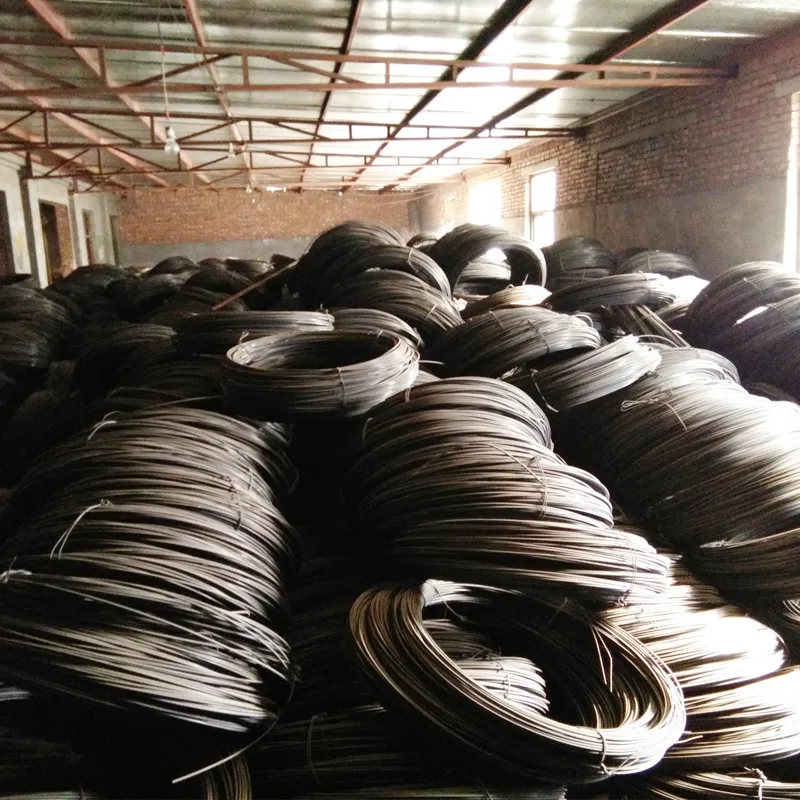
Coil nails for roofing are typically manufactured from carbon steel, specifically SAE 1008 or equivalent, offering a balance of ductility and tensile strength. The steel undergoes a wire drawing process to achieve the desired nail diameter, commonly ranging from 2.5mm to 3.4mm (8d to 12d equivalent). Critical material properties include yield strength (typically 350-550 MPa) and elongation (minimum 8%). Bright basic steel (BBS) nails are often used for corrosion resistance, but galvanized coatings (ASTM A646 standard) are prevalent in more demanding environments, offering zinc coating weights from G30 to G90. Polymer coatings, such as epoxy or polyester, further enhance corrosion protection. The nail head is formed through a heading process, creating a modified trumpet head for increased holding power. Nail collation utilizes plastic, paper, or wire carriers to maintain consistent spacing and feeding within the nailer. Manufacturing involves precise control of nail length, shank diameter, point geometry (chisel, blunt, or diamond point), and coil winding tension. Heat treatment processes, including hardening and tempering, are essential for achieving desired mechanical properties and preventing brittle failure. Quality control checks encompass dimensional accuracy, coating thickness, and head integrity. Improper heat treatment, inconsistent coating application, or variations in wire diameter can lead to significant performance deficiencies.
Performance & Engineering
The performance of coil nails in roofing applications is governed by several engineering principles. Shear strength, determined through ASTM F1792 testing, is paramount, representing the nail’s resistance to lateral forces. Withdrawal resistance, evaluated per ASTM F1667, dictates the nail’s ability to remain embedded under tensile loads. Bending strength, while less critical for straight-shank coil nails, becomes relevant when considering nail deflection under load. The angle of nail penetration is a critical parameter, ideally between 8 and 12 degrees relative to the substrate to maximize holding power. Environmental resistance is a significant consideration; prolonged exposure to moisture, UV radiation, and temperature fluctuations can induce corrosion and reduce fastener strength. Coating selection and application thickness directly influence long-term durability. Wind uplift resistance is a key performance metric for roofing systems, assessed through testing according to ASTM D7158. The number of nails per square foot, nail spacing, and nail penetration depth are critical variables affecting overall system performance. Compliance with building codes (IBC, IRC) necessitates adherence to specific nailing patterns and fastener specifications. Fatigue resistance, especially in areas prone to wind-induced vibrations, is an important factor to consider, requiring careful selection of nail material and coating.
Technical Specifications
| Nail Diameter (mm) | Nail Length (mm) | Coil Capacity (nails) | Coating Type |
|---|---|---|---|
| 2.9 | 50 | 210 | Bright Basic Steel (BBS) |
| 3.1 | 65 | 190 | Galvanized (G60) |
| 3.3 | 75 | 170 | Galvanized (G90) |
| 3.4 | 83 | 150 | Epoxy Coated Galvanized |
| 2.5 | 40 | 250 | BBS |
| 3.0 | 57 | 200 | Galvanized (G30) |
Failure Mode & Maintenance
Coil nails can fail through several mechanisms. Corrosion is a primary failure mode, particularly in coastal environments or with exposure to harsh chemicals. Galvanic corrosion can occur when dissimilar metals are in contact. Hydrogen embrittlement, induced by acidic environments, weakens the steel. Fatigue cracking, resulting from cyclic loading, can initiate at nail head or shank defects. Withdrawal failure occurs when the nail loses its grip on the substrate, often due to insufficient penetration depth or wood decay. Shear failure results from excessive lateral forces exceeding the nail's shear strength. Manufacturing defects, such as voids in the head or variations in wire diameter, can exacerbate failure susceptibility. Maintenance typically involves periodic inspection of roof fasteners, particularly in areas prone to moisture accumulation or high wind exposure. Replacement of corroded or damaged nails is crucial to prevent roof leaks and structural damage. Preventative maintenance includes ensuring proper ventilation to minimize moisture buildup and applying protective coatings to exposed nail heads. Proper nailer maintenance, including lubrication and cleaning, is also essential for consistent performance and minimizing stress on the fasteners. Proper storage of coil nails, protected from moisture and extreme temperatures, will prolong their lifespan and maintain their integrity.
Industry FAQ
Q: What is the significance of the 'G' rating in galvanized coil nails?
A: The 'G' rating (e.g., G60, G90) refers to the weight of the zinc coating per square foot of steel, expressed in ounces. A higher 'G' rating indicates a thicker zinc coating, providing greater corrosion resistance. G60 offers moderate protection, suitable for inland applications, while G90 is preferred for coastal or industrial environments with higher corrosive exposure.
Q: How does nail head design impact holding power?
A: Nail head design is critical. A modified trumpet head, with a larger diameter than the nail shank, increases the surface area resisting withdrawal forces. The head's profile also influences its ability to countersink into the roofing material without damaging it. Properly formed heads distribute the load more effectively, preventing splitting or cracking of the substrate.
Q: What is the recommended nail spacing for asphalt shingle roofing?
A: Recommended nail spacing for asphalt shingles typically ranges from 4 to 6 inches apart along the edges and 6 to 8 inches apart in the field. Local building codes often dictate specific nailing patterns based on wind zone and shingle type. Adhering to manufacturer's specifications and local regulations is crucial for warranty compliance and roof performance.
Q: What are the advantages of using coil nails over hand-nailing?
A: Coil nails significantly increase installation speed and productivity compared to hand-nailing. The continuous feed mechanism eliminates the need to stop and reload individual nails. Consistent nail depth and placement are achieved, resulting in a more uniform and secure fastening system. Reduced labor costs and improved efficiency are the primary economic benefits.
Q: What causes nail pop in roofing applications and how can it be prevented?
A: Nail pop, where nails work their way out of the substrate, is often caused by insufficient nail penetration, excessive driving pressure, or wood shrinkage. Prevention strategies include ensuring proper nail length for the substrate thickness, using the correct air pressure setting on the nailer, and allowing the wood to acclimatize to the environment before installation. Using nails with ring-shank features can also improve withdrawal resistance.
Conclusion
Coil nails represent a critical fastening technology within the roofing industry, offering substantial advantages in terms of installation efficiency and consistent performance. Their material composition, manufacturing processes, and engineering properties are meticulously controlled to ensure reliable long-term durability. Understanding the potential failure modes—primarily corrosion, fatigue, and withdrawal—is paramount for preventative maintenance and selecting appropriate fastener specifications based on environmental conditions and building code requirements.
The continued evolution of coil nail technology focuses on enhancing corrosion resistance through advanced coating materials and optimizing nail geometry for increased holding power. Adherence to industry standards and rigorous quality control are essential for maintaining the integrity of roofing systems and preventing costly failures. Proper nailer maintenance and correct installation techniques further contribute to maximizing the lifespan and performance of coil nail fasteners.