




Introduction
The common nail, designated here as ‘common nail 1’, is a foundational fastening element in construction, woodworking, and general assembly applications. Positioned within the broader category of solid fasteners, it represents a historically significant and economically viable solution for joining materials. Its simplicity belies a complex interplay of material science, manufacturing processes, and performance characteristics directly impacting structural integrity and long-term durability. Common nail 1 primarily functions through shear strength and frictional resistance, relying on deformation of both the nail material and the joined substrates to maintain a secure connection. This guide provides an in-depth examination of common nail 1, encompassing its material composition, manufacturing techniques, engineering performance, potential failure modes, and relevant industry standards.
Material Science & Manufacturing
Common nail 1 is predominantly manufactured from low to medium carbon steel, typically AISI 1008 to 1018. The carbon content ranges from 0.05% to 0.25% by weight, influencing the balance between ductility and hardness. This steel is chosen for its cost-effectiveness, formability, and acceptable tensile strength. The raw material is supplied in wire form, subjected to stringent quality control checks for chemical composition and dimensional accuracy. Manufacturing proceeds via a cold heading process. The wire is fed into a heading machine where it is cut to length and then formed into the nail shape using a series of dies. This cold working process increases the material’s yield strength and hardness through strain hardening. Parameter control is critical throughout this process. Wire feed rate, die geometry, and lubrication are carefully monitored to ensure consistent nail head dimensions and shank uniformity. Following heading, nails are often subjected to a tumbling or polishing process to remove surface imperfections and enhance corrosion resistance. Some nails undergo galvanization, a zinc coating applied through hot-dip or electrolytic processes, significantly increasing resistance to corrosion. The quality of the galvanization directly correlates to the salt spray resistance and longevity of the nail. Hydrogen embrittlement is a concern during the galvanization process, requiring post-treatment baking to diffuse hydrogen from the steel.
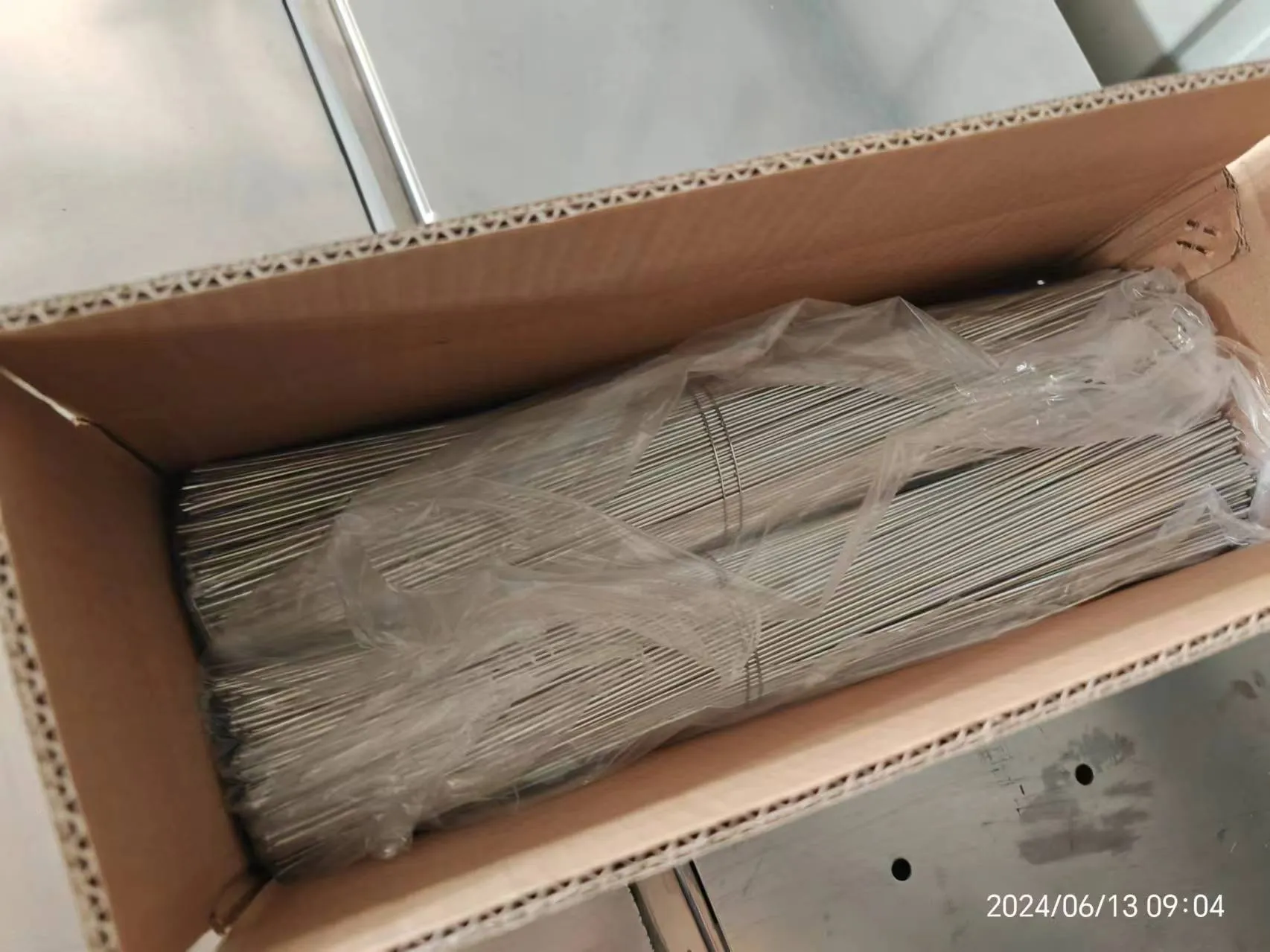
Performance & Engineering
The performance of common nail 1 is fundamentally governed by its ability to resist shear forces and withdrawal forces. Shear strength is directly related to the nail’s cross-sectional area and the tensile strength of the steel. Withdrawal resistance, however, is more complex. It depends on the nail's shank diameter, length, the density and type of wood (or other substrate) being fastened, and the angle of the nail relative to the wood grain. Force analysis reveals that the maximum shear stress is concentrated at the shank of the nail, while withdrawal resistance relies on friction between the nail shank and the surrounding material, as well as mechanical interlocking created by deformation of the wood fibers. Environmental resistance is a critical factor. Exposure to moisture and corrosive elements accelerates degradation. Galvanization provides a sacrificial barrier, but even this will eventually corrode over time, particularly in marine environments or where contact with dissimilar metals occurs. Compliance requirements vary by region and application. Building codes often specify minimum nail size, spacing, and material grade for structural applications. The nail’s performance is assessed through standardized pull-out tests, shear tests, and corrosion resistance tests. The nail’s geometry – specifically the head size and point configuration – affects its driving characteristics and holding power. A larger head provides a greater bearing surface, while a diamond point facilitates easier penetration of the material.
Technical Specifications
| Diameter (Gauge) | Length (inches) | Shank Type | Head Type |
|---|---|---|---|
| 6d (0.113 inch) | 3 inches | Smooth | Flat |
| 8d (0.131 inch) | 3.5 inches | Smooth | Flat |
| 10d (0.148 inch) | 4 inches | Smooth | Flat |
| 12d (0.162 inch) | 4.5 inches | Smooth | Flat |
| 16d (0.196 inch) | 5.5 inches | Smooth | Flat |
| 20d (0.230 inch) | 6 inches | Smooth | Flat |
Failure Mode & Maintenance
Common nail 1 is susceptible to several failure modes. Fatigue cracking can occur under repeated loading, particularly in applications involving vibration or dynamic forces. This initiates at stress concentration points, such as the nail head or shank, and propagates until complete fracture. Withdrawal failure occurs when the nail loses its grip on the substrate, often due to excessive force or deterioration of the wood fibers. Corrosion is a significant long-term concern, leading to reduction in shank diameter and diminished shear strength. Hydrogen embrittlement, as mentioned previously, can exacerbate corrosion-induced failures. Shear failure involves the nail shearing along its cross-section, typically exceeding the material's shear strength. Maintenance primarily focuses on preventative measures. Selecting appropriately sized nails for the application, ensuring proper driving technique to avoid bending, and using corrosion-resistant nails in exposed environments are crucial. Regular inspection of nailed connections, particularly in critical structural applications, can identify early signs of corrosion or fatigue. In cases of corrosion, applying a protective coating to the nail head can slow down the degradation process. Replacing severely corroded or damaged nails is essential to maintain structural integrity.
Industry FAQ
Q: What is the impact of nail angle on withdrawal resistance?
A: Nail angle significantly influences withdrawal resistance. As the angle decreases (nail driven closer to perpendicular to the surface), withdrawal resistance increases due to greater frictional contact and mechanical interlocking. However, excessively steep angles can reduce shear strength. Optimal angle depends on the specific application and wood species.
Q: How does the type of wood affect nail holding power?
A: Wood density and grain structure are critical. Harder, denser woods (like oak or maple) provide significantly greater holding power than softer woods (like pine or fir). Nailing with the grain offers better resistance to splitting and improves withdrawal resistance compared to nailing against the grain.
Q: Is galvanization sufficient protection in saltwater environments?
A: Standard galvanization provides limited protection in prolonged saltwater exposure. The zinc coating will eventually sacrifice itself to prevent corrosion of the steel. For marine applications, stainless steel nails or specialized coatings (like epoxy) are recommended for long-term durability.
Q: What is the difference between smooth and ring-shank nails, and how does it relate to withdrawal resistance?
A: Ring-shank nails have raised rings along the shank, increasing the surface area in contact with the wood and providing significantly greater resistance to withdrawal. Smooth-shank nails rely primarily on friction and are more susceptible to being pulled out.
Q: What is the role of pre-drilling when using common nails?
A: Pre-drilling is essential when nailing into hardwoods or near the edges of wood to prevent splitting. It reduces the driving force required and creates a pilot hole for the nail, ensuring a straighter, more secure connection.
Conclusion
Common nail 1, despite its seemingly simple construction, represents a critical component in numerous construction and assembly processes. Its performance is deeply intertwined with the material properties of the steel, the precision of the manufacturing process, and the specific environmental conditions encountered during service. Understanding the interplay of these factors – shear strength, withdrawal resistance, corrosion susceptibility, and potential failure modes – is paramount for ensuring structural integrity and longevity.
Future advancements may focus on developing novel corrosion-resistant coatings, optimizing nail geometries for enhanced holding power, and exploring alternative materials beyond traditional carbon steel. The continued refinement of manufacturing processes, coupled with rigorous quality control measures, will be essential to maintaining the reliability and cost-effectiveness of this ubiquitous fastener.