




Introduction
Common nail diameter is a fundamental specification in fastening applications across numerous industries, including construction, woodworking, and furniture manufacturing. Nails, categorized by gauge (diameter) and length, provide a cost-effective and readily deployable method for joining materials. Understanding the correlation between nail diameter, material properties, and load-bearing capacity is crucial for ensuring structural integrity and preventing failure. This guide provides an in-depth analysis of nail diameter, encompassing material science, manufacturing processes, performance characteristics, failure modes, and relevant industry standards. The selection of the appropriate nail diameter is driven by the materials being joined, the applied load, the desired level of shear and tensile strength, and applicable building codes. Incorrect diameter selection can lead to inadequate holding power, material splitting, or catastrophic structural collapse, making a thorough understanding essential for engineers, procurement professionals, and construction personnel.
Material Science & Manufacturing
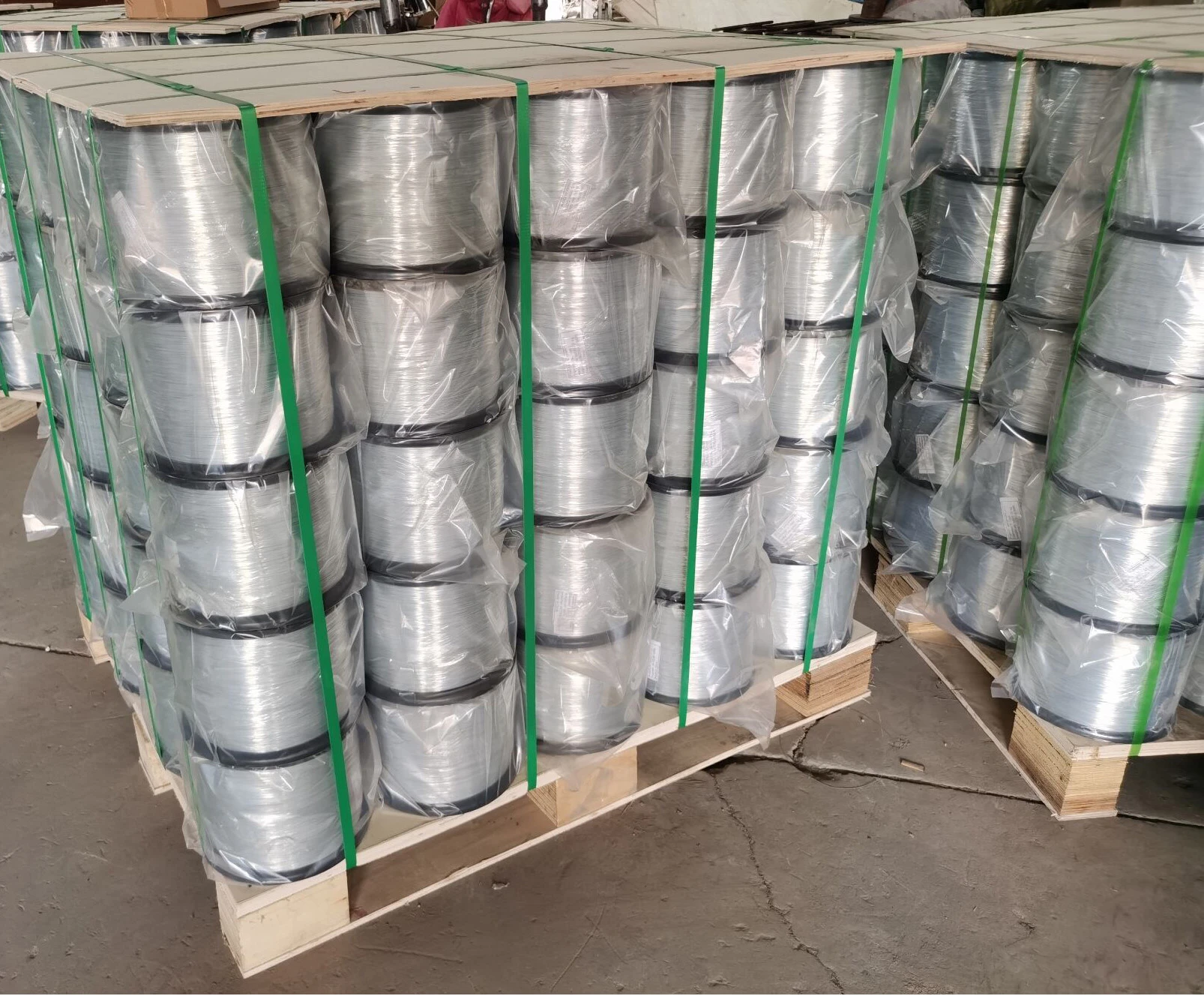
Nails are typically manufactured from carbon steel, although stainless steel, aluminum, copper, and brass alloys are utilized for specific applications requiring corrosion resistance or aesthetic considerations. Carbon steel nails commonly employ SAE 1008, 1018, or similar low-carbon steel grades, offering a balance of ductility and strength. The manufacturing process begins with wire drawing, where steel rod is pulled through a series of progressively smaller dies to achieve the desired diameter. This process work-hardens the material, increasing its tensile strength but reducing its ductility. Following wire drawing, the wire is fed into a nail-making machine, which performs heading (forming the nail head), pointing (sharpening the tip), and, optionally, coating. Coating processes, such as galvanization, provide corrosion protection. Galvanization, typically employing a hot-dip process, involves immersing the nails in molten zinc, creating a protective zinc layer. Electrolytic galvanization offers a smoother, more consistent coating. The physical properties of the steel wire, particularly its tensile strength and yield strength, are critical parameters influencing nail performance. Chemical composition directly impacts corrosion resistance; for instance, adding chromium and nickel to the steel alloy produces stainless steel nails resistant to rust. Precise control of the wire diameter during drawing is vital to maintain consistent nail gauge and ensuring dimensional accuracy. Heat treatment processes, like annealing, may be employed to restore ductility after wire drawing, optimizing the nail’s ability to resist bending and shear forces.
Performance & Engineering
The performance of a nail is directly related to its shear strength, tensile strength, and bending resistance. Shear strength is the force required to break the nail in a direction perpendicular to its axis, critical in applications where lateral loads are prevalent. Tensile strength represents the maximum stress the nail can withstand before fracturing under a pulling force. Bending resistance, or flexural strength, determines the nail’s ability to withstand forces that cause it to bend. Nail diameter is a primary factor influencing these properties; larger diameter nails inherently possess higher shear and tensile strength. Engineering calculations for nail connections often employ principles of mechanics, considering factors like wood density, nail angle, and load distribution. The withdrawal resistance of a nail – its ability to resist being pulled out of the material – is also critical. This resistance is influenced by the nail’s diameter, length, surface finish (e.g., ring shank vs. smooth shank), and the properties of the material it's embedded in. Ring shank nails, with their circumferential ridges, exhibit significantly higher withdrawal resistance compared to smooth shank nails. Environmental resistance is also a key performance consideration. Exposure to moisture, temperature fluctuations, and corrosive substances can degrade the nail material, reducing its strength and lifespan. Protective coatings, like galvanization, are essential for mitigating corrosion. Furthermore, compliance with building codes (e.g., ICC-ES AC36) dictates nail spacing, edge distance, and allowable loads based on nail diameter and other factors, ensuring structural safety.
Technical Specifications
| Nail Gauge (Diameter - inches) | Nail Diameter (mm) | Typical Shear Strength (lbs) | Typical Tensile Strength (lbs) |
|---|---|---|---|
| 6d | 3.37 | 650 | 800 |
| 8d | 4.03 | 850 | 1100 |
| 10d | 4.75 | 1100 | 1400 |
| 12d | 5.47 | 1400 | 1700 |
| 16d | 6.35 | 1800 | 2200 |
| 20d | 7.24 | 2200 | 2800 |
Failure Mode & Maintenance
Nail failures commonly occur through several modes, including shear failure, tensile failure, bending failure, and withdrawal failure. Shear failure occurs when the force acting parallel to the nail’s axis exceeds its shear strength, causing it to break. Tensile failure occurs when the nail is subjected to a pulling force exceeding its tensile strength. Bending failure happens when the nail bends excessively under load, leading to material yielding or fracture. Withdrawal failure results from the nail being pulled out of the material, often due to insufficient holding power or excessive withdrawal forces. Corrosion is a significant contributor to nail failure, especially in outdoor applications. Rust weakens the nail material, reducing its strength and increasing its susceptibility to fracture. Fatigue cracking can occur in nails subjected to repeated loading and unloading, initiating cracks that propagate over time and eventually lead to failure. Preventative maintenance involves selecting appropriately coated nails for the environment, ensuring proper nail installation techniques (e.g., avoiding hammering nails at an angle), and periodically inspecting nail connections for signs of corrosion or damage. Regular inspection can identify weakened nails before they lead to structural failures. Replacing corroded or damaged nails is crucial for maintaining structural integrity. For critical applications, employing corrosion-resistant materials like stainless steel or using specialized coatings can extend the nail’s lifespan and reduce the risk of failure.
Industry FAQ
Q: What is the impact of nail finish (e.g., bright, galvanized) on corrosion resistance?
A: Nail finish significantly impacts corrosion resistance. Bright nails, without a protective coating, are highly susceptible to rust, particularly in humid environments. Galvanized nails, with their zinc coating, offer substantial corrosion protection, slowing down the oxidation process. The thickness of the zinc coating dictates the level of protection; thicker coatings provide longer-lasting resistance. Stainless steel nails offer the highest level of corrosion resistance, being virtually immune to rust. The appropriate finish depends on the application environment and desired lifespan.
Q: How does wood density affect nail holding power?
A: Wood density is a critical factor influencing nail holding power. Denser hardwoods, like oak and maple, provide significantly greater resistance to nail withdrawal compared to softer woods, like pine and fir. This is because denser wood fibers create greater friction around the nail shaft. Nail selection should consider the wood’s density; for softer woods, ring shank nails or larger diameter nails are often recommended to increase withdrawal resistance.
Q: What is the difference between common nails and box nails, and when should each be used?
A: Common nails have a thick shank and a large, flat head, providing high holding power but also increasing the risk of splitting the wood. Box nails have a thinner shank and a smaller head, reducing the risk of splitting but offering less holding power. Common nails are suitable for general construction and framing where splitting is not a primary concern. Box nails are preferred for interior trim, molding, and other applications where a neat appearance and minimal wood splitting are essential.
Q: What are the implications of using nails in pressure-treated lumber?
A: Pressure-treated lumber contains chemicals to resist decay and insect infestation. These chemicals can corrode standard steel nails over time. Therefore, it is essential to use hot-dip galvanized nails specifically rated for use with pressure-treated lumber. These nails have a thicker zinc coating that provides adequate corrosion protection. Using non-compatible nails can lead to premature failure and structural compromise.
Q: How does nail angle affect the load-bearing capacity of a connection?
A: Nail angle significantly affects the load-bearing capacity of a connection. Driving nails perpendicular to the wood surface maximizes shear strength. Angled nailing, while sometimes used to avoid splitting, reduces shear strength and introduces a bending component to the load. The optimal nail angle depends on the specific application and load requirements, but generally, minimizing the angle maximizes load capacity. Engineering calculations should account for nail angle when determining allowable loads.
Conclusion
Selecting the appropriate nail diameter is paramount to ensuring the structural integrity and longevity of fastened connections. This guide detailed the interplay between material science, manufacturing processes, performance characteristics, and failure modes related to common nail diameter. Understanding the correlation between nail gauge, material properties, and environmental factors is crucial for preventing premature failure and maximizing the lifespan of structures.
Moving forward, advancements in nail technology will likely focus on developing more corrosion-resistant coatings, optimizing nail shank designs for enhanced withdrawal resistance, and utilizing advanced materials to improve overall performance. Continued adherence to established industry standards, coupled with a thorough understanding of the principles outlined in this guide, will remain vital for engineers, contractors, and procurement professionals seeking reliable and durable fastening solutions.