



Introduction
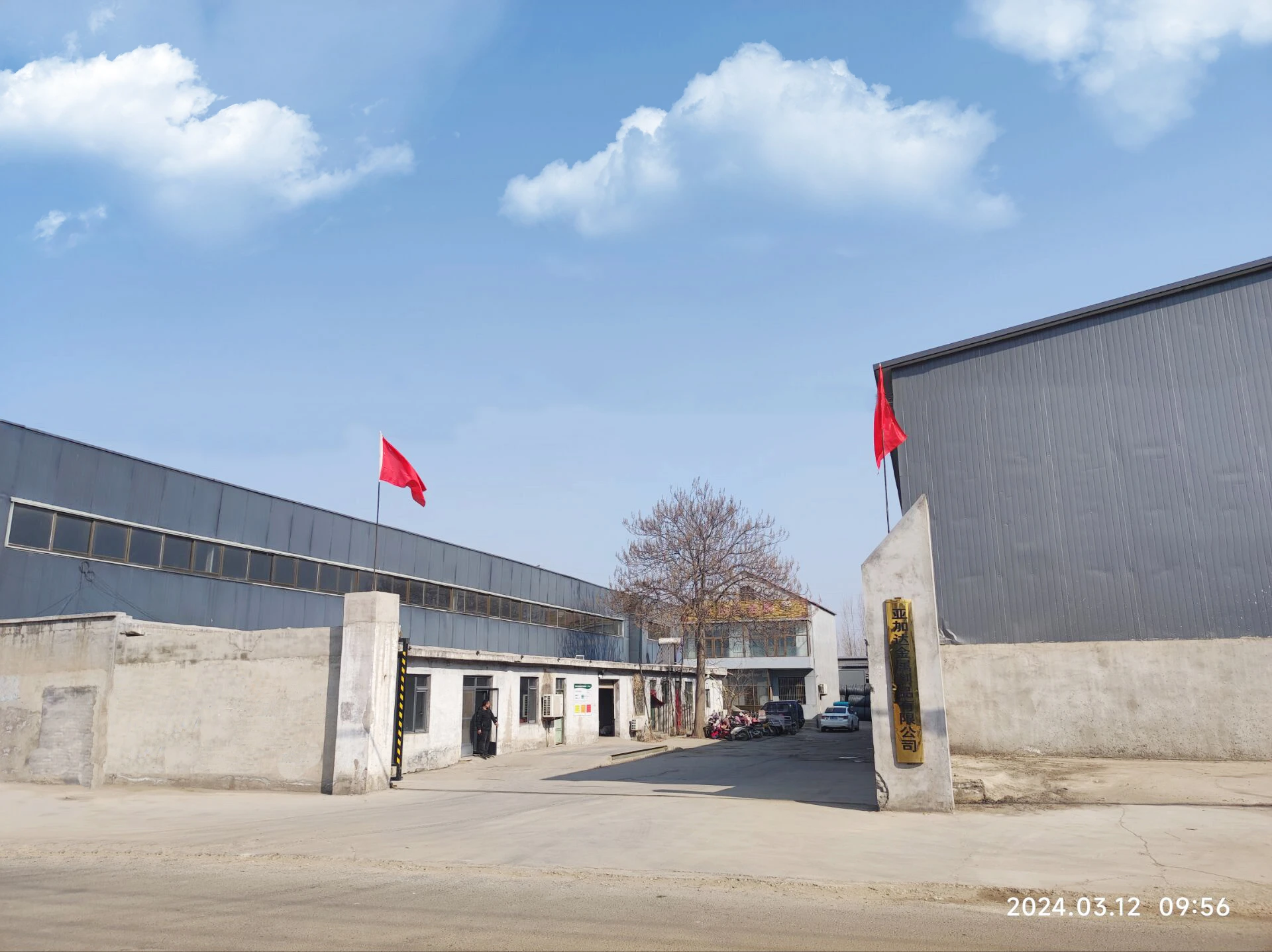
Common nails, manufactured in dedicated nail factories, represent a foundational fastening element in construction, woodworking, and various assembly applications. Positioned within the broader metal product manufacturing supply chain, these nails are typically produced from carbon steel wire. Their technical significance lies in their simplicity, cost-effectiveness, and versatility. Core performance characteristics include shear strength, tensile strength, bending resistance, and corrosion resistance, which directly impact the integrity and longevity of joined materials. The industry faces ongoing challenges related to raw material cost fluctuations, maintaining consistent quality control across high-volume production, and adapting to evolving construction standards that emphasize sustainable materials and fastening solutions. Furthermore, increasing automation in nail manufacturing aims to address labor costs and enhance production efficiency while simultaneously demanding greater precision and reliability in machinery and process control.
Material Science & Manufacturing
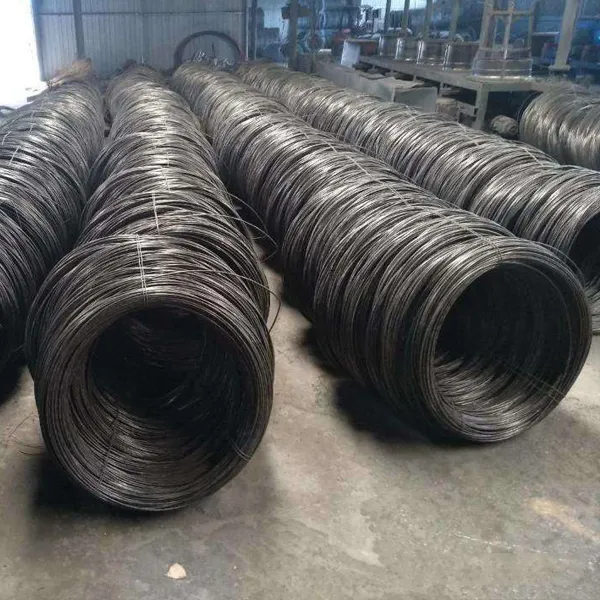
The primary raw material for common nail production is typically carbon steel wire, with varying carbon content influencing nail hardness and ductility. Common grades include SAE 1008, 1010, and 1018, selected based on desired performance characteristics. The steel's chemical composition, specifically the percentage of carbon, manganese, phosphorus, and sulfur, directly impacts its weldability, tensile strength, and resistance to fracture. Manufacturing commences with wire drawing, a process that reduces the wire diameter through a series of dies, increasing its tensile strength. This is followed by the nail-making process, typically utilizing either a cold-heading process or a wire-feeding process. Cold-heading involves cutting the wire to length and then forming the head by impacting the wire end. Wire-feeding processes involve feeding the wire into a machine that simultaneously forms the head and point. Critical parameters during manufacturing include die lubrication (to minimize friction and wear), cutting speed (affecting dimensional accuracy), and heading pressure (determining head formation quality). Post-manufacturing, nails often undergo surface treatment, such as galvanization (zinc coating) or electrolytic plating, to enhance corrosion resistance. The quality of the coating is assessed through salt spray testing and coating thickness measurements. Careful control of these parameters ensures the nails meet required dimensional tolerances, mechanical properties, and corrosion protection standards.
Performance & Engineering
The performance of common nails is fundamentally governed by principles of mechanics and material science. Shear strength, the resistance to force applied parallel to the nail shank, is crucial for resisting racking forces in framed structures. Tensile strength, the resistance to force applied along the nail axis, dictates the nail’s ability to withstand pull-out forces. Bending resistance determines the nail's ability to resist deformation under load. The nail's geometry – shank diameter, length, and head size – significantly influences these properties. Force analysis during installation involves considering the impact force required for penetration and the resulting stress distribution within the wood. Environmental resistance is primarily addressed through surface coatings; galvanization provides a sacrificial barrier against corrosion. Compliance requirements, such as those stipulated by building codes (IBC, UBC), dictate nail size, spacing, and penetration depth based on structural load calculations. Furthermore, the nail's ability to maintain its integrity under cyclic loading (fatigue) is crucial in applications subjected to vibrations or repeated stress. Engineering considerations also include the interaction between nail material, wood species, and the potential for electrochemical corrosion if dissimilar metals are used in proximity.
Technical Specifications
| Nail Diameter (Gauge) | Nail Length (inches) | Shank Type | Coating Type |
|---|---|---|---|
| 6d (0.113 inch) | 2.5 inches | Smooth | Bright (Uncoated) |
| 8d (0.131 inch) | 3.125 inches | Smooth | Galvanized (Zinc) |
| 10d (0.148 inch) | 3.5 inches | Ring Shank | Electroplated Zinc |
| 12d (0.162 inch) | 3.75 inches | Screw Shank | Hot-Dip Galvanized |
| 16d (0.196 inch) | 4 inches | Smooth | Bright (Uncoated) |
| 20d (0.220 inch) | 4.5 inches | Ring Shank | Galvanized (Zinc) |
Failure Mode & Maintenance
Common nail failures commonly manifest as bending, shear failure, pull-out, and corrosion. Bending occurs when the nail experiences excessive lateral force, exceeding its yield strength. Shear failure happens when the nail is subjected to forces parallel to its shank, leading to fracture. Pull-out occurs when the nail loses its grip within the wood, often due to insufficient penetration depth or wood degradation. Corrosion, particularly in untreated nails, leads to material loss and weakens the nail’s structural integrity. Failure analysis reveals that fatigue cracking, initiated by cyclic loading, can significantly reduce the nail’s lifespan. Delamination of coatings, especially galvanization, exposes the underlying steel to corrosion. To mitigate failures, proper nail selection based on application requirements is crucial. Ring shank nails offer superior pull-out resistance, while thicker coatings provide enhanced corrosion protection. Maintenance primarily focuses on preventing corrosion by applying protective coatings or utilizing corrosion-resistant nail materials. Regular inspection of fastened structures can identify early signs of corrosion or nail deformation, allowing for timely replacement before catastrophic failure occurs. Furthermore, proper storage of nails in a dry environment is essential to prevent rust formation prior to installation.
Industry FAQ
Q: What is the difference between bright nails and galvanized nails, and when should each be used?
A: Bright nails are uncoated steel nails, offering lower cost but minimal corrosion resistance. They are suitable for interior applications where moisture exposure is limited. Galvanized nails are coated with zinc to provide corrosion protection. Hot-dip galvanization offers a thicker, more durable coating for exterior or harsh environments, while electrogalvanization provides a thinner coating suitable for moderately exposed applications. The choice depends on the level of corrosion risk and the intended service life.
Q: How does nail gauge and length impact the holding power of a nail?
A: Nail gauge (diameter) directly influences shear strength and bending resistance – thicker nails generally have higher holding power. Nail length impacts pull-out resistance; longer nails provide greater penetration into the wood, increasing their resistance to being pulled out. The optimal combination of gauge and length depends on the wood species, the applied load, and the type of connection.
Q: What is a ring shank nail, and what are its advantages?
A: A ring shank nail has a series of rings along its shank, creating a textured surface that increases friction between the nail and the wood fibers. This significantly increases pull-out resistance compared to smooth shank nails, making them ideal for applications subject to shear forces or vibration.
Q: What is the role of shank type (smooth, ring, screw) in nail performance?
A: Smooth shank nails are the standard type, suitable for general construction. Ring shank nails, as mentioned, enhance pull-out resistance. Screw shank nails feature a spiraled shank that provides exceptional holding power, particularly in hardwoods, and are ideal for applications requiring high resistance to withdrawal.
Q: How does the carbon content in the steel wire affect the quality of the nail?
A: Higher carbon content generally increases nail hardness and tensile strength but reduces ductility and weldability. Lower carbon content improves ductility and weldability but reduces hardness. SAE 1008 steel (lower carbon) is common for nails requiring good formability, while higher carbon steels might be used for specialized applications demanding greater strength.
Conclusion
The manufacturing of common nails, while seemingly simple, involves a complex interplay of material science, engineering principles, and rigorous quality control. Optimizing nail performance requires careful selection of raw materials, precise control of manufacturing parameters, and appropriate surface treatment to ensure corrosion resistance. The choice of nail type—diameter, length, shank configuration, and coating—must be aligned with the specific application requirements and environmental conditions to guarantee structural integrity and longevity.
Looking forward, advancements in nail manufacturing may focus on developing more sustainable materials, improving coating technologies for enhanced corrosion protection, and implementing automated inspection systems to ensure consistent product quality. Continued research into the biomechanics of nail-wood interactions will further refine nail designs and installation techniques, leading to more reliable and durable fastening solutions within the construction and woodworking industries.