



Introduction
Common nails represent a fundamental fastening solution across numerous construction and industrial applications. Positioned within the broader metal product manufacturing chain, these nails serve as a critical link between raw material processing (typically carbon steel production) and final assembly in sectors ranging from framing and roofing to furniture construction and packaging. Core performance characteristics defining common nail suitability include shear strength, tensile strength, bend resistance, and corrosion resistance. However, understanding nuances in manufacturing processes and material composition is crucial for selecting nails appropriate for specific load-bearing requirements and environmental conditions. A prevalent industry pain point revolves around inconsistencies in nail quality, impacting project reliability and generating rework costs. Another significant challenge is managing corrosion, especially in outdoor or high-humidity applications, leading to structural weakening over time. This guide provides a detailed exploration of common nail manufacturing, performance, failure modes, and relevant industry standards.
Material Science & Manufacturing
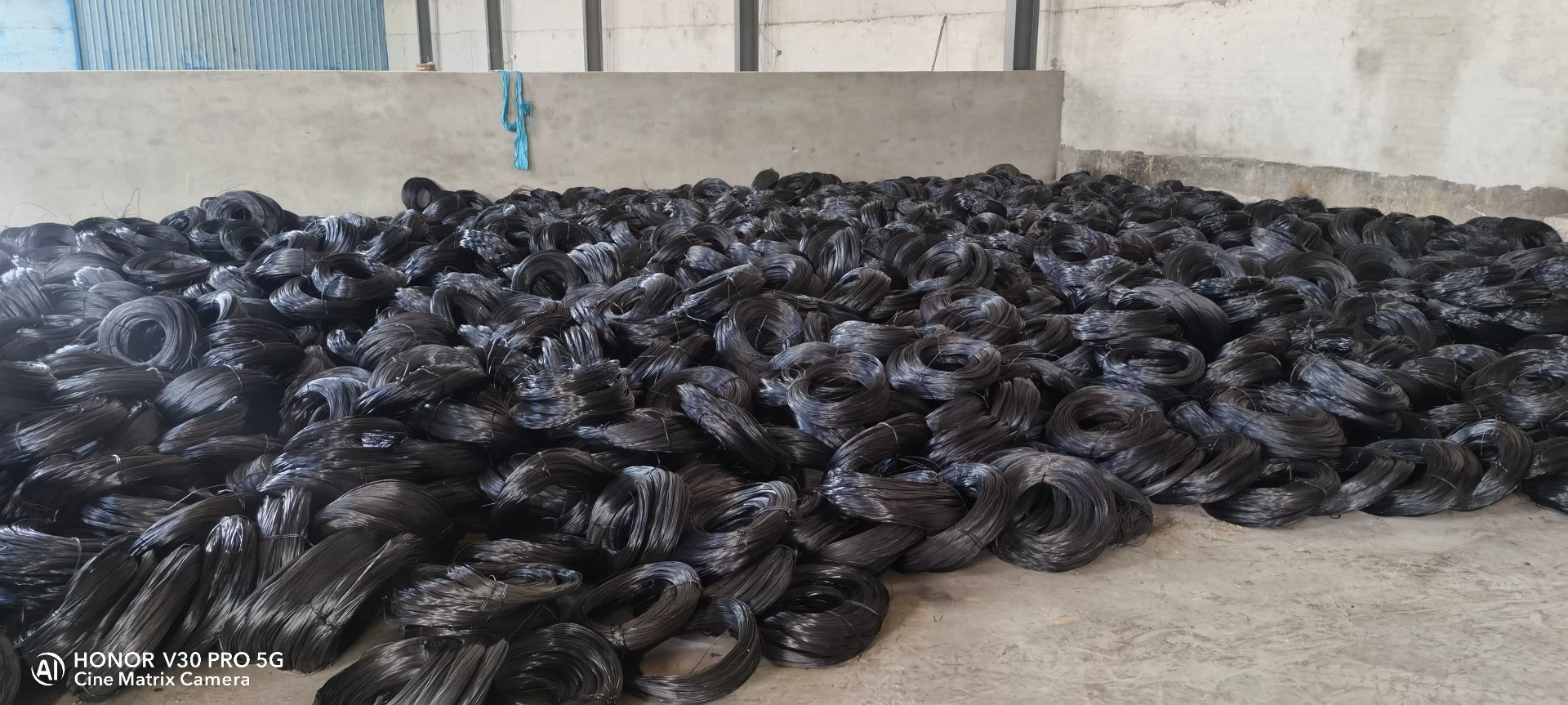
Common nails are predominantly manufactured from carbon steel, typically AISI/SAE 1008 or 1010. These steels offer a balance of strength, ductility, and cost-effectiveness. The raw material arrives in wire form, subject to stringent chemical composition verification to ensure adherence to specifications. Key physical properties of the steel wire include tensile strength (400-550 MPa), yield strength (220-350 MPa), and elongation (20-25%). Manufacturing commences with wire drawing to achieve the desired nail diameter, followed by heading – a cold-forming process where the wire is struck by dies to create the nail head. Critical parameters during heading include die pressure, feed rate, and lubrication (often utilizing soap-based compounds) to prevent galling and maintain dimensional accuracy. Subsequent pointing operations sharpen the nail tip for efficient penetration. Post-heading, nails may undergo surface treatment, such as galvanization (hot-dip or electro-galvanization) or coating with polymeric films, to enhance corrosion resistance. Quality control throughout the process involves dimensional checks (diameter, length, head size), hardness testing (Rockwell C scale), and periodic tensile testing to verify mechanical properties. Inconsistent lubrication during heading can lead to surface defects, while inadequate wire drawing can result in variations in nail diameter and compromised holding power. The steel's microstructure, primarily ferrite-pearlite, dictates its ductility and strength. Control of carbon content is vital; higher carbon content increases strength but reduces ductility, potentially leading to brittle fracture.
Performance & Engineering
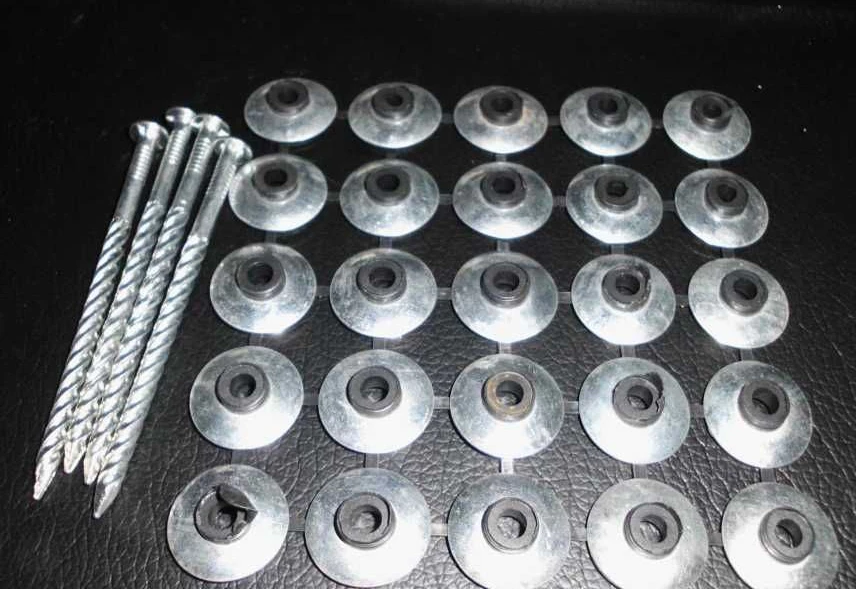
The performance of a common nail is fundamentally dictated by its ability to withstand shear and tensile forces. Shear strength, critical for resisting forces parallel to the nail shank, is largely determined by the nail’s cross-sectional area and the steel's shear modulus. Tensile strength, representing the nail's resistance to pulling forces, is directly related to the steel's ultimate tensile strength. Engineering calculations considering expected loads and wood species (density, grain orientation) are essential for selecting the appropriate nail size and type. Environmental resistance is a crucial consideration, especially for exterior applications. Corrosion initiates at surface defects or discontinuities in the galvanization layer. The rate of corrosion is accelerated by exposure to moisture, salt spray, and acidic environments. Nail bend resistance, a measure of its ability to resist deformation under lateral loads, is dependent on the steel’s yield strength and the nail’s geometry. Compliance requirements, such as those mandated by building codes (IBC, UBC) and industry standards, specify minimum nail dimensions, materials, and installation practices. For example, nail spacing and penetration depth are often prescribed to ensure adequate connection strength. Fatigue performance, while less critical for common nails than specialized fasteners, can be a concern in applications subject to repeated loading and unloading. Finite element analysis (FEA) can be employed to model nail behavior under various loading conditions and optimize nail design for specific applications. The nail's shank diameter and length are engineered to provide sufficient embedment depth for optimal holding power and resistance to pull-out.
Technical Specifications
| Diameter (Gauge) | Length (inches) | Shank Type | Coating | Minimum Tensile Strength (MPa) | Minimum Shear Strength (MPa) |
|---|---|---|---|---|---|
| 6d (2.38 mm) | 2.5 | Smooth | Bright (Uncoated) | 450 | 280 |
| 8d (3.33 mm) | 3.0 | Smooth | Bright (Uncoated) | 500 | 320 |
| 10d (4.19 mm) | 3.5 | Smooth | Bright (Uncoated) | 550 | 350 |
| 6d (2.38 mm) | 2.5 | Smooth | Hot-Dip Galvanized | 450 | 280 |
| 8d (3.33 mm) | 3.0 | Smooth | Hot-Dip Galvanized | 500 | 320 |
| 10d (4.19 mm) | 3.5 | Smooth | Hot-Dip Galvanized | 550 | 350 |
Failure Mode & Maintenance
Common nail failures manifest in several modes. Fatigue cracking can occur under cyclical loading, initiating at stress concentrations around the nail head or point. Bending failure results from exceeding the nail’s yield strength, causing permanent deformation or breakage. Pull-out failure occurs when the nail loses its grip on the wood, often due to insufficient embedment depth or wood degradation. Shear failure happens when the shear stress exceeds the nail’s shear strength, typically in skewed loading scenarios. Corrosion is a prevalent failure mechanism, particularly for uncoated nails, leading to material loss and reduced strength. Galvanic corrosion can accelerate this process when dissimilar metals are in contact. Maintenance is typically limited to inspection for corrosion or bending. For exterior applications, periodic assessment of nail condition and replacement of corroded nails are recommended. Application of protective coatings to the surrounding wood can help mitigate corrosion. Preventing wood rot, a common precursor to nail failure, is crucial through proper ventilation and moisture control. When removing corroded nails, careful extraction techniques are necessary to avoid damaging the surrounding wood. Use of nail pullers designed to minimize wood splitting is advised. Proper nail selection for the intended application, considering the wood species, expected loads, and environmental conditions, is the most effective preventative measure against premature failure.
Industry FAQ
Q: What is the difference between bright nails and galvanized nails, and when should each be used?
A: Bright nails are uncoated, offering lower cost but limited corrosion resistance. They are suitable for interior, dry applications where corrosion is not a concern, such as furniture construction. Galvanized nails are coated with zinc, providing significant corrosion protection. They are essential for exterior applications, pressure-treated lumber, or any environment exposed to moisture and corrosive elements. The choice depends entirely on the environmental conditions and the longevity required of the connection.
Q: How does nail gauge affect holding power?
A: Nail gauge (diameter) directly influences holding power. A higher gauge number indicates a thinner nail, resulting in lower shear and tensile strength. Conversely, a lower gauge number signifies a thicker nail with greater strength. Selecting the appropriate gauge is critical, balancing strength requirements with the risk of splitting the wood. Generally, thicker nails provide superior holding power but require greater force to drive and may be more prone to splitting thinner wood.
Q: What is the impact of wood species on nail holding power?
A: Wood species significantly impact nail holding power due to variations in density, grain orientation, and fiber structure. Denser hardwoods typically offer greater holding power than softer woods. Nail placement relative to the grain is also crucial; nails driven perpendicular to the grain provide maximum holding power. Knots and other wood defects can reduce holding power by creating stress concentrations and weakening the wood fibers around the nail.
Q: What are the common causes of nail bending, and how can it be prevented?
A: Nail bending typically occurs due to excessive lateral force or insufficient nail rigidity. Using nails that are too small in diameter for the application or driving nails into very hard wood can contribute to bending. Preventative measures include selecting nails with appropriate diameter and shank length, ensuring proper driving angle, and pre-drilling pilot holes in hardwoods to reduce driving resistance. Also, avoid applying excessive lateral force during installation.
Q: What quality control measures should be in place during nail manufacturing?
A: Robust quality control should encompass several stages. Incoming wire inspection verifies chemical composition and mechanical properties. Dimensional checks during heading and pointing ensure accurate nail geometry. Hardness testing confirms the steel’s heat treatment. Periodic tensile and shear testing validates mechanical performance. Surface finish inspection detects defects in galvanization. Statistical process control (SPC) is essential for monitoring process variability and identifying potential issues before they lead to non-conforming products.
Conclusion
Common nails, despite their apparent simplicity, represent a sophisticated product governed by stringent material science and manufacturing principles. Understanding the interplay between steel composition, production processes, and performance characteristics is paramount for selecting nails suitable for diverse applications. Addressing industry pain points, particularly concerning quality inconsistencies and corrosion resistance, requires a commitment to rigorous quality control and appropriate coating selection. Proper nail selection, installation techniques, and periodic maintenance are critical for ensuring long-term structural integrity and preventing premature failure.
Future advancements in nail technology may focus on developing more durable coatings, optimizing nail geometry for enhanced holding power, and integrating sensor technology for real-time monitoring of nail stress and corrosion. Adherence to established industry standards and continuous improvement in manufacturing processes will remain essential for maintaining the reliability and safety of nailed connections in construction and industrial applications.