



Introduction
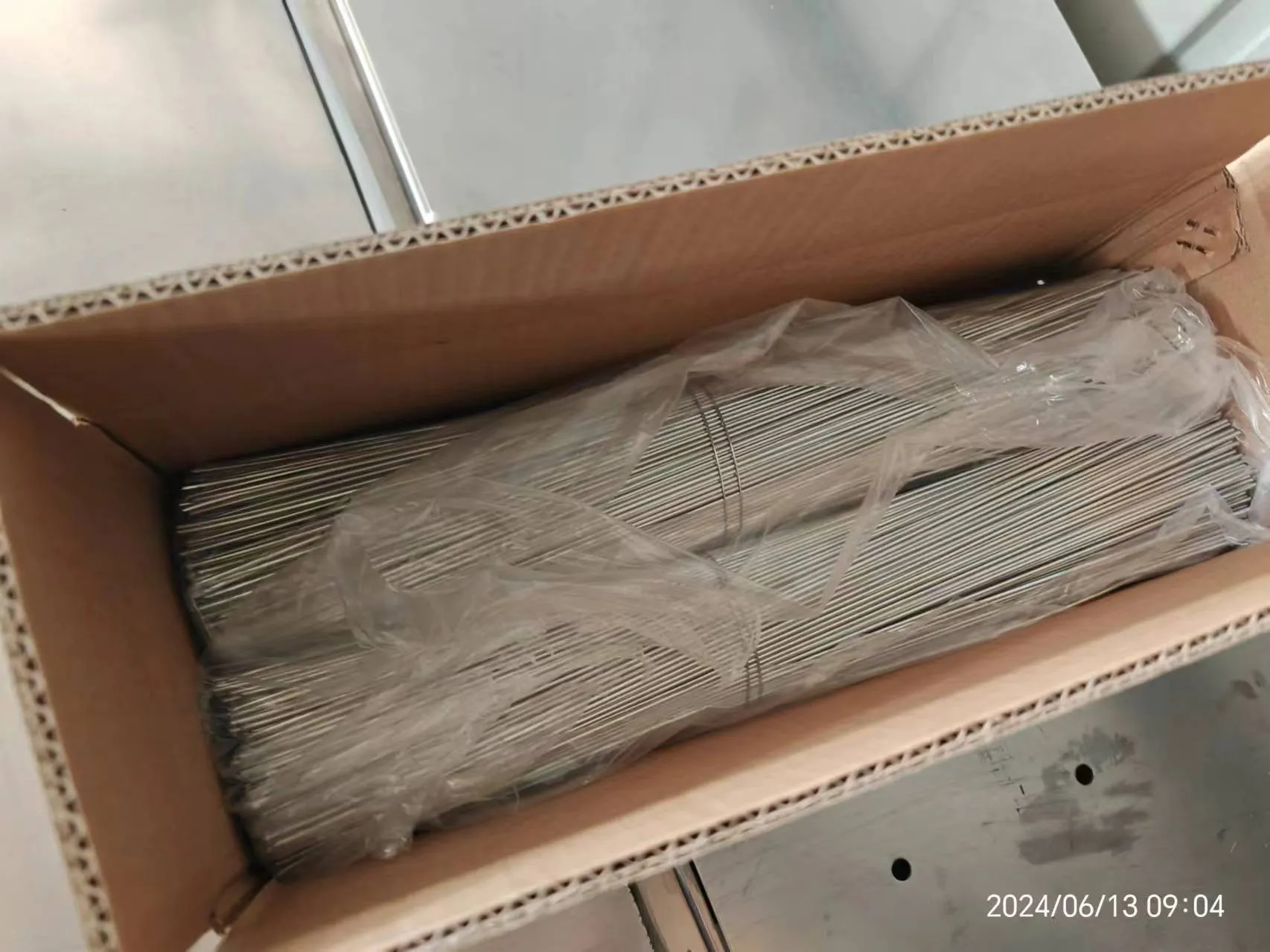
The common nail, a fundamental fastener in construction, woodworking, and various manufacturing processes, represents a deceptively simple technology with a long history. Positioned at the base of numerous structural applications, its primary function is to mechanically join materials, typically wood, through shear resistance. The common nail derives its fastening power from friction created by deformation of both the nail and the surrounding material. Unlike more sophisticated fasteners like screws or bolts, common nails lack helical threads or complex head geometries, relying instead on a straightforward shank and head design. Core performance metrics for common nails revolve around shear strength, tensile strength, bend resistance, and holding power, directly impacting the integrity and longevity of assembled structures. Variations exist primarily in size (length and gauge) and material composition, influencing suitability for specific applications and wood species. Understanding these nuances is critical for ensuring structural stability and preventing premature failure.
Material Science & Manufacturing
Common nails are predominantly manufactured from low-carbon steel, specifically SAE 1008 or equivalent. This steel composition offers a balance of ductility and strength, allowing the nail to deform without fracturing during hammering. The raw material typically arrives at the manufacturing facility in the form of wire rod. Key physical properties of the steel include a tensile strength ranging from 60,000 to 80,000 psi, a yield strength of approximately 30,000 to 40,000 psi, and a Rockwell hardness (C scale) between 30 and 40. Manufacturing begins with the wire drawing process, reducing the diameter of the wire rod to the desired nail gauge. Following wire drawing, the wire is fed into a nail-making machine. This machine performs several key operations: heading (forming the nail head), pointing (creating the nail point), and sometimes, coating. The heading process utilizes a die and punch system to upset the end of the wire, creating the head. Pointing involves forcing the opposite end of the wire through a die to create a sharp, tapered point. Surface coatings, such as galvanization (zinc coating) or electroplating, are applied to enhance corrosion resistance. Parameter control is critical throughout the process; wire tension, die speed, and heading force directly impact nail dimensions and mechanical properties. Inconsistent parameters lead to variations in head size, point sharpness, and ultimately, nail performance. The quality of the steel feedstock, including its carbon content and presence of impurities, also significantly influences the final product’s integrity.
Performance & Engineering
The performance of a common nail is fundamentally governed by principles of shear and tensile stress. When subjected to shear forces, the nail resists deformation by relying on the friction between its shank and the surrounding wood fibers. Higher friction coefficients translate to greater shear resistance. The nail’s shank diameter is the primary determinant of shear strength. Tensile forces are experienced when the nail is pulled directly out of the wood. Holding power, which represents resistance to pull-out, is influenced by several factors, including nail length, shank diameter, wood density, and the angle of withdrawal. Engineering calculations related to nail performance often involve analyzing bending moments and shear stresses at the nail-wood interface. Environmental resistance is a critical consideration. Exposure to moisture, particularly in outdoor applications, can lead to corrosion of uncoated steel nails, reducing their strength and longevity. Galvanization provides a protective barrier against corrosion, but even galvanized nails can eventually succumb to environmental degradation over extended periods. Compliance requirements vary depending on the application. For structural applications, nails may need to meet standards set by building codes and engineering organizations, dictating minimum shear strength, bend resistance, and coating thickness requirements. Furthermore, the wood species being fastened impacts performance; harder woods require higher insertion forces and may necessitate larger diameter nails to achieve comparable holding power.
Technical Specifications
| Nail Diameter (Gauge) | Nail Length (inches) | Shear Strength (lbs) | Tensile Strength (lbs) |
|---|---|---|---|
| 6d (0.113 inch) | 2.0 inches | 600 | 450 |
| 8d (0.131 inch) | 2.5 inches | 850 | 650 |
| 10d (0.148 inch) | 3.0 inches | 1100 | 850 |
| 12d (0.162 inch) | 3.5 inches | 1400 | 1050 |
| 16d (0.196 inch) | 4.0 inches | 1800 | 1400 |
| 20d (0.230 inch) | 5.0 inches | 2400 | 1800 |
Failure Mode & Maintenance
Common nails are susceptible to several failure modes. Shear failure occurs when the force applied exceeds the nail’s shear strength, causing it to break at the shank. Tensile failure, or pull-out, results from insufficient holding power, allowing the nail to be withdrawn from the wood. Bending failure occurs when the nail is subjected to excessive bending stress, leading to plastic deformation or fracture. Corrosion is a long-term degradation mechanism, particularly for uncoated nails. Rust weakens the nail, reducing its cross-sectional area and ultimately leading to brittle failure. Fatigue cracking can also occur in applications subject to cyclical loading, even if the applied stress is below the nail’s yield strength. Proper maintenance to mitigate failure involves periodic inspection for corrosion and replacement of damaged nails. In outdoor applications, using corrosion-resistant coatings (galvanization or stainless steel) is crucial. Ensuring correct nail size and gauge for the application is paramount; undersized nails are more prone to bending and pull-out, while oversized nails can split the wood. Avoiding excessive hammering force prevents nail bending and deformation. Pre-drilling pilot holes in hardwoods can reduce splitting and facilitate nail insertion, minimizing stress on the nail during installation. Correct nail spacing is also important; closely spaced nails provide greater shear resistance but can increase the risk of wood splitting.
Industry FAQ
Q: What is the impact of wood density on the holding power of a common nail?
A: Wood density is a significant factor. Denser hardwoods offer greater resistance to nail withdrawal compared to softer woods. The increased fiber density provides more friction along the nail shank, enhancing holding power. Therefore, the same nail will generally exhibit higher pull-out resistance in oak versus pine.
Q: How does nail galvanization contribute to corrosion resistance, and what are its limitations?
A: Galvanization applies a zinc coating to the nail, creating a sacrificial layer that corrodes preferentially to the steel. This protects the underlying steel from rust. However, galvanization is not a permanent solution. Over time, particularly in highly corrosive environments (e.g., saltwater exposure), the zinc layer will deplete, and corrosion will eventually begin to affect the steel.
Q: What is the difference between 'clinched' nails and standard nails in terms of holding power?
A: Clinching involves bending over the nail point after it has been driven into the wood. This creates a mechanical lock, significantly increasing resistance to pull-out. Clinched nails offer substantially higher holding power than standard nails, particularly in applications where tensile forces are dominant.
Q: What considerations should be made when selecting nail length for a specific application?
A: Nail length should be at least three times the thickness of the material being fastened. Sufficient nail penetration into the second material is critical for developing adequate holding power. Insufficient length results in reduced pull-out resistance and potential joint failure.
Q: What are the common causes of nail bending during installation, and how can they be prevented?
A: Nail bending is often caused by hitting the nail at an angle, encountering knots or irregularities in the wood, or using excessive hammering force. Preventative measures include ensuring a straight hammering path, pre-drilling pilot holes in hardwoods, and using a hammer with appropriate weight and balance. Employing a nail set can also help prevent bending when driving nails flush with the surface.
Conclusion
The common nail, despite its apparent simplicity, embodies a complex interplay of material science, manufacturing precision, and engineering principles. Its performance is dictated by factors such as steel composition, shank geometry, corrosion resistance, and the characteristics of the materials being joined. Understanding these nuances is essential for ensuring the structural integrity and longevity of any construction or assembly utilizing this ubiquitous fastener. The selection of the appropriate nail gauge and length, coupled with proper installation techniques, remains critical to maximizing its holding power and preventing premature failure.
Future developments may focus on enhancing nail coatings for improved corrosion resistance, exploring alternative materials beyond steel, and optimizing shank designs to further increase shear and tensile strength. The continued refinement of common nail technology, even in incremental steps, will contribute to more durable and reliable structures across a wide range of industries. The enduring relevance of this humble fastener underscores its importance as a cornerstone of modern construction and manufacturing.