



Introduction
Common nails, a fundamental fastening element in construction and woodworking, represent a significant commodity within the broader building materials industry. Their price is influenced by a complex interplay of factors, including raw material costs (steel wire), manufacturing processes, surface coating applications, and prevailing market dynamics. This guide provides a detailed technical overview of common nails, encompassing material science, manufacturing techniques, performance characteristics, potential failure modes, and relevant industry standards, all contextualized by considerations influencing their price. The nail’s performance is dictated by its wire gauge, length, and head style, demanding precise control during production. Understanding these elements is crucial for procurement managers and engineers to optimize material selection and cost-effectiveness in their respective applications. This document will dissect the factors affecting pricing from material sourcing to finished product, providing a comprehensive perspective for informed decision-making.
Material Science & Manufacturing
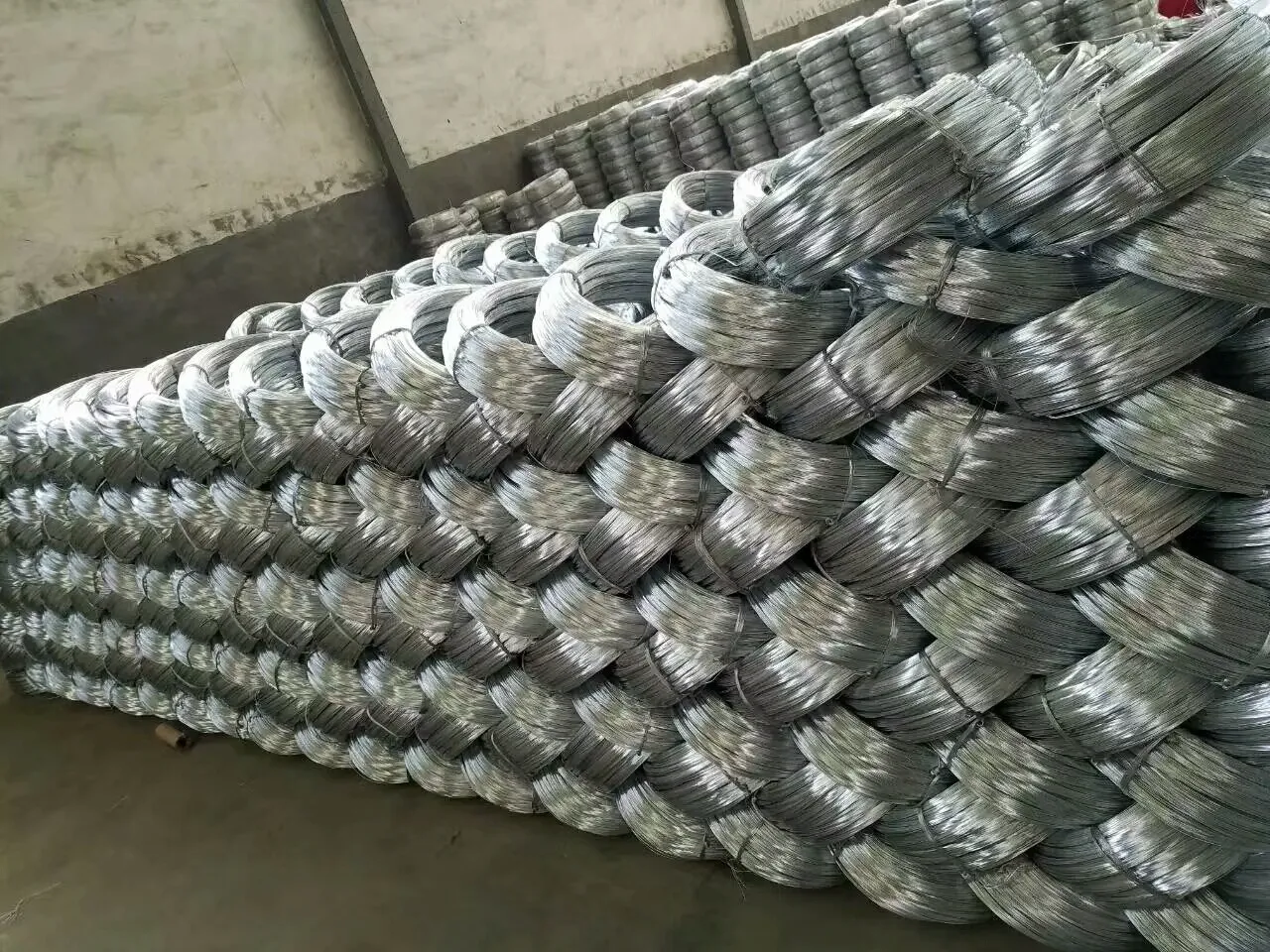
Common nails are primarily manufactured from low carbon steel wire, typically SAE 1008 or similar grades. The steel’s composition dictates its ductility, tensile strength, and weldability – crucial properties for nail formation and application. Raw material quality directly impacts nail price. The manufacturing process begins with wire drawing, reducing the steel wire’s diameter to the desired gauge. This process induces work hardening, increasing tensile strength but decreasing ductility, which necessitates annealing to restore malleability. Following annealing, the wire is fed into a nail-making machine, which performs heading (forming the nail head), pointing (sharpening the nail point), and optionally coating. Coating materials include bright basic zinc chloride, electrogalvanization, and hot-dip galvanization. Hot-dip galvanization provides superior corrosion resistance but adds significantly to the production cost, and therefore, the nail price. Parameter control during wire drawing – reduction rate, die lubrication, and temperature – is paramount to ensure uniform wire diameter and surface finish. Heading parameters, including heading speed and die profile, influence head shape and size. The quality of the steel wire, the precision of the forming process, and the application of consistent, high-quality coatings are the primary factors determining the final product's durability and, consequently, its market price.
Performance & Engineering
The performance of common nails is primarily evaluated based on their shear strength, bending strength, and withdrawal resistance. Shear strength, the force required to shear the nail shank, is directly proportional to the steel’s tensile strength and the nail’s shank diameter. Bending strength, the nail's resistance to bending forces, is determined by the steel’s ductility and the nail’s cross-sectional geometry. Withdrawal resistance, the force needed to pull the nail out of the wood, is influenced by the nail’s shank diameter, length, and the wood's density. Engineering calculations for nail connections involve force analysis considering shear, tension, and bending stresses. Corrosion resistance is another critical performance parameter, especially in outdoor applications. Galvanized coatings provide cathodic protection, sacrificing themselves to protect the underlying steel. However, the coating’s thickness and uniformity are crucial; thinner or uneven coatings offer limited protection. Environmental resistance factors, like exposure to salt spray or acidic conditions, significantly degrade performance, leading to corrosion and reduced holding power. Compliance requirements, such as those stipulated by building codes and construction standards, dictate minimum performance requirements for nails used in specific applications. The choice of nail diameter and length is governed by the load-bearing capacity of the connection and the wood species being used.
Technical Specifications
| Nail Diameter (Gauge) | Nail Length (inches) | Tensile Strength (MPa) | Coating Type |
|---|---|---|---|
| 8d (3.3 mm) | 2.5 | 400-550 | Bright Basic Zinc Chloride |
| 10d (4.2 mm) | 3.0 | 400-550 | Electrogalvanized |
| 12d (4.8 mm) | 3.5 | 400-550 | Hot-Dip Galvanized |
| 16d (5.5 mm) | 4.0 | 400-550 | Bright Basic Zinc Chloride |
| 20d (6.3 mm) | 4.5 | 400-550 | Electrogalvanized |
| 30d (8.9 mm) | 5.5 | 400-550 | Hot-Dip Galvanized |
Failure Mode & Maintenance
Common nails are susceptible to several failure modes, including bending, shear failure, withdrawal, and corrosion. Bending typically occurs when the nail is subjected to excessive lateral forces, exceeding its bending strength. Shear failure occurs when the nail is subjected to forces parallel to its shank, exceeding its shear strength. Withdrawal failure occurs when the nail loses its grip on the wood due to insufficient friction or wood degradation. Corrosion, particularly in untreated nails, leads to weakening of the shank and eventual failure. Fatigue cracking can also occur under cyclic loading, initiating at stress concentrations around the nail head or point. Maintenance is generally limited to preventative measures, such as using corrosion-resistant coatings in exposed environments. Regular inspection of nail connections, particularly in critical structural applications, can help identify signs of corrosion or damage. For galvanized nails, maintaining the integrity of the coating is vital. Avoiding contact with dissimilar metals can minimize galvanic corrosion. If corrosion is detected, replacement of the affected nails is recommended. Proper storage of nails in a dry environment can prevent premature corrosion before installation. Addressing these failure modes requires careful material selection, appropriate coating application, and diligent inspection.
Industry FAQ
Q: What is the impact of steel price fluctuations on common nail pricing?
A: Steel constitutes the majority of a common nail's material cost. Significant increases in steel prices, driven by global demand, supply chain disruptions, or trade tariffs, directly translate to higher nail prices. Manufacturers often implement surcharges to account for these fluctuations, and this is typically reflected in quoted prices.
Q: How does the thickness of galvanization affect corrosion resistance and price?
A: Thicker galvanization provides superior corrosion resistance but also increases the cost of production due to higher zinc consumption and more complex manufacturing processes. Nails with thicker galvanization command a premium price, especially for applications in harsh environments.
Q: What are the cost implications of different nail head styles (e.g., flat head, round head)?
A: While the material cost difference is minimal, head style affects manufacturing complexity. Specialized head styles often require additional tooling and slower production speeds, contributing to a slight increase in price compared to standard flat-head nails.
Q: How do bulk order quantities influence the price per nail?
A: Manufacturers offer volume discounts to incentivize large orders. The price per nail decreases as the order quantity increases, due to economies of scale in production and logistics. Negotiating favorable pricing typically requires committing to substantial purchase volumes.
Q: What is the difference in pricing between domestically produced nails and imported nails?
A: Import duties, transportation costs, and currency exchange rates influence the price difference. While imported nails may sometimes offer lower unit costs, factors like lead times, quality control, and potential supply chain disruptions should be carefully considered.
Conclusion
Common nail pricing is a multifaceted issue dictated by raw material costs, manufacturing processes, coating applications, and market dynamics. Understanding the interplay of these factors is crucial for procurement professionals aiming for cost-effectiveness. The choice between different coating types – bright basic zinc chloride, electrogalvanization, and hot-dip galvanization – represents a trade-off between corrosion resistance and price. Careful consideration of application requirements and environmental conditions is vital for selecting the appropriate nail type and optimizing value.
Future trends in the common nail industry will likely focus on sustainable manufacturing practices, including the use of recycled steel and environmentally friendly coatings. Advancements in automation and process control will further enhance production efficiency and potentially reduce costs. Furthermore, the increasing demand for corrosion-resistant fasteners will drive innovation in coating technologies and materials. Staying abreast of these developments will be essential for maintaining a competitive edge in the market.