



Introduction
Common nails represent a fundamental fastening element in construction, woodworking, and various assembly applications. Positioned as a commodity material within the broader fastener industry, they serve as a primary joining method for wood, composites, and occasionally, softer metals. This technical guide provides an in-depth analysis of common nail manufacturing, material properties, performance characteristics, potential failure modes, and relevant industry standards. Unlike specialized fasteners like screws or bolts, common nails rely on friction and displacement for holding power, making understanding their limitations and appropriate applications critical. The core performance characteristics of common nails are defined by their shear strength, bending resistance, and withdrawal force capacity, all directly influenced by material composition, shank geometry, and head design. A significant industry pain point centers around inconsistent nail quality impacting project timelines and structural integrity, particularly when sourcing from less-established suppliers.
Material Science & Manufacturing
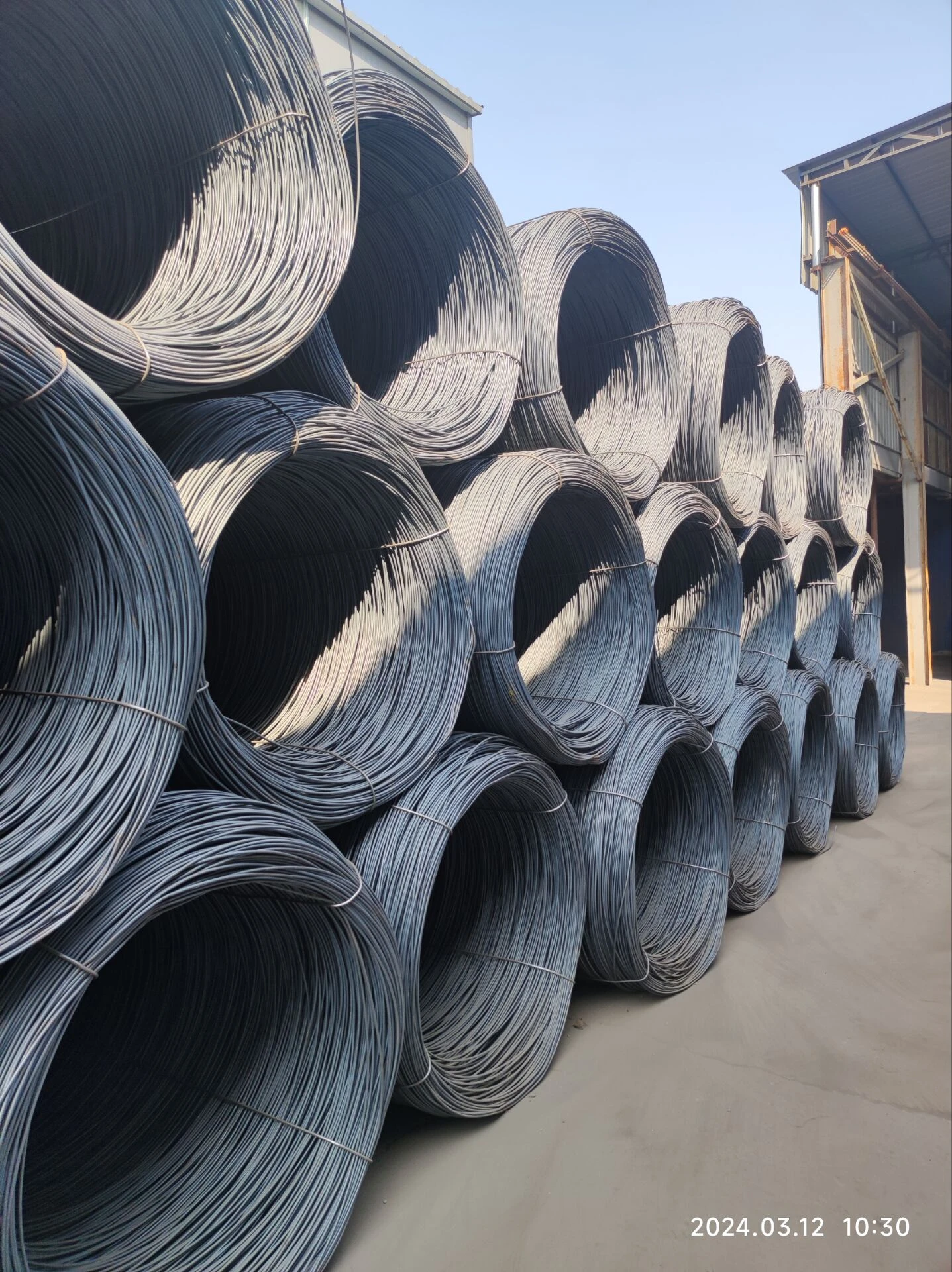
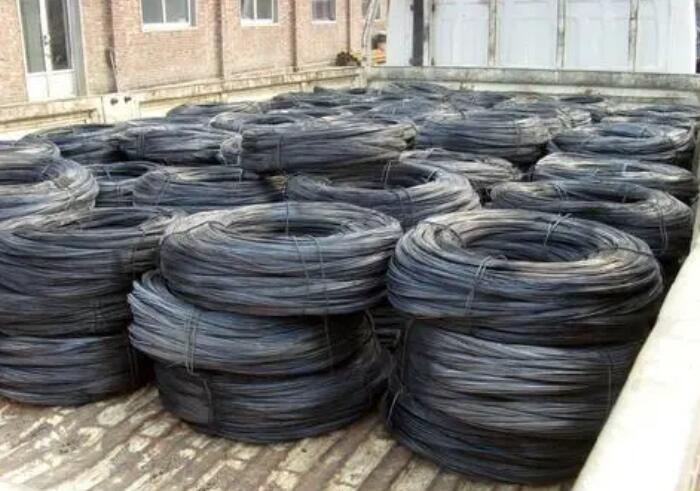
Common nails are predominantly manufactured from low carbon steel wire, typically SAE 1008 to 1018. This steel grade offers a balance of ductility, strength, and cost-effectiveness. The raw material undergoes a series of processes beginning with steel billet production, followed by wire drawing to achieve the desired gauge. Critical material properties include tensile strength (typically 400-600 MPa), yield strength (200-350 MPa), and elongation (15-25%). Manufacturing involves cold heading, where the wire is fed into a machine that forms the head. Precise die control is crucial to ensure consistent head diameter and shape. Following heading, nails may undergo a surface treatment such as galvanization (zinc coating) or electroplating to enhance corrosion resistance. The galvanization process, whether batch or continuous, requires careful monitoring of zinc bath composition and coating thickness to meet standards. Quality control during manufacturing includes regular checks of wire diameter, head dimensions, nail length, and hardness. Improper annealing or quenching during the wire drawing process can lead to internal stresses and brittleness, resulting in premature failure. Shank surface finish impacts friction coefficient and withdrawal resistance. Nail point grinding or sharpening is performed to facilitate penetration and reduce wood splitting.
Performance & Engineering
The performance of common nails is fundamentally governed by mechanical principles. Shear strength is paramount, particularly in applications where lateral forces are present. Bending resistance dictates the nail's ability to withstand deflection without fracturing. Withdrawal force, the amount of force required to pull the nail from the material, depends on nail diameter, length, and the density of the wood. Engineering calculations for nail spacing and penetration depth are vital for ensuring structural integrity. The American Wood Council (AWC) publishes design values for nail withdrawal resistance and shear capacity based on wood species and nail size. Environmental resistance is a key consideration; nails are susceptible to corrosion, particularly in humid or marine environments. Galvanization provides a sacrificial layer of zinc, protecting the steel substrate. However, over time, the zinc coating will corrode, especially in acidic conditions. Load duration is also crucial. Sustained loads can lead to creep and eventual nail loosening. Compliance requirements dictate nail standards based on application. For example, nails used in critical structural applications must meet specific ASTM standards for material composition and mechanical properties. The nail shank's geometry (smooth vs. ring shank) significantly influences withdrawal resistance, with ring shanks providing enhanced holding power due to increased friction.
Technical Specifications
| Nail Diameter (Gauge) | Nail Length (inches) | Head Diameter (inches) | Shear Strength (psi) |
|---|---|---|---|
| 6d (0.113") | 2.5" | 0.375" | 650 |
| 8d (0.131") | 3.0" | 0.438" | 800 |
| 10d (0.148") | 3.5" | 0.475" | 950 |
| 12d (0.162") | 4.0" | 0.500" | 1100 |
| 16d (0.196") | 5.0" | 0.562" | 1350 |
| 20d (0.220") | 6.0" | 0.625" | 1600 |
Failure Mode & Maintenance
Common nail failures typically manifest as bending, shear fracture, or withdrawal. Bending failure occurs when the nail is subjected to excessive lateral force, exceeding its yield strength. Shear fracture occurs when the nail is loaded in shear, particularly if the material surrounding the nail is weak. Withdrawal failure results from the nail losing its grip on the material, often due to cyclic loading or environmental factors. Corrosion is a significant contributor to failure, weakening the nail shank and reducing its load-bearing capacity. Fatigue cracking can occur under repeated loading, initiating at stress concentrations near the nail head or point. Delamination of the wood surrounding the nail can also lead to failure, reducing the effective bearing area. Maintenance primarily focuses on preventative measures. Regularly inspecting structures for signs of corrosion or nail loosening is crucial. Replacing corroded or damaged nails promptly can prevent catastrophic failures. Applying protective coatings to the wood can mitigate corrosion. Avoiding excessive nailing density can reduce wood splitting and enhance holding power. Ensuring proper nail penetration depth is essential for maximizing withdrawal resistance. For galvanized nails, periodic application of a zinc-rich primer to exposed surfaces can extend their service life.
Industry FAQ
Q: What is the impact of wood moisture content on nail holding power?
A: Wood moisture content significantly affects nail holding power. As wood dries, it shrinks, increasing the pressure on the nail shank and enhancing withdrawal resistance. Conversely, wet wood swells, reducing pressure and decreasing holding power. Therefore, using nails in properly dried lumber is crucial for long-term performance.
Q: What is the difference between smooth shank and ring shank nails, and when should each be used?
A: Smooth shank nails are general-purpose fasteners suitable for applications where high withdrawal resistance is not critical. Ring shank nails have ridges or rings along the shank, increasing friction and providing significantly greater holding power, making them ideal for applications subject to vibration or dynamic loads.
Q: How does the galvanization process affect the long-term performance of nails?
A: Galvanization provides a sacrificial zinc coating that protects the steel nail from corrosion. However, the rate of zinc corrosion depends on environmental factors such as humidity, salinity, and acidity. Thicker zinc coatings provide longer-lasting protection. Over time, the zinc layer will deplete, and the steel will begin to corrode.
Q: What are the key considerations when selecting nail size for a specific application?
A: Nail size should be selected based on the thickness of the materials being joined and the anticipated loads. Generally, nails should penetrate at least two-thirds of the way through the receiving member. Thicker materials and higher loads require larger diameter and longer nails. Consult relevant building codes and engineering guidelines for specific recommendations.
Q: What causes nail bending and how can it be prevented?
A: Nail bending is typically caused by excessive lateral force or insufficient nail diameter. Using a larger diameter nail, ensuring proper nail alignment during installation, and avoiding excessive force can prevent bending. Also, ensuring the wood is free from knots or defects that could create stress concentrations is important.
Conclusion
Common nails, despite their apparent simplicity, are critical components in a vast range of construction and assembly applications. Understanding their material science, manufacturing processes, performance characteristics, and potential failure modes is essential for ensuring structural integrity and longevity. Careful consideration of factors such as wood species, moisture content, loading conditions, and environmental exposure is paramount for selecting the appropriate nail size and type.
Continued advancements in coating technologies and steel alloys promise to enhance the corrosion resistance and mechanical properties of common nails. Further research into nail shank geometry and innovative fastening techniques will likely lead to improved holding power and reduced failure rates. Maintaining adherence to established industry standards (ASTM, ISO) is crucial for ensuring consistent quality and reliable performance.