



Introduction
Common wire nails represent a foundational fastening element in construction, woodworking, and general assembly applications. Positioned within the broader fastener industry – encompassing screws, bolts, rivets, and adhesives – wire nails hold significance due to their cost-effectiveness, ease of installation (particularly with pneumatic nailers), and sufficient holding power for many non-structural applications. Their manufacture is a high-volume, relatively low-margin business, driving constant pressure for material optimization and process efficiency. Core performance characteristics are defined by gauge (diameter), length, shank type (smooth, ring, screw), and head style (flat, countersunk). Understanding these variables, coupled with the underlying material science and manufacturing processes, is critical for specifying the appropriate nail for a given application and anticipating long-term performance. This guide provides an in-depth analysis of common wire nails, covering material science, manufacturing, performance, failure modes, and relevant industry standards, focusing on practical considerations for engineers, procurement managers, and quality control personnel.
Material Science & Manufacturing
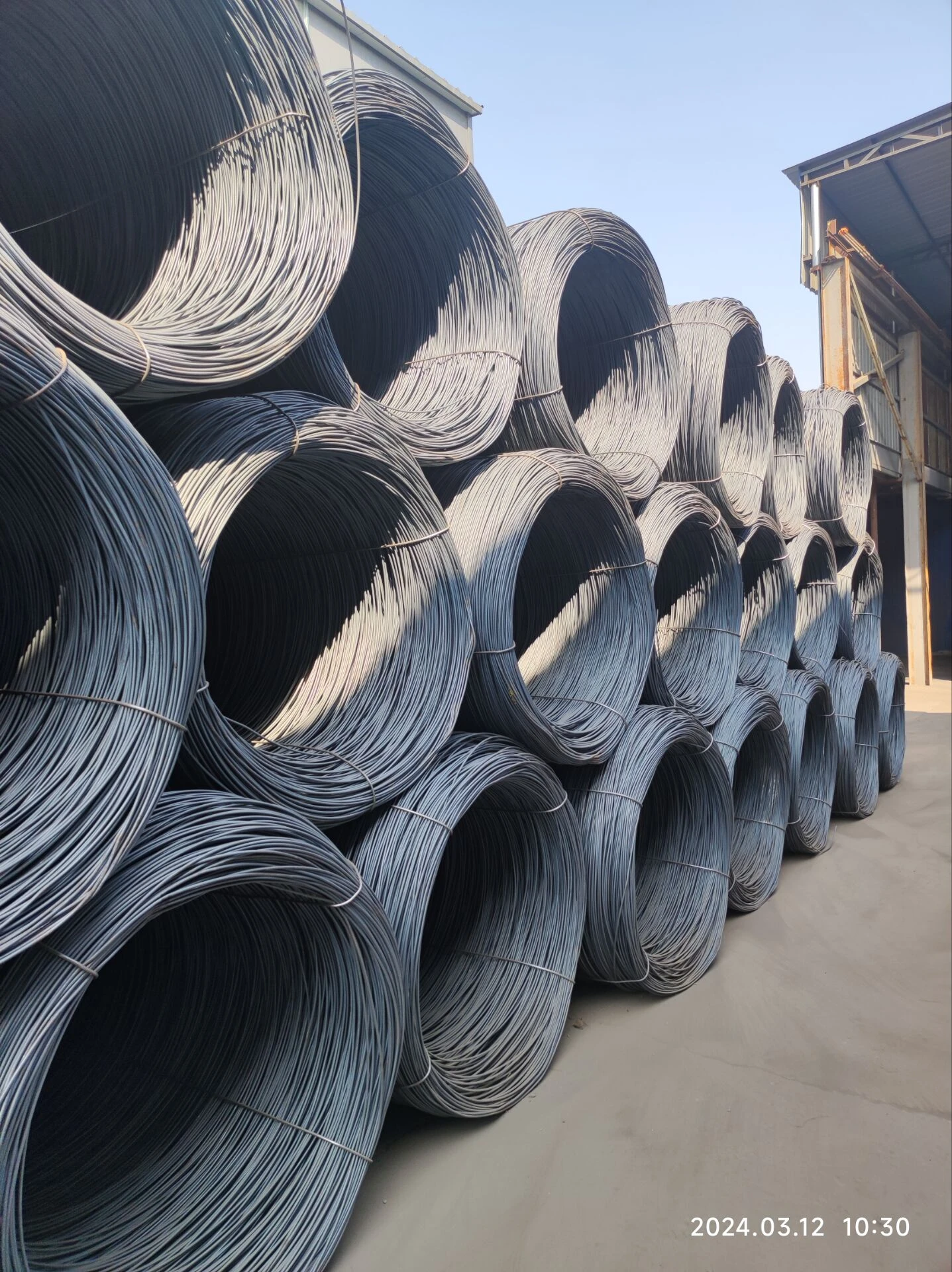
The vast majority of common wire nails are manufactured from low-carbon steel wire, typically SAE 1008 or similar grades. This steel provides a balance of ductility (allowing the nail to bend without fracturing during driving) and tensile strength (resisting pull-out forces). The raw material is produced through hot rolling and subsequent wire drawing processes to achieve the desired gauge. Key physical properties include a tensile strength ranging from 600-800 MPa, a yield strength of 200-300 MPa, and an elongation percentage of 15-25%. Chemical composition is primarily iron, with carbon content typically below 0.10%, and trace amounts of manganese, phosphorus, and sulfur. Manufacturing begins with coil unwinding and straightening of the steel wire. The wire is then fed into a nail-making machine, which performs heading (forming the head), pointing (sharpening the tip), and cutting to length operations. Critical parameters during manufacturing include die alignment (to ensure concentricity and prevent bending), heading pressure (to form a robust head without cracking), and cutting speed (to minimize burr formation). Surface treatments, such as galvanization (zinc coating) or electroplating, are commonly applied to enhance corrosion resistance. The galvanization process itself requires careful control of zinc bath temperature and immersion time to achieve a consistent coating thickness and adhesion. Improper galvanization can lead to premature corrosion and nail failure. The quality of the steel wire itself, measured by its consistency in diameter, surface finish, and chemical composition, has a significant impact on the final product’s performance and reliability.
Performance & Engineering
The performance of a wire nail is fundamentally governed by its ability to resist shear and tensile forces. Shear resistance, crucial for preventing sideways movement and joint separation, is directly related to the nail’s shank diameter and the wood's density. Tensile resistance, vital for preventing pull-out, is influenced by nail length, shank type (ring shank nails offer significantly higher pull-out resistance due to mechanical interlocking with the wood fibers), and the wood’s specific gravity. Force analysis requires consideration of the applied load, the angle of force application, and the material properties of both the nail and the substrate. Environmental resistance is a critical performance aspect. Exposure to moisture, temperature fluctuations, and corrosive agents can accelerate nail degradation. Galvanization provides a sacrificial protective layer, but its effectiveness diminishes over time, particularly in harsh environments. The choice of coating (e.g., bright basic zinc coating, hot-dip galvanization, phosphate coating) depends on the intended application and exposure conditions. Compliance requirements vary depending on the end-use application. For structural applications, nails must meet the requirements of building codes and relevant standards (discussed in the footer). Engineering considerations also include nail spacing, edge distance, and penetration depth. Insufficient penetration reduces holding power, while excessive penetration can weaken the wood. Shank design impacts driving performance and holding power. Smooth shank nails are easier to drive but offer lower holding power compared to ring or screw shank nails. The head style also influences performance; flat heads provide a larger bearing surface, distributing the load more effectively, while countersunk heads allow for a flush finish.
Technical Specifications
| Gauge (Diameter) | Length (inches) | Shank Type | Head Type |
|---|---|---|---|
| 6d (0.113 inch) | 2.5 inches | Smooth | Flat |
| 8d (0.131 inch) | 3.0 inches | Ring | Flat |
| 10d (0.148 inch) | 3.5 inches | Screw | Flat |
| 12d (0.162 inch) | 4.0 inches | Smooth | Countersunk |
| 16d (0.196 inch) | 4.5 inches | Ring | Flat |
| 20d (0.220 inch) | 5.0 inches | Screw | Flat |
Failure Mode & Maintenance
Common failure modes for wire nails include bending, shear failure, pull-out, and corrosion. Bending typically occurs during installation due to excessive force or encountering knots in the wood. Shear failure happens when the nail is subjected to excessive sideways force, exceeding its shear strength. Pull-out is common with smooth shank nails, particularly in softwoods, and can be mitigated by using ring or screw shank nails. Corrosion, particularly in untreated or inadequately galvanized nails, leads to weakening of the nail material and eventual failure. Fatigue cracking can occur in applications subjected to cyclical loading, leading to gradual weakening and eventual breakage. Failure analysis should begin with visual inspection to identify the failure mode. If corrosion is suspected, microscopic examination of the fracture surface can reveal the extent of material degradation. Preventive maintenance, although limited for installed nails, focuses on proper selection of nail type and coating for the intended environment. For storage, nails should be kept in a dry environment to prevent corrosion. Regular inspection of nail connections in critical applications is recommended to identify early signs of failure. If failures are frequent, a review of the installation process and nail specifications is warranted. Consideration should be given to upgrading to higher-grade nails or alternative fastening methods if the application demands greater reliability. Proper nail gun maintenance, including regular cleaning and lubrication, is crucial for preventing nail bending and ensuring consistent driving performance.
Industry FAQ
Q: What is the difference between bright basic zinc coating and hot-dip galvanization, and how does it affect corrosion resistance?
A: Bright basic zinc coating offers a thinner layer of zinc applied through an electroplating process, providing moderate corrosion protection suitable for indoor applications or mildly corrosive environments. Hot-dip galvanization involves immersing the nails in molten zinc, resulting in a thicker, more robust coating that offers significantly superior corrosion resistance, making it ideal for outdoor or harsh environments. The thicker coating provides a longer-lasting barrier against corrosion, although it may have a rougher surface finish.
Q: How does the ring shank design improve holding power compared to a smooth shank nail?
A: Ring shank nails feature a series of rings along the shank, which create a mechanical interlocking effect with the wood fibers during installation. This interlocking significantly increases the friction between the nail and the wood, resulting in substantially higher pull-out resistance compared to smooth shank nails, which rely solely on friction between the shank surface and the wood.
Q: What gauge nail should be used for framing lumber versus trim work?
A: Framing lumber typically requires a heavier gauge nail, such as 8d or 10d, to provide sufficient strength and holding power. Trim work, which involves thinner materials and less structural load, can generally be accomplished with a lighter gauge nail, such as 6d or 8d. The specific gauge should be selected based on the thickness of the materials being fastened and the anticipated loads.
Q: What factors contribute to nail bending during installation?
A: Nail bending can be caused by several factors, including using an incorrect nail gun setting (too much power), encountering knots or dense grain in the wood, using a dull or damaged nail, or improper alignment of the nail gun with the workpiece. Ensuring proper nail gun settings, using sharp nails, and carefully aligning the nail gun are crucial for preventing bending.
Q: Are there any specific standards or regulations governing the use of wire nails in structural applications?
A: Yes, the use of wire nails in structural applications is governed by building codes and standards established by organizations such as the American National Standards Institute (ANSI) and the International Code Council (ICC). These standards specify requirements for nail material, dimensions, and performance characteristics to ensure the structural integrity of the fastened assembly.
Conclusion
Common wire nails, despite their apparent simplicity, are critical components in a vast range of applications. Their performance is dictated by a complex interplay of material science, manufacturing precision, and engineering considerations. Selecting the appropriate nail, characterized by its gauge, length, shank type, and coating, is essential for ensuring reliable and long-lasting connections. Understanding the potential failure modes – bending, shear, pull-out, and corrosion – allows for proactive mitigation strategies, extending the service life of fastened assemblies.
Ultimately, informed procurement and proper application are key to maximizing the value and minimizing the risks associated with wire nail usage. Continuous advancements in coating technologies and manufacturing processes are driving improvements in corrosion resistance and overall performance. By adhering to relevant industry standards and conducting thorough failure analysis when necessary, engineers and procurement professionals can optimize nail selection and ensure the structural integrity of their projects.