



Introduction
Concrete coil nails represent a significant advancement in fastening technology for the construction industry, specifically within concrete and masonry applications. Unlike traditional stick nails requiring manual feeding, coil nails are collated in a continuous strip or coil, allowing for significantly increased productivity with pneumatic nailing systems. These nails are engineered to provide robust shear and tensile strength, ensuring secure anchoring of various construction materials, including wood framing, sheathing, and insulation boards, to concrete substrates. The product’s technical position lies at the intersection of metallurgy, fastener design, and pneumatic tool integration. Core performance characteristics include consistent penetration depth, minimal splitting of the concrete, corrosion resistance dictated by coating systems, and compatibility with a range of coil nailing guns. The growing demand for faster and more efficient construction techniques drives the ongoing innovation in coil nail design and materials.
Material Science & Manufacturing
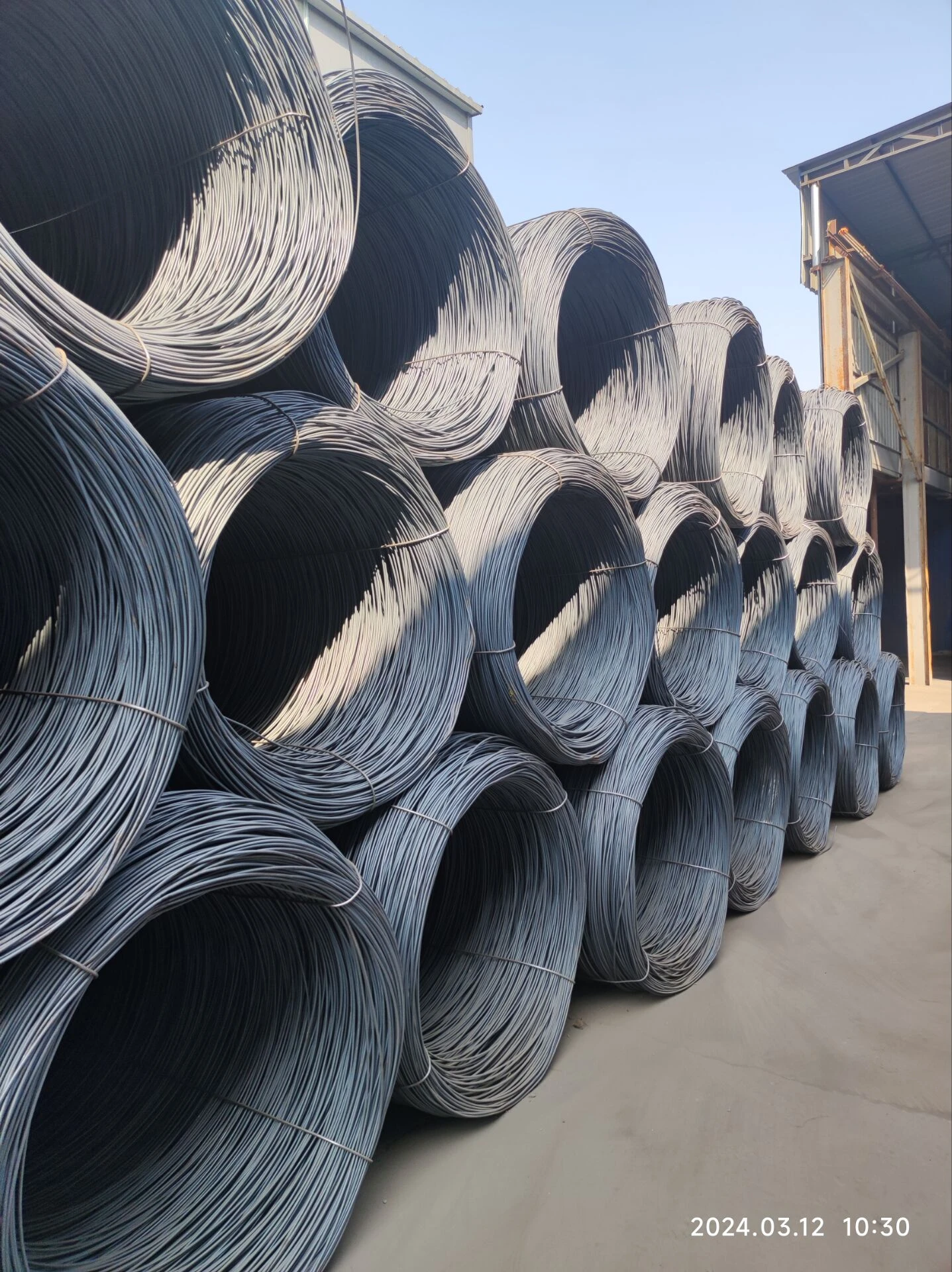
The core material for concrete coil nails is typically high-carbon steel, specifically SAE 1008 or 1010, selected for its balance of hardness, ductility, and cost-effectiveness. Steel wire undergoes drawing processes to achieve the required diameter, typically ranging from 2.5mm to 3.4mm, influencing both shear strength and nail gun compatibility. The manufacturing process begins with precise wire straightening, followed by forming the nail head – commonly a modified brad head or countersunk head – using cold heading techniques. Critical parameters during cold heading include die geometry, heading speed, and lubrication to prevent cracking and ensure consistent head dimensions. Following head formation, the nails are collated using adhesive bonding and/or wire stitching, forming the continuous coil. Coating is a vital step. Common coatings include bright basic electroplating (BBE), hot-dip galvanizing, or polymer coatings (epoxy, polyester) to provide corrosion resistance. Galvanization, offering zinc sacrificial protection, is prevalent in exterior applications. Polymer coatings provide enhanced chemical resistance and aesthetic appeal. Quality control checks at each stage, including dimensional accuracy, head integrity, and coating thickness, are essential. The steel’s tensile strength (typically 800-1200 MPa) is paramount and verified through periodic testing. The consistency of the adhesive bond in the coil is another critical manufacturing parameter.
Performance & Engineering
The performance of concrete coil nails is fundamentally governed by force analysis during impact and penetration. The kinetic energy transferred from the pneumatic nailer must overcome the concrete’s compressive strength and shear resistance. Nail shank geometry – particularly the point angle and surface finish – significantly influences penetration efficiency. A sharper point requires less force to initiate penetration, but may be more prone to bending. The nail’s shear strength is a critical factor in resisting pull-out forces. Finite Element Analysis (FEA) is often employed during nail design to optimize shank diameter, head geometry, and material properties to maximize shear and tensile strength while minimizing concrete cracking. Environmental resistance is also a key consideration. Moisture, temperature fluctuations, and exposure to corrosive substances (e.g., chlorides in marine environments) can accelerate corrosion and reduce fastener lifespan. Coating selection is directly linked to the anticipated environmental conditions. Compliance with building codes and safety regulations is non-negotiable. In many jurisdictions, coil nails must meet specific performance criteria outlined in standards such as ICC-ES evaluations, demonstrating their ability to withstand prescribed load levels. Proper nail gun settings (air pressure, depth control) are crucial to prevent over-penetration or under-penetration, ensuring optimal holding power and avoiding damage to the concrete.
Technical Specifications
| Nail Length (mm) | Nail Diameter (mm) | Head Type | Coil Capacity (nails) |
|---|---|---|---|
| 30 | 2.9 | Modified Brad | 300 |
| 38 | 3.1 | Countersunk | 250 |
| 45 | 3.3 | Modified Brad | 200 |
| 50 | 3.4 | Countersunk | 180 |
| 57 | 3.1 | Modified Brad | 150 |
| 64 | 3.3 | Countersunk | 120 |
Failure Mode & Maintenance
Common failure modes for concrete coil nails include shear failure (nail breaking under load), pull-out failure (nail losing its grip in the concrete), and corrosion-induced failure (nail weakening due to rust). Shear failure typically occurs when the nail is subjected to excessive lateral forces, exceeding its shear strength. Pull-out failure is influenced by concrete density, nail shank diameter, and nail point geometry. Corrosion is a significant concern in humid or corrosive environments, leading to reduced tensile strength and eventual failure. Fatigue cracking can also occur in applications with repeated loading cycles. Preventive maintenance involves proper storage of nail coils to prevent moisture absorption, regular inspection of pneumatic nail guns to ensure correct operating pressure and depth control, and appropriate coating selection based on the application environment. If corrosion is observed, replacement of the nails is recommended. For applications requiring high load-bearing capacity, periodic inspection of the fasteners is advisable to identify any signs of degradation or failure. Furthermore, ensuring that the concrete substrate is properly cured and free of contaminants before nailing is essential for optimal performance. The root cause analysis of failures requires metallurgical examination to determine the contributing factors (e.g., material defects, corrosion pitting, fatigue cracks).
Industry FAQ
Q: What is the optimal nail length for securing 1/2-inch plywood sheathing to concrete?
A: Generally, a nail length of 1 1/4 to 1 1/2 inches (32mm to 38mm) is recommended for 1/2-inch plywood sheathing. This ensures sufficient penetration into the concrete substrate for adequate holding power, while minimizing the risk of complete penetration and protrusion. The specific length may need adjustment based on the concrete's compressive strength and the plywood's density.
Q: How does the coating type affect the lifespan of coil nails in a coastal environment?
A: In coastal environments, high chloride concentrations accelerate corrosion. Bright basic electroplating (BBE) offers limited corrosion protection and is not recommended. Hot-dip galvanizing provides a significantly better level of protection due to the sacrificial zinc coating. Polymer coatings, such as epoxy or polyester, offer the best corrosion resistance, creating a barrier between the steel and the corrosive environment. Regular inspection is still necessary even with the most robust coatings.
Q: What are the key differences between modified brad and countersunk head coil nails?
A: Modified brad heads provide a wider bearing surface, enhancing holding power, particularly in softer concrete. Countersunk heads allow the nail head to be recessed below the surface, providing a flush finish. The choice depends on the aesthetic requirements and the load-bearing demands of the application. Countersunk nails are preferred when a smooth surface is desired, while brad heads are better suited for applications requiring maximum holding strength.
Q: What air pressure should be used with a pneumatic coil nailer for optimal performance in concrete?
A: Optimal air pressure typically ranges between 70-90 PSI (4.8-6.2 bar), but this can vary depending on the nailer model and the concrete's hardness. Start with a lower pressure and gradually increase it until the nails are consistently driven to the desired depth without damaging the concrete. Refer to the nailer manufacturer's recommendations for specific pressure settings.
Q: Are there any ICC-ES evaluation reports for these concrete coil nails?
A: Yes, many manufacturers submit their coil nails for ICC-ES evaluation to demonstrate compliance with building codes and performance standards. Look for ICC-ES report numbers on product packaging or manufacturer's documentation. These reports provide independent verification of the nail’s load-bearing capacity and suitability for specific applications.
Conclusion
Concrete coil nails represent a critical component in modern construction, offering a significant improvement in fastening efficiency and reliability compared to traditional methods. The material science, manufacturing processes, and engineering principles underpinning their performance are complex and require careful consideration. Selecting the appropriate nail length, diameter, head type, and coating based on the specific application and environmental conditions is essential to ensure long-term structural integrity.
Continued innovation in coil nail technology will likely focus on developing higher-strength materials, more durable coatings, and smarter nail gun systems capable of adapting to varying concrete densities. Adherence to relevant international standards and rigorous quality control measures will remain paramount in maintaining the reliability and safety of these critical fasteners.