



Introduction
Corrugated metal roofing nails are specialized fasteners critical for the secure installation of corrugated metal roofing and siding systems. These nails represent a key component in the building envelope, providing resistance to wind uplift, shear forces, and weather exposure. Unlike general-purpose nails, corrugated metal roofing nails are specifically designed to penetrate the metal sheeting and underlying substrate (typically wood or steel purlins) without causing significant deformation to the metal profile, thus maintaining the watertight integrity of the roofing system. Their design incorporates features such as a large head diameter, a specialized shank geometry, and often, a coating for corrosion resistance. This guide provides a comprehensive overview of the material science, manufacturing processes, performance characteristics, failure modes, and relevant industry standards associated with corrugated metal roofing nails, addressing critical considerations for engineers, procurement managers, and installation professionals.
Material Science & Manufacturing
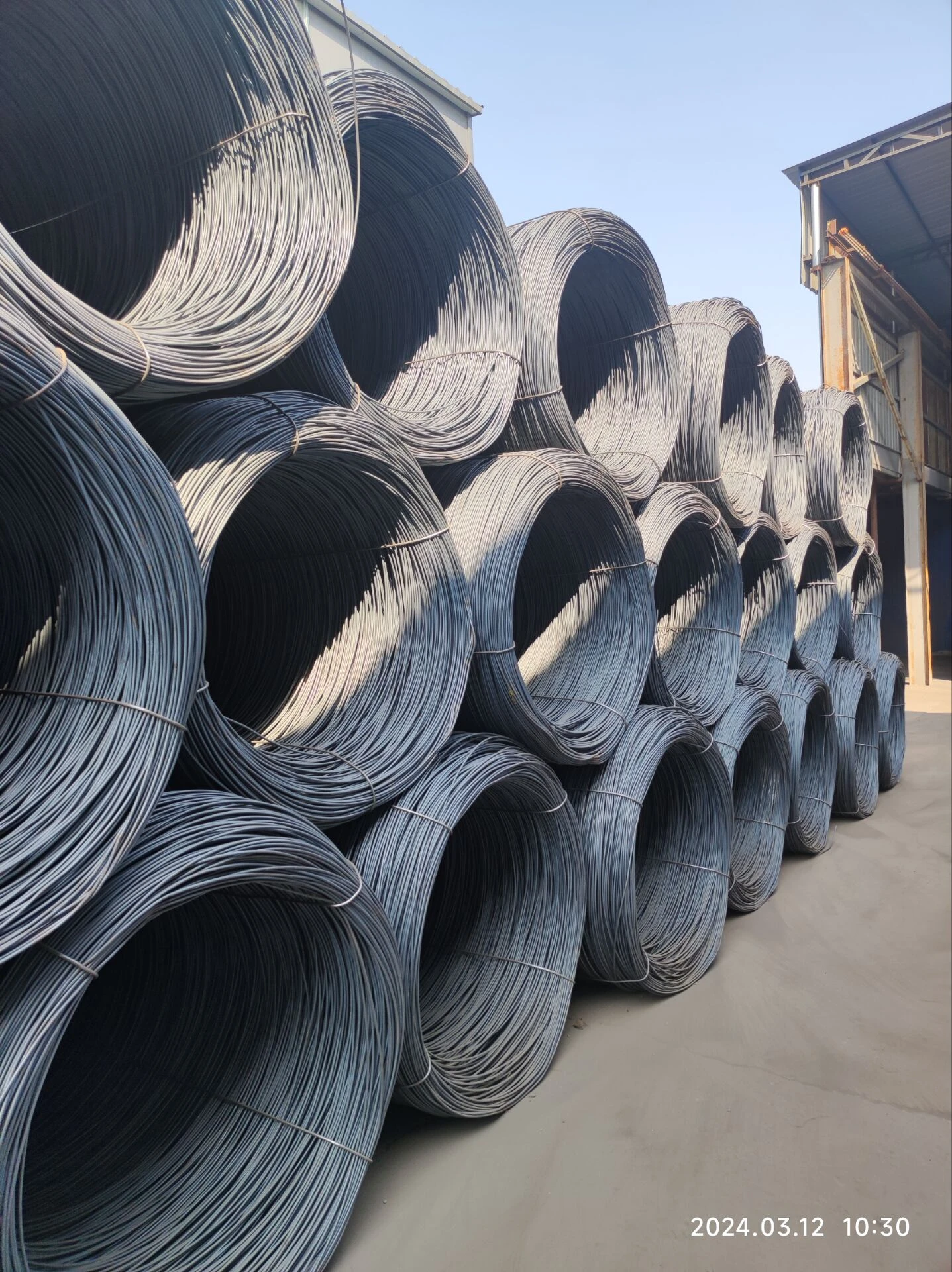
The primary material for corrugated metal roofing nails is typically high-carbon steel, specifically SAE 1045 or equivalent. This grade offers a balance of tensile strength, ductility, and hardness necessary for penetrating corrugated metal without bending or breaking. The steel undergoes a wire drawing process to achieve the desired shank diameter, typically ranging from 0.120” to 0.148” (3.05mm to 3.76mm). The nail head is formed through a cold heading process, utilizing specialized dies to create the large diameter head necessary to securely clamp the corrugated metal sheeting.
Manufacturing often includes a crucial coating stage for corrosion protection. Common coatings include zinc plating, hot-dip galvanization, and polymeric coatings (e.g., polyester, epoxy). Zinc plating provides sacrificial corrosion protection, while hot-dip galvanization offers a thicker, more durable zinc coating. Polymeric coatings provide an additional barrier against environmental degradation, particularly in harsh climates. The selection of coating depends on the anticipated exposure conditions and service life requirements.
Shank geometries vary. Common types include smooth shanks for easier driving, ring shanks (circumferential grooves) for increased holding power, and spiral shanks for even greater withdrawal resistance. The shank’s surface finish is also important; a smooth surface minimizes damage to the protective coating on the corrugated metal. Quality control during manufacturing includes dimensional checks, hardness testing (Rockwell C scale), and coating thickness measurement to ensure compliance with industry standards. Precise control of the heading process is paramount to prevent stress concentrations that could lead to premature failure.
Performance & Engineering
The performance of corrugated metal roofing nails is governed by several key engineering principles. Shear strength is critical, as the nails must resist lateral forces imposed by wind loads. Tensile strength determines the nail’s resistance to pull-out, especially in applications where the nail is close to the edge of the sheeting. The nail’s bending strength must withstand the stresses induced during installation and subsequent thermal expansion/contraction of the roofing system.
Wind uplift resistance is a primary design consideration. The nail’s holding power is a function of its shank geometry, the thickness of the metal sheeting, the thickness and density of the substrate, and the nail’s embedment depth. Calculations based on ANSI/SPRI ES-1 (Evaluation of Roofing Systems) are routinely performed to determine the appropriate nail spacing and size required to meet local building code requirements.
Environmental resistance is paramount. Galvanic corrosion can occur when dissimilar metals (e.g., steel nail and aluminum roofing) are in contact, especially in the presence of an electrolyte (e.g., rainwater). Therefore, compatible materials or isolating barriers are necessary. UV exposure can degrade polymeric coatings over time, reducing their protective effectiveness. Thermal cycling can induce stresses in the nail and surrounding materials, potentially leading to loosening or fatigue failure. Compliance with ASTM E1592 (Standard Test Method for Water Penetration of Roofing Membrane Systems) relies on secure nail fastening to maintain a weather-tight seal.
Technical Specifications
| Parameter | Specification (Typical) | Test Method | Units |
|---|---|---|---|
| Shank Diameter | 0.120 – 0.148 | Micrometer | inches (mm) |
| Head Diameter | 0.375 – 0.500 | Micrometer | inches (mm) |
| Shank Length | 1.00 – 3.00 | Ruler/Calipers | inches (mm) |
| Coating Thickness (Zinc) | 0.0005 – 0.0015 | Magnetic Thickness Gauge | inches (µm) |
| Tensile Strength | 80,000 – 120,000 | ASTM F1667 | psi (MPa) |
| Shear Strength | 50,000 – 90,000 | ASTM F1667 | psi (MPa) |
Failure Mode & Maintenance
Common failure modes of corrugated metal roofing nails include: Corrosion – particularly galvanic corrosion in dissimilar metal systems, leading to gradual weakening of the nail. Fatigue cracking – resulting from repeated stress cycles caused by wind loads and thermal expansion/contraction. Withdrawal failure – occurring when the nail loses its holding power due to loosening or substrate degradation. Shear failure – happens when the nail bends or breaks under lateral forces. Coating degradation – UV exposure and environmental factors can compromise the protective coating, accelerating corrosion.
Failure analysis involves examining the fracture surface of failed nails to determine the root cause. Corrosion products, fatigue striations, and evidence of shear stress can provide clues. Regular inspections are crucial for identifying early signs of failure, such as rust staining or loose nails. Preventative maintenance includes applying a compatible sealant around nail penetrations to prevent water intrusion. If significant corrosion is observed, replacing the nails with corrosion-resistant alternatives (e.g., stainless steel) is recommended. Proper installation techniques, including correct nail spacing and embedment depth, are essential for maximizing service life and minimizing the risk of premature failure. Addressing underlying substrate issues, such as wood rot or steel corrosion, is also vital.
Industry FAQ
Q: What is the impact of different coating types on the long-term performance of corrugated metal roofing nails?
A: Coating type significantly influences corrosion resistance and, therefore, long-term performance. Zinc plating offers sacrificial protection, but its thickness limits its lifespan in harsh environments. Hot-dip galvanization provides a much thicker zinc coating and superior corrosion resistance. Polymeric coatings (e.g., epoxy, polyester) add an additional barrier, but their UV resistance varies. The best choice depends on the environmental exposure, the metal roofing material, and the desired service life.
Q: How does nail shank geometry (smooth, ring, spiral) affect holding power?
A: Shank geometry directly impacts withdrawal resistance. Smooth shanks provide the least holding power, suitable for applications with minimal uplift forces. Ring shanks (circumferential grooves) create mechanical interlocking with the substrate, increasing withdrawal resistance. Spiral shanks offer the highest holding power due to their continuous thread-like design, providing superior grip. Selecting the appropriate shank geometry is crucial based on wind load calculations and substrate characteristics.
Q: What are the key considerations when using corrugated metal roofing nails with aluminum roofing?
A: Aluminum and steel are dissimilar metals prone to galvanic corrosion. Using steel nails with aluminum roofing requires careful consideration. Isolation techniques, such as using a non-conductive sealant or employing aluminum nails (though less common due to cost), are essential to prevent corrosion. Zinc-coated nails can provide some protection but are not a complete solution. Regular inspections are critical to monitor for corrosion.
Q: What is the recommended nail spacing for a corrugated metal roof in a high-wind region?
A: Nail spacing is determined by engineering calculations based on ANSI/SPRI ES-1 and local building codes. Factors include wind speed, roof slope, metal gauge, substrate type, and nail size/type. Typically, spacing is closer (e.g., 6-12 inches) in high-wind regions to provide adequate wind uplift resistance. A qualified structural engineer should perform these calculations.
Q: How important is proper nail driving technique to prevent damage to the corrugated metal roofing?
A: Proper driving technique is vital. Overdriving nails can deform the metal corrugations, compromising the watertight seal and potentially creating stress concentrations. Underdriving leaves the nail head protruding, posing a safety hazard and reducing holding power. Using the correct nail gun settings (pressure and depth) and a pilot hole (in some cases) can minimize damage and ensure proper installation.
Conclusion
Corrugated metal roofing nails are specialized fasteners demanding careful material selection, precise manufacturing, and proper installation. Their performance directly influences the long-term durability and weather resistance of corrugated metal roofing systems. Understanding the interplay between material science, engineering principles, and industry standards is critical for ensuring reliable performance and mitigating potential failure modes.
Continued advancements in coating technologies and shank designs promise to further enhance the corrosion resistance and holding power of corrugated metal roofing nails. Adhering to best practices in installation, inspection, and maintenance is crucial for maximizing service life and safeguarding the integrity of the building envelope. As building codes evolve and wind load requirements increase, ongoing research and development will be essential to meet the challenges of modern roofing construction.