



Introduction
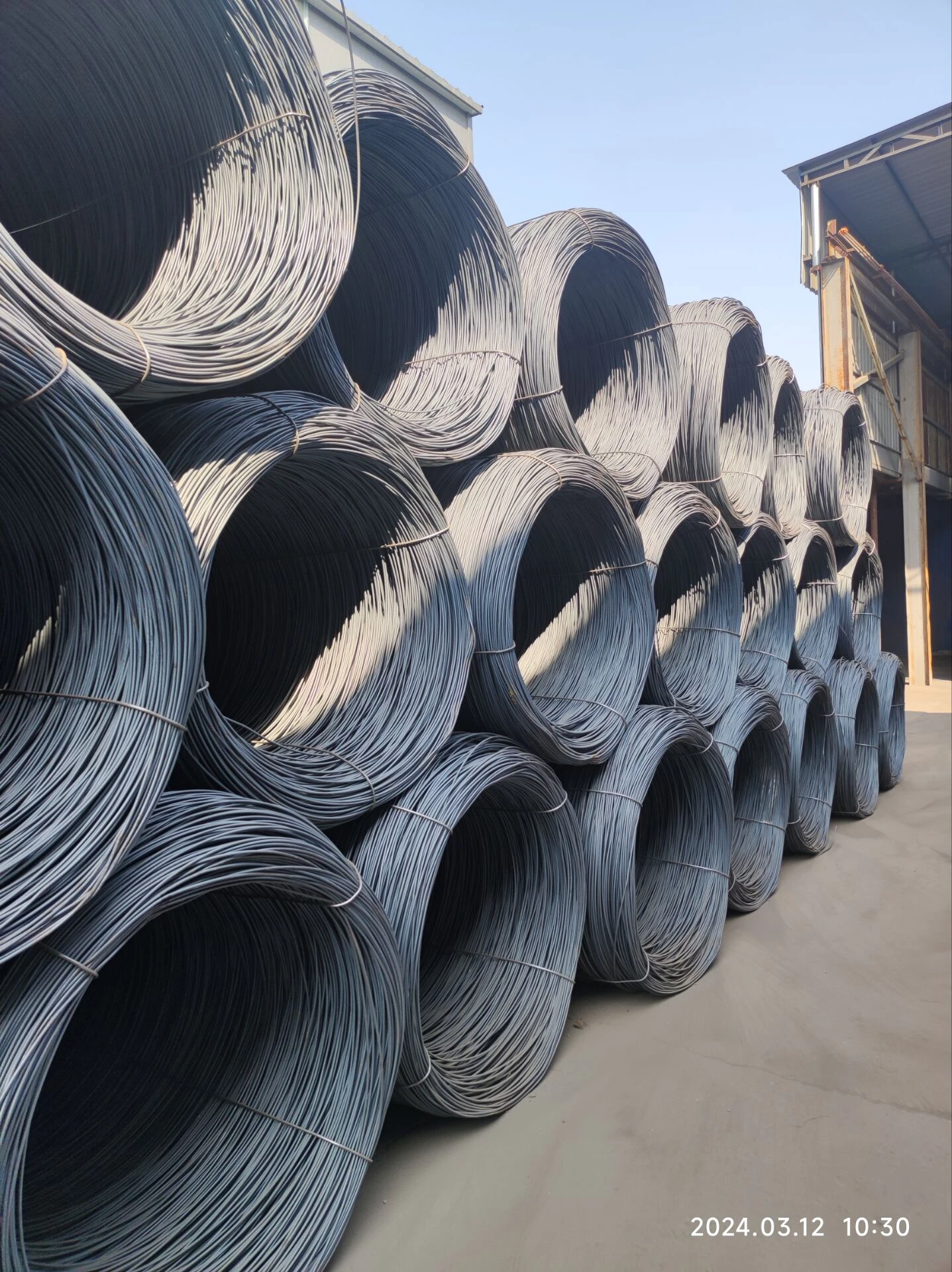
Cotton baling wire is a specialized high-tensile steel wire used primarily for compressing and securing cotton modules into standardized bales for efficient storage and transport. It occupies a critical position within the agricultural supply chain, specifically interfacing between cotton harvesting/ginning and textile manufacturing. Its core performance characteristics center on tensile strength, ductility, and corrosion resistance, directly impacting bale integrity and minimizing fiber contamination. Unlike general-purpose wire, cotton baling wire must withstand repeated bending and twisting during the baling process without fracturing, while also resisting rust formation during prolonged storage, often in humid environments. The industry faces increasing demands for higher bale density and reduced wire breakage rates, driving innovation in wire composition and manufacturing techniques.
Material Science & Manufacturing
The predominant material used in cotton baling wire is SAE 1008 or similar low-carbon steel, selected for its balance of strength and ductility. The carbon content typically ranges from 0.08% to 0.12%, influencing its work hardening characteristics. Trace elements like manganese (0.60-0.90%) and phosphorus (0.04% max) are present to enhance machinability and contribute to tensile strength. The manufacturing process begins with hot rolling of steel billets into wire rod. This is followed by several stages of cold drawing through progressively smaller dies. This process significantly increases tensile strength through strain hardening. Critical parameter control during cold drawing includes die angle, drawing speed, and lubrication to prevent surface defects and maintain dimensional consistency. After drawing, the wire undergoes a spheroidizing annealing process to improve ductility and formability for subsequent twisting. A light coating, typically zinc galvanization, is applied to provide corrosion resistance. The galvanization process involves immersing the wire in a molten zinc bath. The quality of the zinc coating – its thickness, uniformity, and adherence – is crucial for long-term performance. Modern facilities utilize automated drawing and galvanizing lines with real-time quality control systems to ensure consistent product quality. Wire diameters commonly range from 1.55 mm to 1.85 mm, dependent on the baling equipment and cotton fiber characteristics. Regular chemical analysis of the steel composition and mechanical testing (tensile strength, elongation) are performed throughout the manufacturing process to verify adherence to industry standards.
Performance & Engineering
The performance of cotton baling wire is fundamentally dictated by its ability to withstand tensile stress during the baling process and maintain bale integrity during storage and transport. Force analysis reveals that the wire experiences peak tensile loads during the initial compression stages of bale formation. These loads are influenced by bale density, bale size, and the force applied by the baling press. The wire’s ductility allows it to deform plastically without fracturing, accommodating uneven compression and minimizing breakage. Environmental resistance is paramount; prolonged exposure to humidity and varying temperatures can induce corrosion, reducing tensile strength and leading to wire failure. Corrosion is typically localized, initiating at surface defects or scratches in the zinc coating. Engineering considerations include optimizing wire diameter and zinc coating thickness to achieve the desired balance between strength, corrosion resistance, and cost-effectiveness. Compliance requirements, dictated by cotton grading standards and transportation regulations, mandate that the wire does not contaminate the cotton fibers or leave residual metal fragments. The wire's surface finish must be smooth and free from burrs to prevent fiber damage. Furthermore, the wire’s wrapping pattern around the bale is engineered to distribute stress evenly and maximize bale compression. Wire breakage during baling can lead to bale instability and fiber loss, necessitating regular maintenance of the baling equipment and proper wire tensioning.
Technical Specifications
| Parameter | Unit | Typical Value (SAE 1008) | Testing Standard |
|---|---|---|---|
| Tensile Strength | MPa | 800-1000 | ASTM A854 |
| Elongation at Break | % | 15-25 | ASTM A854 |
| Wire Diameter | mm | 1.55-1.85 | ISO 9001 (Quality Control) |
| Zinc Coating Thickness | µm | 40-60 | ASTM B693 |
| Yield Strength | MPa | 400-600 | ASTM A854 |
| Carbon Content | % | 0.08-0.12 | ASTM E415 |
Failure Mode & Maintenance
The primary failure modes of cotton baling wire include tensile fracture, corrosion-induced failure, and fatigue cracking. Tensile fracture occurs when the wire is subjected to a stress exceeding its ultimate tensile strength, typically due to excessive bale density or a pre-existing defect. Corrosion, particularly rust formation, weakens the wire and reduces its load-bearing capacity. This is exacerbated by exposure to humid environments and salt spray. Fatigue cracking develops over time due to repeated bending and twisting during the baling process. Microscopic cracks initiate at stress concentration points, such as surface imperfections or bends, and propagate until the wire fractures. Delamination of the zinc coating can accelerate corrosion. Oxidation of the steel substrate leads to a gradual reduction in cross-sectional area and weakening of the wire. Maintenance strategies include regular inspection of the wire for signs of corrosion or damage, proper tensioning of the wire during baling, and ensuring the baling equipment is well-maintained. Lubrication of the wire guides and twisting mechanisms reduces friction and minimizes fatigue. Storage of the wire in a dry, sheltered environment prevents corrosion. Replacement of worn or damaged wire is crucial to prevent bale failure. Preventative maintenance schedules, based on baling volume and environmental conditions, are recommended. Post-baling inspection of bales for wire breakage provides valuable feedback for optimizing baling parameters and wire selection.
Industry FAQ
Q: What is the impact of high humidity on the performance of cotton baling wire?
A: High humidity significantly accelerates corrosion of cotton baling wire, particularly if the zinc coating is compromised. This corrosion reduces the wire’s tensile strength and ductility, increasing the risk of breakage during baling and subsequent storage. The formation of rust weakens the steel, leading to premature failure and potential bale instability.
Q: How does wire diameter affect bale density and wire breakage rate?
A: Increasing wire diameter generally allows for higher bale densities, as the wire can withstand greater compressive forces. However, larger diameter wire is less flexible and may exhibit a higher breakage rate during the twisting and bending process, especially with older baling equipment. An optimal diameter must be selected based on the specific baling press and cotton fiber characteristics.
Q: What are the advantages of using spheroidizing annealing in the manufacturing process?
A: Spheroidizing annealing improves the ductility and formability of the wire, making it less prone to cracking during the twisting and bending operations. This process modifies the microstructure of the steel, transforming the cementite into a more spherical shape, which reduces stress concentrations and enhances its ability to deform plastically.
Q: Are there alternative coatings to zinc galvanization used for corrosion protection?
A: While zinc galvanization is the most common coating, alternative coatings such as zinc-nickel alloy plating are gaining traction due to superior corrosion resistance, particularly in harsh environments. However, these coatings are typically more expensive and require specialized application processes. Polymer coatings are also explored but may compromise the wire's ductility.
Q: What quality control measures are essential during the wire drawing process?
A: Essential quality control measures include continuous monitoring of wire diameter, tensile strength, and surface finish. Regular inspection for defects such as scratches, cracks, and inconsistencies in the zinc coating is crucial. Die angle and lubrication are meticulously controlled to prevent wire breakage and ensure dimensional accuracy. Statistical process control (SPC) is widely employed to identify and address deviations from established parameters.
Conclusion
Cotton baling wire, though a seemingly simple component, plays a pivotal role in the efficient and reliable handling of cotton. Its performance hinges on a complex interplay of material science, manufacturing precision, and engineering considerations. The selection of appropriate steel grade, controlled manufacturing processes, and effective corrosion protection are essential for ensuring bale integrity and minimizing fiber contamination. Understanding the failure modes and implementing preventative maintenance strategies are crucial for optimizing wire lifespan and reducing operational costs.
Future trends in cotton baling wire technology will likely focus on developing more durable and corrosion-resistant coatings, optimizing wire profiles for improved bale compression, and integrating smart sensors for real-time monitoring of wire tension and integrity. Sustainable manufacturing practices, including reducing zinc consumption and exploring alternative materials, will also gain prominence. As the cotton industry continues to evolve, advancements in baling wire technology will be vital for meeting the demands of a global supply chain.