



Introduction
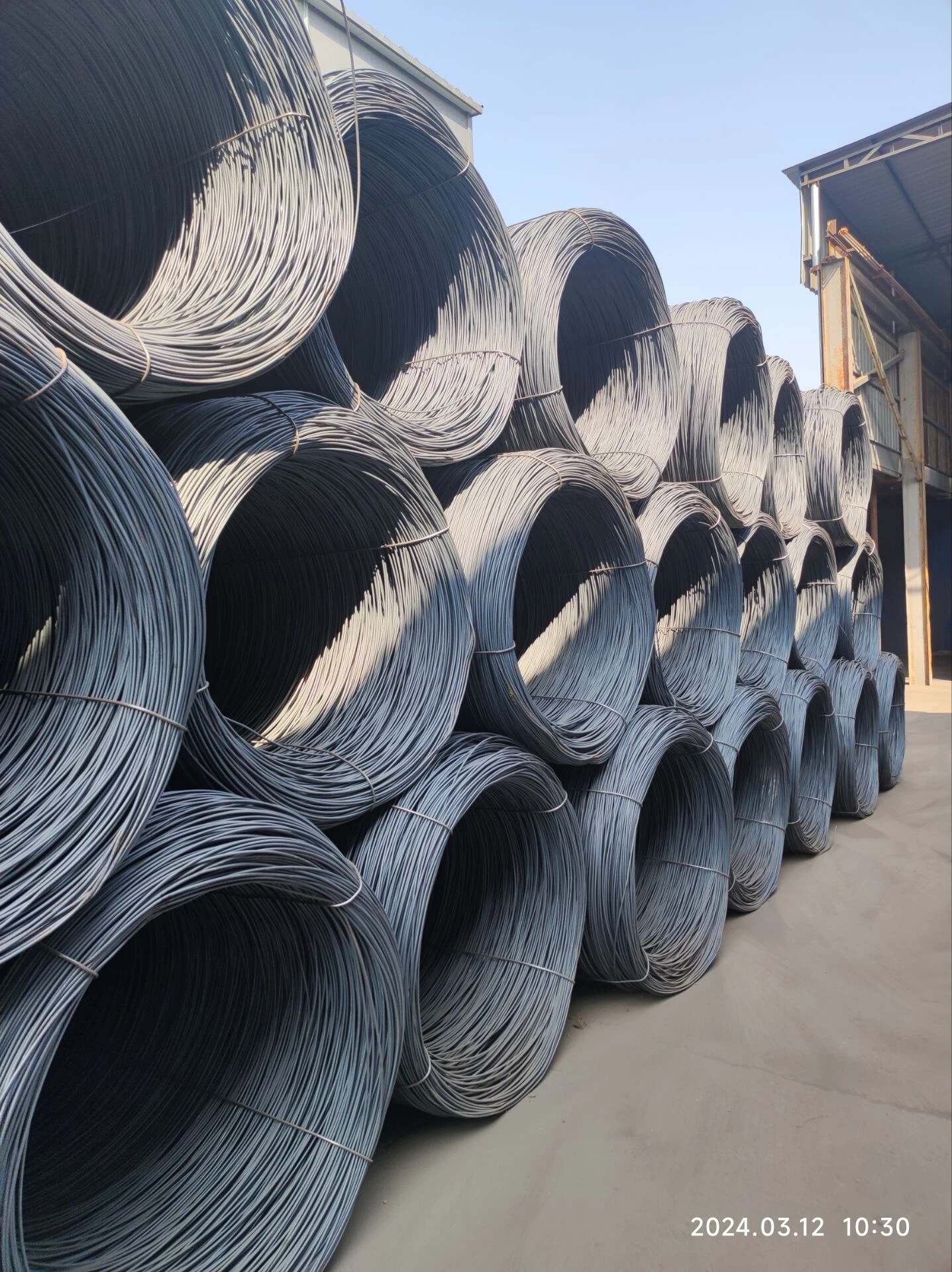
Double loop bar ties are a crucial component in concrete reinforcement, specifically utilized for the secure confinement of concrete within formwork during the pouring and curing process. They represent a significant advancement over traditional timber or steel walings, offering enhanced durability, reusability, and uniform pressure distribution. This guide details the material science, manufacturing processes, performance characteristics, failure modes, and maintenance requirements for double loop bar ties, addressing the core concerns of structural engineers, construction managers, and procurement specialists. Their primary function is to resist the lateral pressure exerted by wet concrete, preventing deformation of formwork and ensuring dimensional accuracy of the final concrete structure. The increasing demand for high-quality, repeatable concrete pours in precast and cast-in-place applications drives the continued development and adoption of advanced tie systems like these. Understanding their intricacies is paramount for optimizing construction efficiency and ensuring long-term structural integrity.
Material Science & Manufacturing
Double loop bar ties are typically manufactured from high-strength steel, primarily utilizing grades such as ASTM A36 or equivalent EN 10025-2 S235JR steel. The core material properties are critical: a yield strength exceeding 250 MPa (36,000 psi) and a tensile strength between 400-550 MPa (58,000 – 80,000 psi) are generally required. The steel's chemical composition includes carbon (0.25-0.32%), manganese (0.60-0.90%), silicon (0.05-0.30%), phosphorus (0.040% max), and sulfur (0.035% max). These compositions are optimized for weldability and ductility. Manufacturing involves several key steps. First, steel rods are cut to precise lengths using automated cutting machines. Next, the loop forming is achieved through precision bending operations, often employing CNC-controlled bending machines to ensure consistent loop diameters and geometries. The critical parameter is maintaining the loop radius to prevent stress concentrations. Subsequently, the ends of the bar are typically threaded to accept wing nuts or other tightening mechanisms. Finally, the ties may undergo surface treatment, such as galvanization (ASTM A153) or epoxy coating (ASTM A780), to enhance corrosion resistance. Quality control throughout the process involves dimensional checks, hardness testing (Rockwell C scale), and periodic tensile testing to verify material properties.
Performance & Engineering
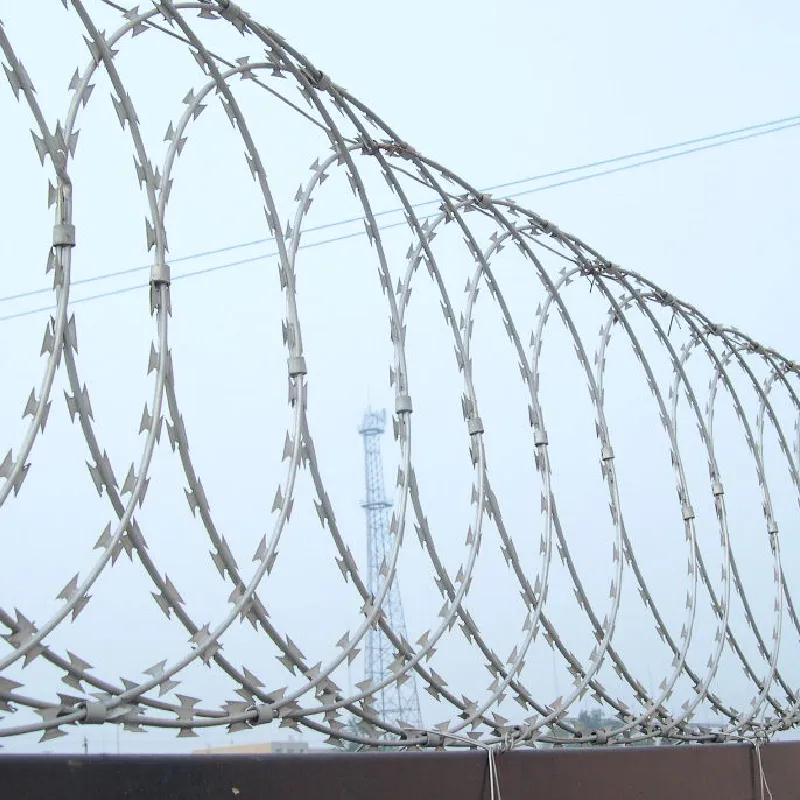
The performance of double loop bar ties is governed by several engineering principles. The primary load path is tensile, with the steel bar resisting the lateral pressure of the concrete. The loop geometry distributes this load over a larger area of the formwork, minimizing point stresses. A critical design consideration is the spacing between ties; closer spacing results in more uniform pressure distribution but increases material costs. Force analysis dictates that the tie's tensile capacity must exceed the maximum hydrostatic pressure exerted by the concrete, accounting for a safety factor (typically 1.5-2.0). Environmental resistance is also crucial. Exposure to corrosive environments, such as saltwater or acidic soils, can accelerate corrosion and reduce the tie’s tensile strength. Therefore, appropriate surface treatments are essential. Compliance requirements vary by region, but generally, tie systems must meet standards set by organizations like the American Concrete Institute (ACI 318) and European Standards (EN 13670). Functional implementation requires careful installation procedures. Ties must be properly aligned and tightened to the specified torque to ensure effective confinement. Improper tightening can lead to formwork failure or concrete deformation. Fatigue resistance is important for reusable ties; repeated loading and unloading cycles can induce micro-cracking and eventual failure.
Technical Specifications
| Parameter | Unit | Typical Value (ASTM A36 Steel) | Typical Value (EN 10025-2 S235JR Steel) |
|---|---|---|---|
| Yield Strength | MPa | 250 | 235 |
| Tensile Strength | MPa | 400-550 | 360-530 |
| Elongation at Break | % | 20-25 | 20-28 |
| Diameter (Bar) | mm | 16-25 | 16-25 |
| Loop Diameter | mm | 50-100 | 50-100 |
| Coating Thickness (Galvanization) | µm | 50-80 | 50-80 |
Failure Mode & Maintenance
Double loop bar ties can fail through several mechanisms. Corrosion is a primary failure mode, particularly in marine or chemically aggressive environments. The corrosion process weakens the steel, reducing its tensile capacity. Fatigue cracking can occur due to repeated loading and unloading, especially if the ties are subjected to significant vibrations during concrete pouring. Another failure mode is thread stripping, which can occur if the wing nuts are over-tightened or if the threads are damaged. Shear failure of the loop itself is rare but possible if the loop is subjected to excessive bending forces. Finally, material defects, such as inclusions or voids in the steel, can initiate crack propagation and lead to brittle fracture. Maintenance primarily involves regular inspection for corrosion and thread damage. Corroded ties should be replaced immediately. Threads can be cleaned and lubricated to prevent seizing. Galvanized or epoxy-coated ties require less frequent maintenance but should still be inspected periodically. Avoid using abrasive cleaning methods that could damage the protective coating. Proper storage is also essential; ties should be stored in a dry, sheltered location to prevent corrosion.
Industry FAQ
Q: What is the recommended spacing for double loop bar ties in a typical wall formwork application?
A: The recommended spacing typically ranges from 600mm to 1200mm (24in to 48in) center-to-center, but this is heavily dependent on the concrete pouring height and the formwork material. Higher concrete pressures necessitate closer spacing. A structural engineer should always determine the optimal spacing based on site-specific conditions and load calculations.
Q: How does the choice of surface coating (galvanization vs. epoxy) affect the longevity of the ties?
A: Galvanization offers sacrificial protection, meaning the zinc coating corrodes preferentially to protect the steel. Epoxy coatings provide a barrier protection, preventing corrosive agents from reaching the steel. Epoxy generally offers superior long-term corrosion resistance, particularly in harsh chemical environments, but it’s susceptible to damage (chipping or scratching) which exposes the steel. Galvanization is more robust in resisting physical damage.
Q: What torque should be applied to the wing nuts when tightening the ties?
A: The recommended torque typically ranges from 30-50 Nm (22-37 lb-ft), but it's crucial to consult the manufacturer’s specifications. Over-tightening can strip the threads, while under-tightening can result in inadequate confinement. Using a calibrated torque wrench is essential for ensuring consistent and accurate tightening.
Q: What are the key considerations when selecting tie systems for high-performance concrete (HPC)?
A: HPC exhibits higher early-age stresses, requiring tie systems with higher tensile capacity and closer spacing. The ties must also be capable of withstanding the increased hydrostatic pressure generated by HPC. Compatibility of the tie material with the concrete mix design (e.g., potential for alkali-silica reaction) should also be considered.
Q: What safety protocols should be followed during tie removal after concrete curing?
A: Tie removal should only be performed after the concrete has reached sufficient compressive strength (typically 7 days, but confirm with concrete testing reports). Workers should wear appropriate personal protective equipment (PPE), including gloves and eye protection. Avoid using excessive force during removal, as this can damage the concrete. Follow manufacturer’s recommended removal procedures.
Conclusion
Double loop bar ties represent a reliable and efficient solution for concrete formwork confinement, offering significant advantages over traditional methods. Their performance is intrinsically linked to the material properties of the steel, the precision of the manufacturing process, and adherence to established engineering principles. Careful consideration of factors such as tie spacing, surface treatment, and tightening torque is crucial for maximizing their effectiveness and ensuring the structural integrity of concrete structures.
The continued development of advanced tie systems focuses on enhancing corrosion resistance, improving fatigue life, and optimizing load distribution. Future advancements may include the integration of smart sensors for real-time monitoring of tie tension and the development of self-adjusting tie mechanisms. The correct specification, installation, and maintenance of these ties are integral to the long-term durability and safety of concrete construction projects.