



Introduction
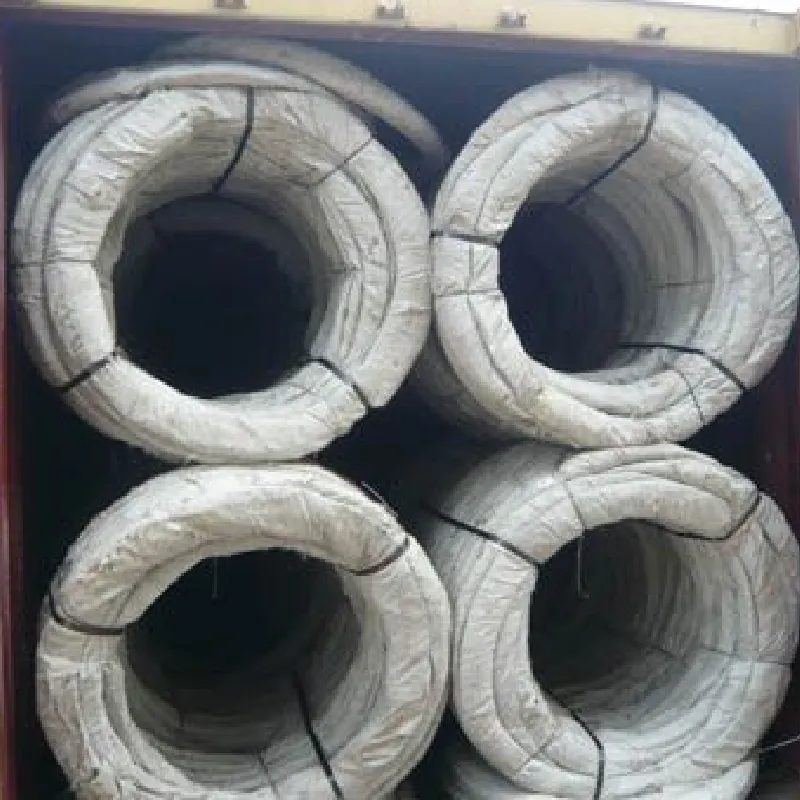
Drawn steel wire is a cold-worked steel product manufactured by pulling steel rod or wire through a series of drawing dies to reduce its diameter. It occupies a critical position within the broader steel industry, serving as a foundational component for numerous downstream applications, including fasteners, springs, cable, welding electrodes, and piano wire. The core performance characteristics – tensile strength, ductility, surface finish, and dimensional accuracy – dictate its suitability for these varied uses. Unlike hot-rolled wire, drawn steel wire exhibits superior mechanical properties and tighter tolerances due to the cold working process, which introduces strain hardening and refines the material’s microstructure. This guide provides a comprehensive technical overview of drawn steel wire, encompassing its material science, manufacturing processes, performance parameters, failure modes, and relevant industry standards.
Material Science & Manufacturing
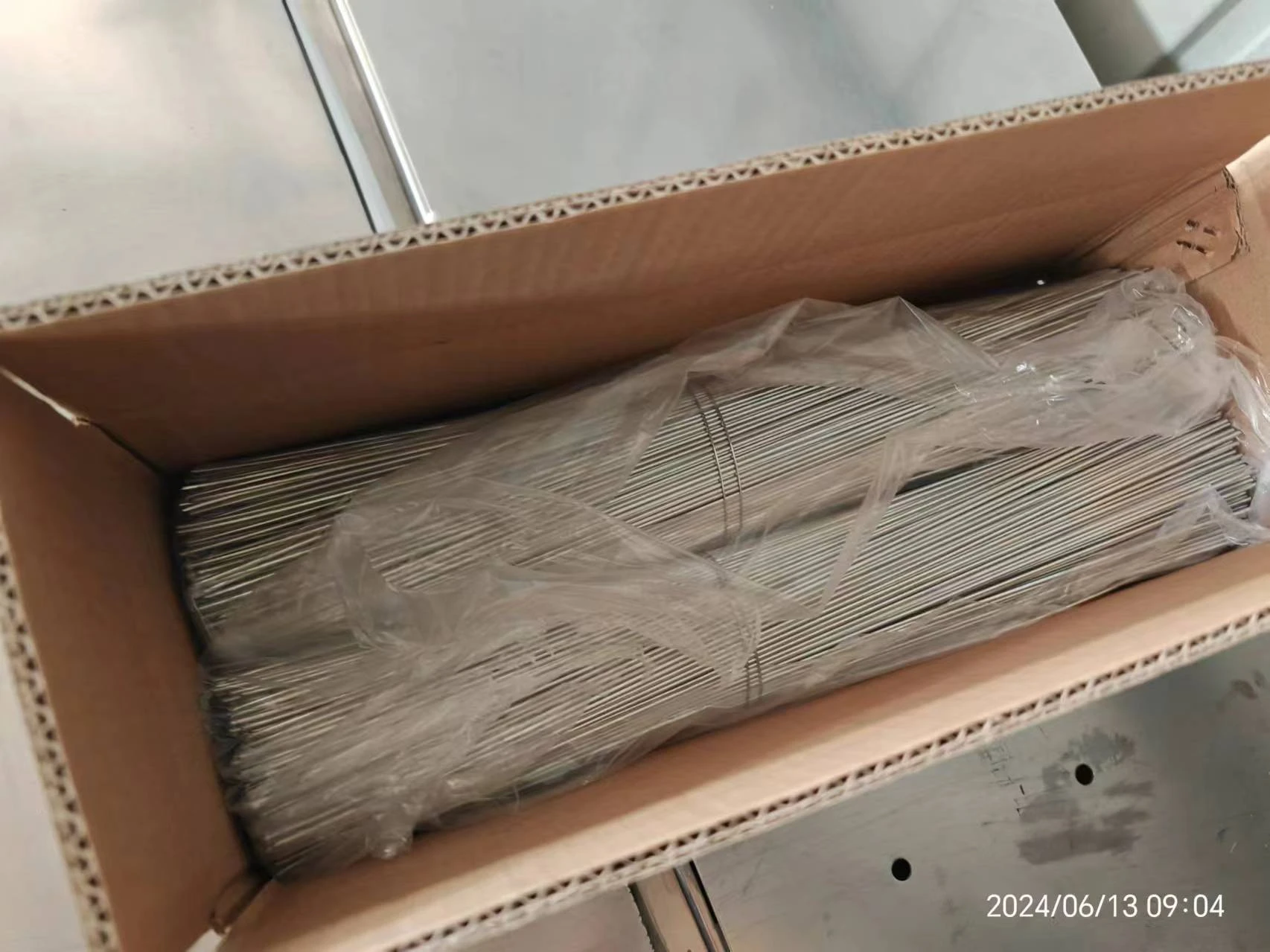
The raw material for drawn steel wire typically consists of carbon steel grades (e.g., 1008, 1018, 1045), alloy steels (e.g., 4140, 5160), or stainless steels (e.g., 304, 316). The chemical composition significantly impacts the wire's final properties. Carbon content dictates hardness and tensile strength, while alloying elements influence corrosion resistance, toughness, and weldability. Manufacturing commences with the preparation of the feedstock, often in the form of hot-rolled rod. This rod undergoes pickling to remove surface oxides and scale. Subsequently, the wire is lubricated with a drawing compound – typically a soap or metallic stearate solution – to reduce friction during the drawing process. The core process is cold drawing, performed using a series of progressively smaller dies. Each pass through a die reduces the wire diameter and increases its tensile strength. Intermediate annealing stages are crucial to restore ductility and prevent work hardening to the point of fracture. Annealing involves heating the wire to a specific temperature and then slowly cooling it. Precise control of drawing speed, die angle, lubrication, and annealing temperature is paramount to achieving the desired mechanical properties and dimensional tolerances. The final wire is then cleaned, straightened, and often surface treated (e.g., coated with zinc or phosphate) for corrosion protection.
Performance & Engineering
The performance of drawn steel wire is primarily governed by its mechanical properties: tensile strength, yield strength, elongation, and reduction of area. Tensile strength represents the maximum stress the wire can withstand before breaking, while yield strength denotes the stress at which permanent deformation begins. Elongation measures the wire’s ductility, and reduction of area indicates its ability to deform plastically before fracture. Force analysis is critical in applications like springs and cables, where the wire must withstand cyclical loading. Fatigue resistance, the ability to endure repeated stress cycles without failure, is a key engineering consideration. Environmental resistance is also paramount. Exposure to corrosive environments can lead to degradation and failure. Coatings (zinc, phosphate, epoxy) are employed to enhance corrosion protection. Compliance requirements vary depending on the application. For example, automotive applications necessitate adherence to stringent quality standards like IATF 16949. In aerospace, wire must meet demanding specifications related to tensile strength, fatigue life, and traceability. Furthermore, proper wire selection requires considering the specific loading conditions (static vs. dynamic, tensile vs. compressive) and operating environment (temperature, humidity, chemical exposure).
Technical Specifications
| Wire Diameter (mm) | Tensile Strength (MPa) | Yield Strength (MPa) | Elongation (%) |
|---|---|---|---|
| 0.8 | 1400-1600 | 1100-1300 | 15-25 |
| 1.0 | 1300-1500 | 1000-1200 | 18-28 |
| 1.2 | 1200-1400 | 900-1100 | 20-30 |
| 1.6 | 1100-1300 | 800-1000 | 22-32 |
| 2.0 | 1000-1200 | 700-900 | 25-35 |
| 2.5 | 900-1100 | 600-800 | 28-38 |
Failure Mode & Maintenance
Drawn steel wire is susceptible to several failure modes. Fatigue cracking, initiated by cyclical loading, can lead to gradual crack propagation and eventual fracture. Stress corrosion cracking occurs when tensile stress is combined with a corrosive environment, accelerating crack growth. Hydrogen embrittlement, common in high-strength steels, results from the diffusion of hydrogen into the metal lattice, reducing ductility and increasing susceptibility to cracking. Surface defects, such as scratches or corrosion pits, can act as stress concentrators, initiating failure. Oxidation at high temperatures can also degrade the wire's mechanical properties. Maintenance typically involves visual inspection for signs of corrosion, cracks, or deformation. Periodic lubrication is essential to reduce friction and wear, especially in applications involving moving parts. Protective coatings should be inspected regularly for damage and repaired as needed. In critical applications, non-destructive testing methods, such as ultrasonic testing or magnetic particle inspection, can detect internal flaws. Proper storage is also crucial; wire should be stored in a dry, clean environment to prevent corrosion.
Industry FAQ
Q: What is the impact of drawing speed on the final properties of the wire?
A: Higher drawing speeds generally increase the rate of work hardening, leading to higher tensile strength but reduced ductility. However, excessively high speeds can generate excessive heat, potentially leading to microstructural changes and reduced mechanical properties. Optimal drawing speed is determined by the material grade, drawing lubricant, and desired final properties.
Q: How does annealing affect the microstructure and properties of drawn steel wire?
A: Annealing recrystallizes the deformed microstructure created during drawing, restoring ductility and reducing internal stresses. The annealing temperature and cooling rate significantly influence the grain size and mechanical properties. A slower cooling rate generally results in softer, more ductile wire, while a faster cooling rate can increase strength.
Q: What types of surface treatments are commonly applied to drawn steel wire and why?
A: Zinc plating is widely used for corrosion protection. Phosphate coating provides a base for paint or other coatings and improves corrosion resistance. Epoxy coating offers enhanced corrosion protection and dielectric properties. The choice of surface treatment depends on the application and the severity of the corrosive environment.
Q: What are the key considerations when selecting drawn steel wire for a high-cycle fatigue application?
A: High fatigue resistance is paramount. Selecting a wire with a low surface roughness and minimal inclusions is crucial. Surface treatments like shot peening can introduce compressive residual stresses, increasing fatigue life. Precise control of wire diameter and consistent material properties are also essential.
Q: How does the carbon content in steel affect the drawability and final properties of the wire?
A: Higher carbon content generally increases tensile strength and hardness but reduces ductility and drawability. Low-carbon steels are easier to draw but have lower strength. Finding the optimal carbon content requires balancing drawability with the desired mechanical properties for the specific application.
Conclusion
Drawn steel wire represents a versatile and critically important material across diverse industrial sectors. The combination of precise manufacturing techniques, coupled with a deep understanding of material science, enables the production of wire with tailored mechanical properties to meet demanding application requirements. Maintaining consistent quality through meticulous parameter control during drawing and annealing, and employing appropriate surface treatments, is essential for optimizing performance and ensuring long-term reliability.
Future advancements in drawn steel wire technology will likely focus on developing new alloy compositions with enhanced strength, corrosion resistance, and fatigue life. Furthermore, improvements in lubrication technologies and drawing die materials will contribute to increased efficiency and reduced manufacturing costs. The continued demand for high-performance wire in emerging applications, such as electric vehicles and renewable energy systems, will drive further innovation in this critical field.