



Introduction
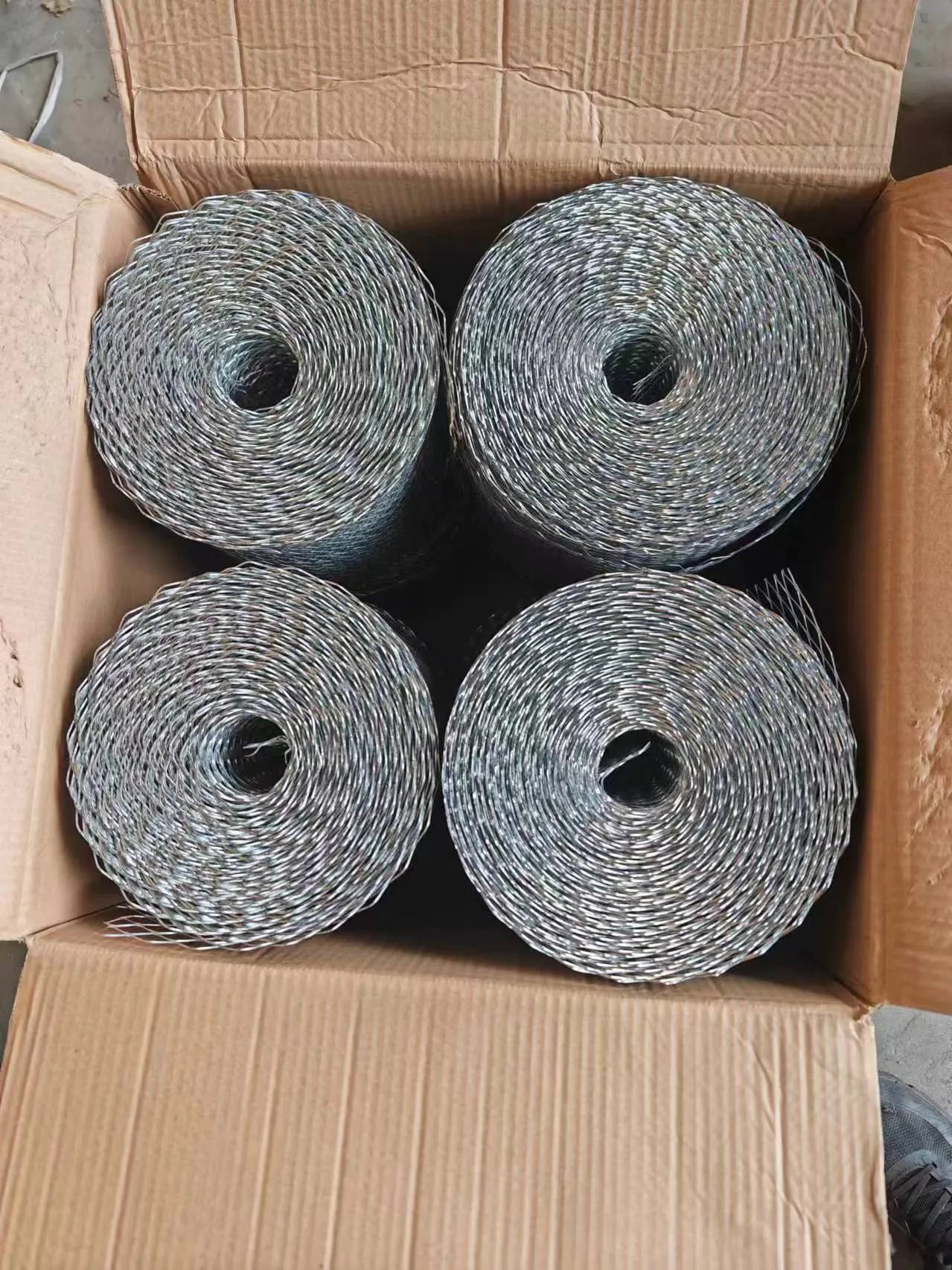
Electro galvanized iron wire is a carbon steel wire coated with a layer of zinc through an electrochemical process. This process imparts enhanced corrosion resistance compared to bare iron wire, making it a widely utilized material across diverse industrial and commercial applications. Positioned within the broader ferrous metals industry, it serves as a foundational component in fencing, construction, agriculture, cable armor, and various manufacturing processes. Its core performance characteristics – tensile strength, ductility, and corrosion protection – dictate its suitability for these applications. The galvanization process differentiates it from other iron wire products, offering a cost-effective barrier against environmental degradation. Industry pain points revolve around consistent zinc coating thickness, hydrogen embrittlement susceptibility, and achieving long-term performance in aggressive chemical environments.
Material Science & Manufacturing
The base material for electro galvanized iron wire is typically low-carbon steel, possessing a tensile strength ranging from 350-500 MPa and an elongation percentage of 15-25%. Key alloying elements present are manganese (0.2-0.6%), silicon (0.05-0.3%), phosphorus (0.04 max), and sulfur (0.05 max). These elements influence the steel's weldability, formability, and strength. The zinc used for electro galvanization is typically of 99.9% purity, minimizing impurity-induced coating defects.
The manufacturing process begins with wire drawing, reducing the steel rod's diameter to the desired gauge. This process induces work hardening, increasing the tensile strength but decreasing ductility, necessitating subsequent annealing to restore ductility. The critical step is electro galvanization, performed in a zinc sulfate-potassium chloride solution. The wire acts as the cathode, attracting zinc ions (Zn2+) which are reduced to metallic zinc (Zn) and deposited onto the wire surface. Key process parameters include current density (5-15 A/dm2), bath temperature (30-60°C), pH (4-6), and bath composition. Maintaining optimal parameters ensures uniform coating thickness and adherence. Post-galvanization, the wire undergoes passivation treatment using chromate conversion coatings to enhance corrosion resistance and improve coating adhesion. Modern alternatives to chromates, such as non-chromium passivation, are gaining prominence due to environmental concerns. Coating thickness typically ranges from 5-20 μm depending on the application and desired corrosion protection level. Hydrogen embrittlement, a significant concern, is mitigated through post-treatment baking to drive out absorbed hydrogen.
Performance & Engineering
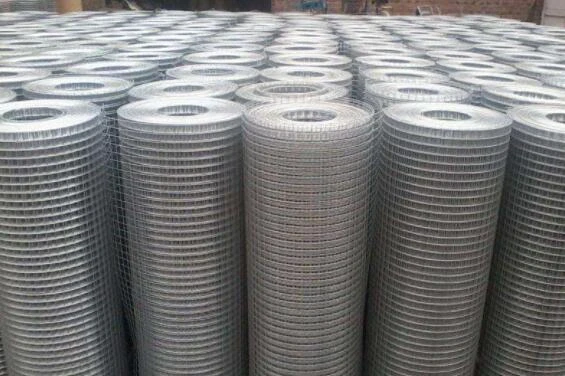
The performance of electro galvanized iron wire is primarily dictated by its corrosion resistance, tensile strength, and ductility. The zinc coating acts as a sacrificial anode, corroding preferentially to the underlying steel, thus providing cathodic protection. The effectiveness of this protection depends on coating thickness, coating uniformity, and the presence of defects. Force analysis reveals that the wire’s load-bearing capacity is primarily governed by its tensile strength and cross-sectional area. Bending stresses and torsional forces are also critical considerations in applications such as fencing and cable armoring. Environmental resistance is assessed through salt spray testing (ASTM B117), humidity testing (ASTM D322), and cyclic corrosion testing.
Compliance requirements vary based on the end-use application. For fencing applications, standards such as ASTM A121 and EN 10218-2 specify wire gauge, tensile strength, and coating requirements. For cable armoring, IEC 60502-2 outlines specific mechanical and corrosion resistance properties. The long-term performance is further influenced by the environmental conditions, including exposure to chlorides, sulfates, and industrial pollutants. Galvanic corrosion can occur when the galvanized wire is in contact with dissimilar metals in a conductive environment; therefore, proper material selection and insulation are essential. The wire’s performance is also influenced by its operational temperature range. At elevated temperatures, the zinc coating's corrosion resistance decreases, and at low temperatures, the wire may become brittle.
Technical Specifications
| Parameter | Unit | Typical Value | Testing Standard |
|---|---|---|---|
| Tensile Strength | MPa | 350-500 | ASTM A610 |
| Zinc Coating Thickness | μm | 5-20 | ASTM B693 |
| Elongation at Break | % | 15-25 | ASTM A610 |
| Wire Diameter | mm | 0.8-5.0 | Gauge Dependent |
| Hydrogen Embrittlement Resistance | Pass/Fail | Pass | ASTM F1624 |
| Salt Spray Resistance | Hours to Red Rust | 24-96 | ASTM B117 |
Failure Mode & Maintenance
Common failure modes in electro galvanized iron wire include corrosion, fatigue cracking, and hydrogen embrittlement. Corrosion typically initiates at coating defects, scratches, or areas of stress concentration. Uniform corrosion occurs in prolonged exposure to corrosive environments, gradually reducing the wire’s cross-sectional area. Fatigue cracking can occur under cyclical loading, particularly in applications involving bending or twisting. Hydrogen embrittlement, as previously mentioned, is a critical concern, leading to brittle fracture. Localized corrosion, such as pitting, can also occur in the presence of chlorides. Oxidation of the zinc coating, particularly at elevated temperatures, can also contribute to degradation.
Maintenance strategies include periodic inspection for signs of corrosion or damage. Removal of corrosion products and reapplication of protective coatings (zinc-rich paint or re-galvanization) can extend the wire’s service life. Avoidance of contact with dissimilar metals in conductive environments is crucial. For applications subjected to cyclical loading, regular stress relief treatments can mitigate fatigue cracking. In environments prone to hydrogen embrittlement, the use of corrosion inhibitors and post-treatment baking are recommended. Proper storage in dry conditions is also essential to prevent premature corrosion. For critical applications, non-destructive testing methods (e.g., ultrasonic testing) can be employed to detect internal defects before they lead to failure.
Industry FAQ
Q: What is the primary difference between electro galvanization and hot-dip galvanization in terms of corrosion protection?
A: While both processes aim to protect steel with a zinc coating, hot-dip galvanization typically results in a thicker, more robust coating offering superior long-term corrosion resistance, especially in harsh environments. Electro galvanization produces a thinner, more uniform coating suitable for applications where precise dimensions are critical and a highly uniform coating is preferred. However, hot-dip galvanization can sometimes result in a less smooth surface finish.
Q: How does the steel’s carbon content impact the electro galvanization process?
A: Higher carbon content in the steel can lead to increased hydrogen absorption during electro galvanization, exacerbating the risk of hydrogen embrittlement. Low-carbon steel is preferred because it minimizes this risk. Annealing after wire drawing is essential to reduce internal stresses in the steel, further minimizing hydrogen uptake.
Q: What passivation treatments are used after electro galvanization, and what are their benefits?
A: Traditionally, chromate conversion coatings were used for passivation, providing excellent corrosion resistance. However, due to environmental regulations, non-chromium passivation treatments are increasingly employed. These include phosphate coatings, polymer coatings, and proprietary formulations designed to enhance corrosion resistance and coating adhesion without the use of hexavalent chromium.
Q: Can electro galvanized wire be welded, and what precautions should be taken?
A: Electro galvanized wire can be welded, but the zinc coating will burn off in the weld area, potentially reducing corrosion resistance. Proper welding techniques, such as using low heat input and employing a flux containing zinc, can minimize this effect. Post-weld treatment with a zinc-rich coating is often recommended to restore corrosion protection.
Q: How does temperature affect the long-term performance of electro galvanized wire?
A: Elevated temperatures can accelerate the corrosion rate of the zinc coating. Furthermore, at very high temperatures, the zinc can melt or vaporize. Conversely, low temperatures can cause the wire to become brittle, increasing the risk of fracture under stress. Therefore, specifying the operating temperature range is crucial for selecting the appropriate wire gauge and coating thickness.
Conclusion
Electro galvanized iron wire remains a vital material in numerous industries due to its balance of cost-effectiveness, tensile strength, and corrosion resistance. The manufacturing process, while seemingly straightforward, requires precise control of numerous parameters to ensure a high-quality, durable product. Understanding the material science principles underlying the galvanization process – from steel composition to zinc deposition – is paramount for optimizing performance and mitigating failure modes.
Looking forward, advancements in non-chromium passivation treatments and corrosion inhibitors will continue to enhance the environmental sustainability and longevity of electro galvanized wire. Furthermore, ongoing research into alloyed zinc coatings and innovative surface treatments will likely yield even greater corrosion protection and performance characteristics. Careful consideration of application-specific requirements, coupled with adherence to relevant industry standards, will ensure the continued reliability and widespread adoption of this essential material.