



Introduction
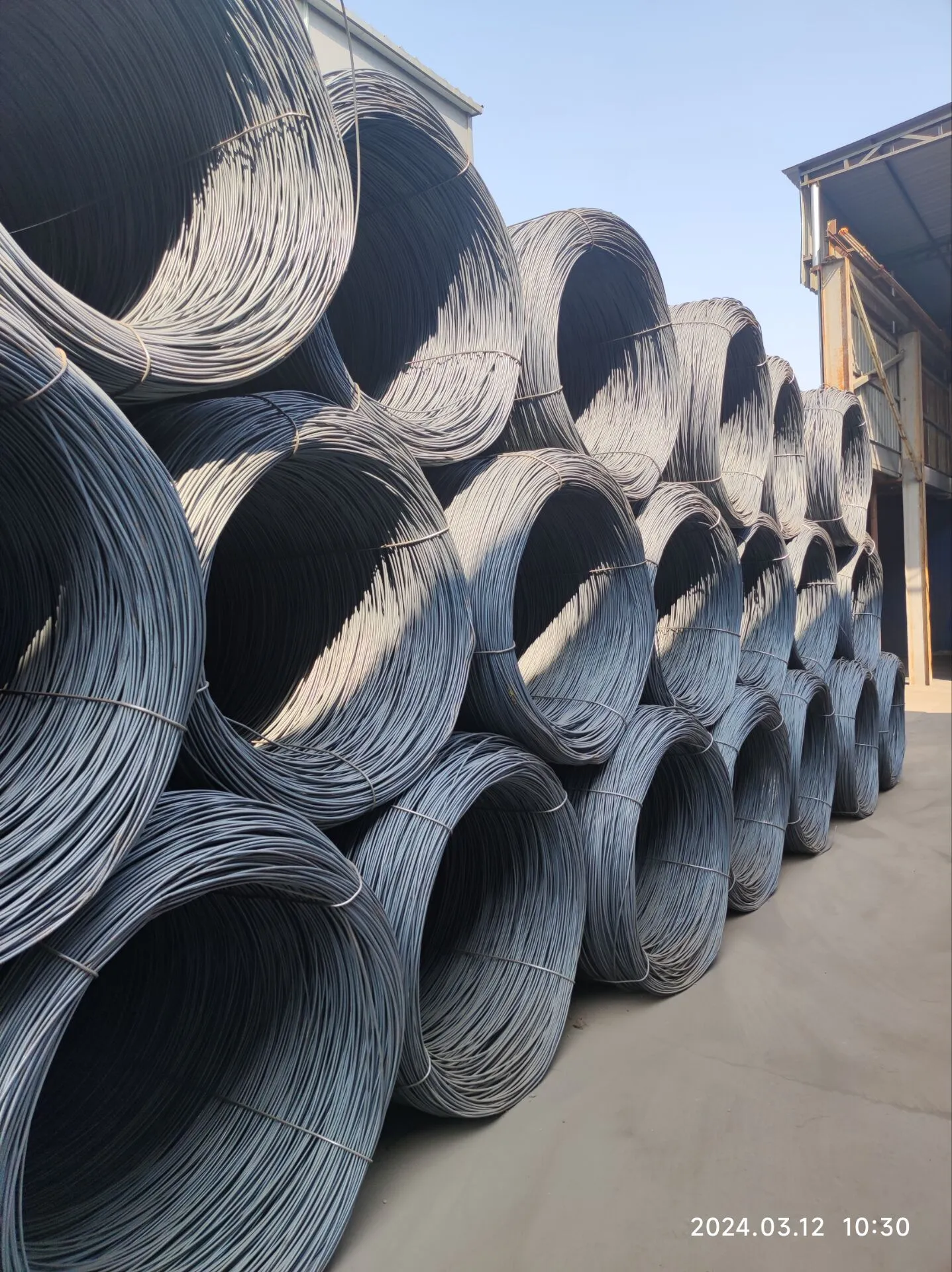
Galvanised iron wire is a carbon steel wire coated with a layer of zinc. This coating provides protection against corrosion, making it a widely used material in numerous industrial and consumer applications. Positioned within the metals industry supply chain as a semi-finished product, it serves as a vital component in construction, agriculture, telecommunications, security fencing, and the manufacturing of various hardware products. The core performance characteristics of galvanised iron wire hinge upon its tensile strength, ductility, corrosion resistance, and formability. The zinc coating acts as a sacrificial anode, preferentially corroding before the underlying steel, thereby extending the lifespan of the wire in harsh environments. Understanding these properties is critical for engineers and procurement professionals aiming for optimal material selection and long-term structural integrity.
Material Science & Manufacturing
The primary raw material for galvanised iron wire is low-carbon steel, typically containing 0.05% to 0.25% carbon. The steel's inherent properties, including ductility and weldability, are crucial for the wire drawing process. Zinc, in either 98.5% or 99.995% purity, is the coating material. The manufacturing process commences with hot-rolling steel billets into wire rod. This rod then undergoes pickling to remove mill scale, followed by acid cleaning to prepare the surface for galvanisation. Two primary galvanisation methods are employed: hot-dip galvanising and electro-galvanising. Hot-dip galvanising involves immersing the wire in a bath of molten zinc (typically 450-460°C). This process creates a metallurgical bond between the zinc and steel, resulting in a thick, durable coating. Controlling the immersion time and zinc bath composition is paramount to achieving consistent coating thickness. Electro-galvanising utilizes an electrolytic process, depositing zinc ions onto the steel wire via an electric current. This method yields a thinner, more uniform coating but generally offers less corrosion resistance than hot-dip galvanising. Post-galvanising, the wire is cooled, and often subjected to passivation treatments to enhance corrosion resistance further. Key parameters controlled throughout the process include steel grade, zinc bath temperature, wire drawing speed, and cooling rate. The resulting microstructure of the zinc coating significantly impacts its protective capabilities.
Performance & Engineering
The performance of galvanised iron wire is heavily influenced by its mechanical and environmental resistance properties. Tensile strength, typically ranging from 350 MPa to 800 MPa depending on the steel grade and wire diameter, dictates its load-bearing capacity. Ductility, measured by elongation percentage, determines its ability to deform without fracturing. Corrosion resistance is directly related to the zinc coating thickness and the presence of any defects. Environmental factors such as humidity, salinity, and atmospheric pollutants accelerate corrosion rates. Galvanised wire used in marine environments requires thicker zinc coatings. Force analysis reveals that the wire’s performance under load is affected by factors such as bending radius, tensile stress, and cyclic loading. Repeated bending can induce fatigue cracking, reducing the wire's lifespan. Compliance requirements, such as those outlined in ASTM A641 and EN 10244-2, specify minimum zinc coating weights and mechanical property standards. Furthermore, the wire’s performance is impacted by the specific application. For example, wire used in high-stress fencing applications requires higher tensile strength and greater resistance to deformation than wire used for tying purposes. Understanding the interplay between these factors is crucial for proper engineering design and material selection.
Technical Specifications
| Parameter | Unit | Typical Value (Low Carbon Steel) | Typical Value (High Tensile Steel) |
|---|---|---|---|
| Tensile Strength | MPa | 400 - 550 | 700 - 800 |
| Elongation | % | 15 - 25 | 8 - 15 |
| Zinc Coating Weight | g/m² | 60 - 80 | 80 - 120 |
| Wire Diameter | mm | 0.8 - 4.0 | 1.2 - 6.0 |
| Zinc Purity | % | 98.5 min | 99.95 min |
| Hydrogen Embrittlement Risk | Qualitative | Low | Medium (requires post-coating treatment) |
Failure Mode & Maintenance
Galvanised iron wire is susceptible to several failure modes. Corrosion, despite the zinc coating, remains a primary concern, especially in aggressive environments. Uniform corrosion gradually reduces the wire’s cross-sectional area, leading to eventual failure. Pitting corrosion, often initiated by chloride ions, creates localized corrosion cells, accelerating material loss. Hydrogen embrittlement can occur during the pickling and galvanising processes, where atomic hydrogen diffuses into the steel, making it brittle and prone to cracking, particularly under stress. Fatigue cracking results from repeated cyclic loading, initiating at stress concentrators such as bends or surface defects. Mechanical damage, including cuts, abrasions, and impact, can compromise the zinc coating, exposing the underlying steel to corrosion. Maintenance strategies involve regular inspection for signs of corrosion or damage. Damaged coatings can be repaired with zinc-rich paints or re-galvanisation. Preventative measures include avoiding harsh chemicals, minimizing exposure to saltwater, and applying protective coatings. For applications in highly corrosive environments, consider using thicker zinc coatings, alternative corrosion-resistant alloys, or employing cathodic protection systems. Proper storage, preventing contact with dissimilar metals to avoid galvanic corrosion, is also essential.
Industry FAQ
Q: What is the difference between hot-dip galvanising and electro-galvanising in terms of corrosion protection?
A: Hot-dip galvanising provides a thicker zinc coating with superior corrosion resistance due to the metallurgical bond formed between the zinc and steel. This thicker coating offers greater sacrificial protection. Electro-galvanising results in a thinner, more uniform coating that is less durable in harsh environments but may be preferred for applications requiring a smoother surface finish.
Q: How does wire diameter affect the tensile strength and ductility of galvanised iron wire?
A: Generally, increasing the wire diameter increases the tensile strength, allowing it to withstand greater loads. However, increasing diameter often reduces ductility, making the wire less flexible. There’s a trade-off dependent on the steel grade and manufacturing process.
Q: What is hydrogen embrittlement and how can it be mitigated?
A: Hydrogen embrittlement is a phenomenon where atomic hydrogen diffuses into the steel, reducing its ductility and increasing its susceptibility to cracking. It can occur during pickling and galvanising. Mitigation involves controlling the acid pickling process, using inhibitors, and applying post-coating heat treatments to drive out the hydrogen.
Q: What standards govern the quality and performance of galvanised iron wire?
A: Key standards include ASTM A641 (Standard Specification for Zinc-Coated Steel Wire), EN 10244-2 (Steel wire - Non-ferrous metallic coatings - Zinc coatings), and ISO 8887 (Wire of medium and high carbon steel - General purpose).
Q: How does the presence of chlorides in the environment impact the corrosion rate of galvanised iron wire?
A: Chlorides are highly corrosive and accelerate the degradation of the zinc coating. They promote pitting corrosion, creating localized areas of rapid metal loss. In marine environments or areas exposed to de-icing salts, thicker zinc coatings or alternative corrosion-resistant materials are recommended.
Conclusion
Galvanised iron wire remains a critical material across diverse industries due to its cost-effectiveness and inherent corrosion resistance. The performance of this wire is intricately linked to material selection, manufacturing processes, and environmental factors. Understanding the nuances of steel grade, zinc coating properties, and potential failure modes is paramount for ensuring structural integrity and longevity.
Future development focuses on enhancing corrosion protection through advanced coating technologies, exploring alternative zinc alloys, and optimizing manufacturing processes to minimize defects. Continued adherence to international standards and rigorous quality control will be vital in maintaining the reliability and performance of galvanised iron wire in increasingly demanding applications.