




Introduction
Galvanised steel wire is a carbon steel wire coated with a protective layer of zinc. This coating provides corrosion resistance, making it a crucial material across diverse industrial applications. Positioned within the metal products supply chain, galvanised steel wire serves as a base material for further processing into components like fences, cables, springs, mesh, and reinforcement materials. Its core performance characteristics revolve around tensile strength, ductility, corrosion resistance, and formability. The level of galvanisation, typically measured in zinc coating weight (g/m²), directly influences its corrosion protection capability, with heavier coatings offering extended service life in aggressive environments. The industry currently faces challenges related to consistent coating quality, hydrogen embrittlement susceptibility during manufacturing, and increasing demands for environmentally sustainable galvanising processes.
Material Science & Manufacturing
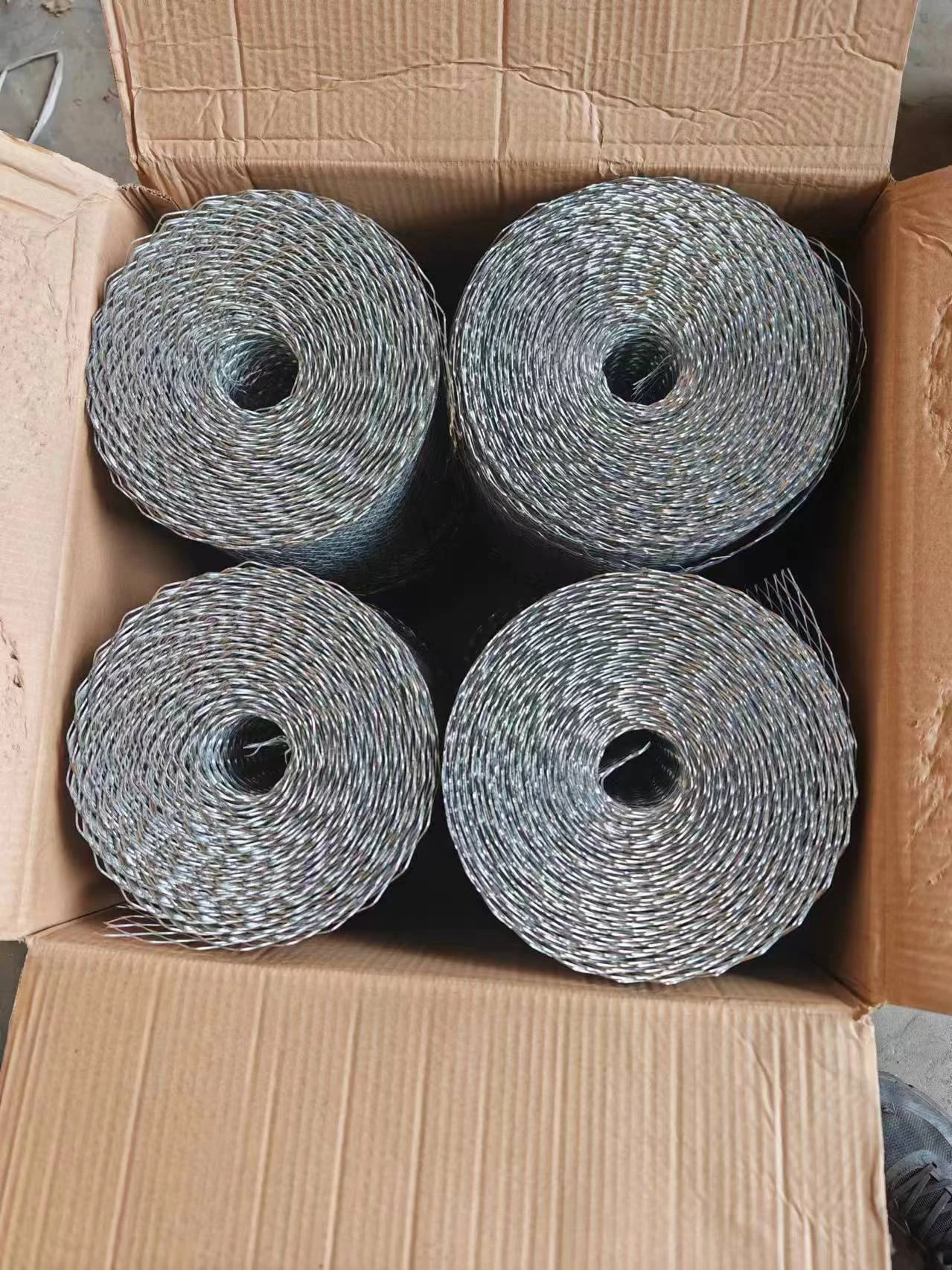
The primary raw material for galvanised steel wire is carbon steel, commonly utilizing grades such as SAE 1008, 1018, or equivalent standards. The steel’s chemical composition dictates its mechanical properties; higher carbon content increases strength but reduces ductility. Zinc used for galvanisation typically has a purity of 98.5% or higher. The manufacturing process begins with wire drawing, reducing the steel billet’s diameter to the desired wire gauge. Following drawing, the wire undergoes a cleaning process to remove oils, scale, and rust – typically involving alkaline degreasing, acid pickling (using hydrochloric or sulfuric acid), and thorough rinsing. The galvanisation process itself predominantly employs hot-dip galvanising. In this method, the cleaned wire is immersed in a molten zinc bath (typically 450-460°C). The steel-zinc metallurgical reaction forms a series of zinc-iron alloy layers, culminating in an outer layer of pure zinc. Critical parameters include bath temperature, immersion time, and cooling rate. Electrogalvanising, an alternative, uses an electrolytic process to deposit zinc onto the wire. Post-galvanisation treatments often involve passivation with chromate conversion coatings (although increasingly restricted due to environmental concerns) or alternative passivation solutions to enhance corrosion resistance and appearance. The control of cooling rates during galvanising is critical to minimise thermal stress and prevent potential warping or cracking of the wire.
Performance & Engineering
The mechanical performance of galvanised steel wire is governed by the properties of both the steel core and the zinc coating. Tensile strength is a critical parameter, typically ranging from 400-800 MPa depending on the steel grade and wire diameter. Ductility, measured by elongation at break, is essential for forming and bending operations. The zinc coating provides cathodic protection; the zinc corrodes preferentially, protecting the underlying steel. However, the coating's effectiveness is influenced by its thickness, uniformity, and the presence of defects. Environmental resistance is paramount. Galvanised steel wire performs well in atmospheric conditions, freshwater, and saltwater environments. However, exposure to specific chemicals (e.g., concentrated acids, strong alkalis) can accelerate corrosion. Force analysis, particularly in applications involving wire ropes or springs, requires considering the wire's fatigue strength and creep resistance. Hydrogen embrittlement is a significant concern. The acid pickling process can introduce hydrogen into the steel, which can diffuse to the grain boundaries and cause delayed cracking under stress. Post-pickling baking (hydrogen embrittlement relief) is often employed to mitigate this risk. Compliance requirements vary by application and region, often adhering to ASTM standards for material properties and coating quality, and EN standards for specific applications like fencing and cable construction.
Technical Specifications
| Parameter | Units | Typical Range (Low Carbon Steel Core) | Testing Standard |
|---|---|---|---|
| Tensile Strength | MPa | 400 – 700 | ASTM A854 |
| Elongation at Break | % | 15 – 25 | ASTM A854 |
| Zinc Coating Weight | g/m² | 50 – 275 | ASTM A646 |
| Wire Diameter | mm | 0.8 – 6.0 | ISO 9387 |
| Hydrogen Embrittlement Resistance | Pass/Fail | Pass (After Baking) | ASTM A871 |
| Corrosion Resistance (Salt Spray Test) | Hours to Red Rust | 240 – 720 | ASTM B117 |
Failure Mode & Maintenance
Common failure modes for galvanised steel wire include uniform corrosion (leading to gradual material loss), localised corrosion (e.g., pitting, crevice corrosion), and mechanical failure (e.g., fatigue cracking, tensile rupture). Crevice corrosion can occur in areas where the zinc coating is damaged, allowing moisture and corrosive agents to accumulate. Fatigue cracking is prevalent in applications involving cyclic loading, initiated at stress concentrators like bends or surface imperfections. Hydrogen embrittlement, as previously mentioned, leads to brittle failure under tensile stress. Coating defects, such as pinholes or incomplete coverage, accelerate corrosion. Maintenance strategies depend on the application. For fencing, regular inspection for damaged coatings and prompt repair of any breaches are crucial. For wire ropes, lubrication reduces friction and wear, extending service life. In corrosive environments, periodic cleaning to remove salt deposits or other contaminants is recommended. When replacing galvanised steel wire, proper disposal methods adhering to local environmental regulations are essential to recycle the zinc and steel components. Regular monitoring of coating thickness using non-destructive testing methods (e.g., magnetic induction) can help predict remaining service life.
Industry FAQ
Q: What is the impact of steel core composition on the galvanising process and final product properties?
A: The steel core composition significantly affects the galvanising process and final properties. Higher carbon content increases steel hardness and strength but reduces ductility, potentially leading to cracking during forming. Impurities in the steel can also influence the zinc-steel reaction, affecting coating adhesion and uniformity. Careful steel grade selection is crucial based on the intended application and galvanising process.
Q: How does the hot-dip galvanising process differ from electrogalvanising in terms of coating characteristics and cost?
A: Hot-dip galvanising provides a thicker, more robust coating with superior corrosion resistance due to the formation of zinc-iron alloy layers. It's generally more cost-effective for large-scale production. Electrogalvanising offers better control over coating thickness and surface finish, but typically results in a thinner coating with lower corrosion resistance. Electrogalvanising is often preferred for applications requiring a precise coating thickness or a specific aesthetic appearance.
Q: What are the current industry trends concerning environmentally friendly galvanising alternatives?
A: There's a growing trend towards replacing traditional chromate passivation treatments with more environmentally friendly alternatives like zinc-nickel alloys, organic coatings, and trivalent chromium passivation. Research is also focusing on reducing zinc consumption through optimised process control and alloy additions. The use of recycled zinc is also gaining traction to minimize environmental impact.
Q: How does hydrogen embrittlement occur, and what steps can be taken to prevent it?
A: Hydrogen embrittlement occurs when atomic hydrogen, generated during acid pickling, diffuses into the steel lattice and accumulates at grain boundaries, reducing ductility and increasing susceptibility to cracking under stress. Prevention involves minimizing pickling time and acid concentration, using inhibitors to suppress hydrogen generation, and employing post-pickling baking to drive out the absorbed hydrogen.
Q: What is the significance of the zinc coating weight, and how is it measured?
A: Zinc coating weight (g/m²) directly correlates with corrosion resistance; higher coating weights provide longer protection. It's measured using various methods including the weight difference method (destructive testing), eddy current testing (non-destructive), and coulometric titration. The required coating weight depends on the intended service environment and application standards.
Conclusion
Galvanised steel wire remains a critical component in numerous industries due to its inherent strength, ductility, and, most importantly, corrosion resistance afforded by the zinc coating. The manufacturing process, while well-established, requires stringent control over parameters like cleaning, immersion time, and cooling rates to ensure consistent coating quality and mitigate risks like hydrogen embrittlement. Understanding the interplay between the steel core composition, coating thickness, and environmental factors is essential for selecting the appropriate grade and specification for a given application.
Looking ahead, the industry is actively pursuing more sustainable galvanising processes, exploring alternatives to traditional chromate passivation, and focusing on optimizing zinc usage. Advances in non-destructive testing methods will also play a crucial role in enabling more effective monitoring of coating integrity and predicting remaining service life, ultimately enhancing the long-term reliability and cost-effectiveness of galvanised steel wire in demanding environments.