



Introduction
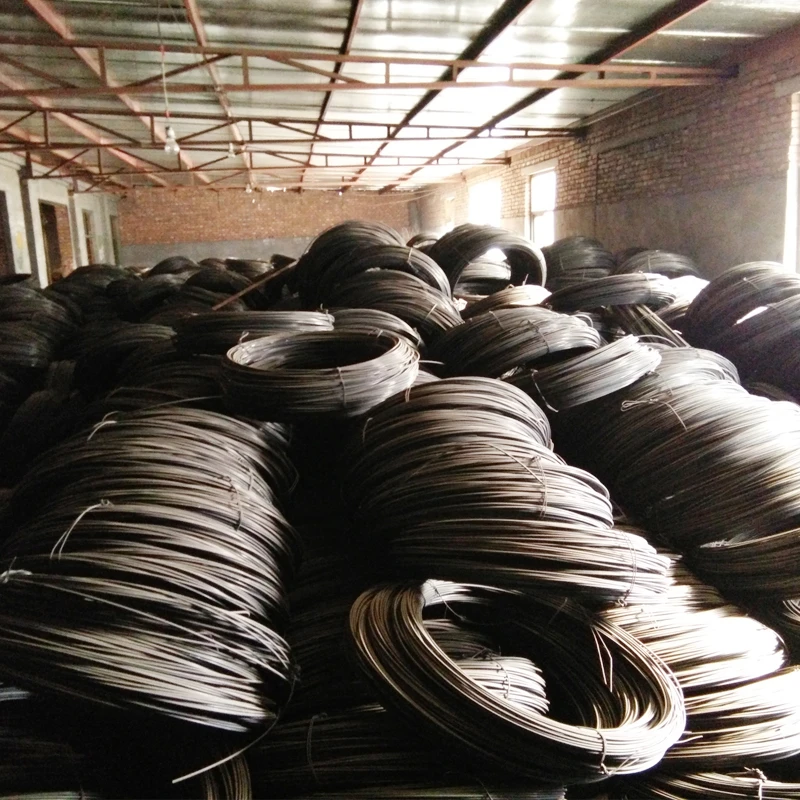
Galvanised tension wire is a high-strength steel wire coated with a layer of zinc, primarily used in applications requiring significant tensile strength and resistance to environmental corrosion. Positioned within the broader steel wire rope and cable industry, it serves as a critical component in power transmission lines, stay wires for towers, fencing systems, and various structural support applications. Its technical importance stems from its ability to withstand sustained high loads while resisting the deleterious effects of atmospheric exposure, extending service life and reducing maintenance costs. Core performance characteristics include tensile strength, elongation, zinc coating thickness, and resistance to hydrogen embrittlement. The selection of galvanised tension wire over alternative materials, such as stainless steel, is often a cost-benefit analysis considering the anticipated service environment and required lifespan.
Material Science & Manufacturing
The base material for galvanised tension wire is typically high-carbon steel, ranging from AISI 1060 to 1095, selected for its inherent strength and ductility. The steel undergoes a cold drawing process to achieve the desired wire diameter and tensile properties. This process work-hardens the steel, increasing its yield strength, but also reducing its ductility. Critical parameters during cold drawing include die lubrication, reduction ratio per pass, and annealing procedures. Following drawing, the wire undergoes a cleaning and pickling process to remove surface oxides and contaminants, preparing it for galvanisation.
Galvanisation is typically achieved through a hot-dip process. The cleaned wire is immersed in a molten zinc bath (typically 98% pure zinc) maintained at around 450°C. A metallurgical reaction occurs, forming a series of zinc-iron alloy layers bonded to the steel substrate. The composition of these layers – Gamma (ζ), Delta (δ), Zeta (η) – dictates the corrosion resistance and adhesion of the coating. Controlling bath temperature, immersion time, and wire speed are essential for achieving a uniform and adherent zinc coating of the specified thickness. Alternatives to hot-dip galvanisation include electro-galvanisation, which produces a thinner, more uniform coating but generally offers lower corrosion resistance. Post-galvanisation, the wire is often subjected to passivation treatments, such as chromate conversion coating, to enhance corrosion protection and prevent ‘white rust’ formation during storage.
Performance & Engineering
The primary performance requirement for galvanised tension wire is its ability to sustain high tensile loads without failure. This is governed by the steel's ultimate tensile strength (UTS), yield strength (YS), and elongation at break. Engineering calculations consider a safety factor to account for dynamic loads, fatigue, and environmental effects. The zinc coating plays a crucial role in preventing corrosion, which can significantly reduce the wire's load-carrying capacity over time. Corrosion initiates at surface defects or discontinuities in the zinc coating, leading to localised pitting and eventual fracture.
Environmental resistance is paramount. Galvanised wire used in coastal environments or industrial areas with high sulfur dioxide concentrations requires thicker zinc coatings and potentially supplementary protective measures. Hydrogen embrittlement is a significant concern, particularly for high-strength steel wires. Atomic hydrogen, generated during the corrosion process, can diffuse into the steel lattice, reducing its ductility and increasing its susceptibility to brittle fracture. Baking treatments post-galvanisation can help mitigate hydrogen embrittlement. Compliance requirements vary by region and application. Power transmission lines, for example, are subject to stringent standards defined by organizations like the IEEE and IEC, governing wire strength, coating thickness, and long-term reliability.
Technical Specifications
| Parameter | Typical Value (SAE J1046 Grade A) | Testing Standard | Units |
|---|---|---|---|
| Ultimate Tensile Strength | 1770 - 2070 | ASTM A371 | MPa |
| Yield Strength | 1450 - 1650 | ASTM A371 | MPa |
| Elongation at Break | 3 - 5 | ASTM A371 | % |
| Zinc Coating Thickness (Hot-Dip) | 80 - 120 | ASTM A153 | µm |
| Zinc Coating Uniformity | ±10% | ASTM A153 | % |
| Hydrogen Embrittlement Resistance | Pass | ASTM F1470 | Qualitative |
Failure Mode & Maintenance
Common failure modes for galvanised tension wire include tensile overload, fatigue cracking, corrosion-induced failure, and hydrogen embrittlement. Tensile overload occurs when the applied load exceeds the wire's ultimate tensile strength, resulting in immediate fracture. Fatigue cracking develops over time due to cyclic loading, initiating at stress concentrators such as surface defects or bends. Corrosion, particularly galvanic corrosion when in contact with dissimilar metals, degrades the steel substrate, reducing its cross-sectional area and load-carrying capacity. As previously mentioned, hydrogen embrittlement can cause brittle fracture even at stresses below the yield strength.
Maintenance strategies focus on regular inspection for signs of corrosion, damage, or deformation. Visual inspection should identify areas of rust, pitting, or wire breaks. Non-destructive testing (NDT) methods, such as magnetic particle inspection and ultrasonic testing, can detect internal cracks or flaws. Periodic application of protective coatings, such as zinc-rich paints or greases, can replenish the zinc layer and enhance corrosion resistance. Replacement of wires exhibiting significant corrosion or damage is crucial to prevent catastrophic failure. Proper installation techniques, ensuring correct tensioning and minimizing bending stresses, are also essential for maximizing service life. Regularly monitoring tension levels and adjusting as needed will prevent overstressing and premature failure.
Industry FAQ
Q: What is the impact of varying zinc coating thicknesses on the long-term performance of galvanised tension wire?
A: A thicker zinc coating provides greater corrosion protection, extending the wire's service life, especially in harsh environments. However, thicker coatings can also introduce increased internal stresses during cooling, potentially impacting ductility and hydrogen embrittlement susceptibility. The optimal coating thickness is a trade-off between corrosion resistance and mechanical properties, dictated by the specific application and environmental conditions.
Q: How does the steel grade influence the susceptibility to hydrogen embrittlement in galvanised tension wire?
A: Higher strength steel grades, while offering increased tensile capacity, are generally more susceptible to hydrogen embrittlement. The higher tensile stresses within the steel lattice facilitate hydrogen diffusion and accumulation. Selecting a steel grade with a balance of strength and ductility, and employing post-galvanisation baking treatments to remove dissolved hydrogen, are crucial for mitigating this risk.
Q: What are the key considerations when specifying galvanised tension wire for power transmission lines?
A: Key considerations include compliance with relevant industry standards (IEEE, IEC), ensuring sufficient tensile strength to withstand ice loading and wind forces, adequate zinc coating thickness for the anticipated corrosion environment, and resistance to vibration-induced fatigue. Regular inspection and maintenance programs are also vital for ensuring long-term reliability.
Q: How does the manufacturing process (cold drawing and hot-dip galvanisation) affect the mechanical properties of the wire?
A: Cold drawing increases tensile strength but reduces ductility. Hot-dip galvanisation introduces internal stresses and can potentially affect ductility, especially if not properly controlled. Annealing between drawing and galvanising can restore some ductility. Controlled cooling rates during galvanisation are also essential to minimize residual stresses.
Q: What are the alternatives to galvanisation for corrosion protection, and what are their relative advantages and disadvantages?
A: Alternatives include electro-galvanisation, stainless steel, and polymer coatings. Electro-galvanisation offers a more uniform coating but with lower corrosion resistance. Stainless steel provides superior corrosion resistance but is significantly more expensive. Polymer coatings can offer good protection but are susceptible to abrasion and UV degradation. The choice depends on cost constraints, environmental requirements, and desired service life.
Conclusion
Galvanised tension wire remains a cornerstone material in numerous infrastructure and industrial applications, providing a robust and cost-effective solution for demanding tensile and environmental requirements. Understanding the interplay between material science, manufacturing processes, and performance characteristics is crucial for selecting the appropriate wire grade and ensuring long-term reliability. The susceptibility to corrosion and hydrogen embrittlement necessitates diligent inspection, maintenance, and adherence to established industry standards.
Future developments in galvanisation technology, such as advanced zinc alloy coatings and improved passivation treatments, promise to further enhance the corrosion resistance and durability of galvanised tension wire. Continued research into mitigating hydrogen embrittlement, through alloy design and process optimization, will also be essential for extending the service life of these critical components, particularly in high-stress applications. Proper material selection, coupled with rigorous quality control and proactive maintenance, will continue to define the successful deployment of galvanised tension wire for years to come.