



Introduction
Galvanised wire for wisteria support represents a specific application within the broader landscape of horticultural support structures. It is a crucial component in providing the necessary scaffolding for climbing plants, specifically wisteria, leveraging the corrosion resistance of galvanisation to withstand outdoor environmental conditions. This guide provides a detailed technical overview of galvanised wire employed in this context, covering material science, manufacturing processes, performance characteristics, failure modes, and relevant industry standards. The selection of appropriate galvanised wire is critical for ensuring the longevity and structural integrity of wisteria support systems, mitigating risks associated with plant damage, and reducing long-term maintenance costs. The core performance attribute relies on tensile strength, corrosion resistance, and the ability to conform to desired shapes without fracture. The industry faces challenges related to inconsistent galvanisation coating quality, premature corrosion in harsh environments, and the potential for zinc toxicity to surrounding soil and plants.
Material Science & Manufacturing
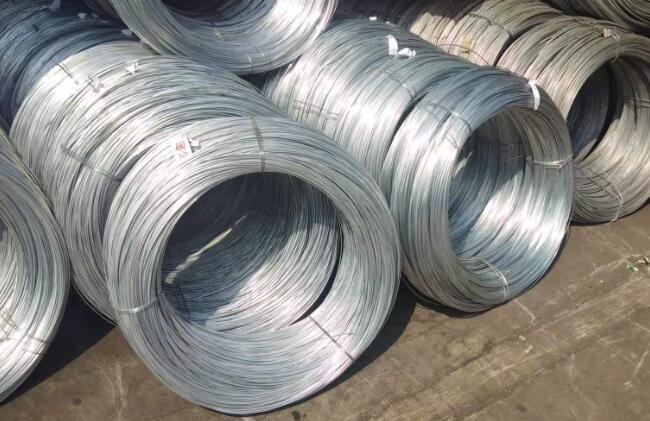
The primary material used is low-carbon steel wire, typically SAE 1008 or equivalent, chosen for its ductility and weldability. The steel’s composition impacts its tensile strength and susceptibility to corrosion. Manufacturing begins with hot rolling of steel billets into wire stock, followed by drawing through a series of dies to achieve the desired gauge. This cold working process increases tensile strength but reduces ductility, necessitating subsequent annealing to restore malleability. The galvanisation process is the critical step for corrosion protection. Hot-dip galvanising is the most common method, involving immersion of the steel wire in a molten zinc bath (typically 98% pure zinc) maintained at approximately 450°C. This creates a metallurgical bond between the zinc and the steel, forming a series of zinc-iron alloy layers, followed by an outer layer of pure zinc. The thickness of the zinc coating, measured in grams per square meter (gsm), dictates the level of corrosion protection. A typical coating for wisteria support wire ranges from 60-80 gsm. Critical parameters during galvanisation include bath temperature, immersion time, and steel surface preparation (cleaning to remove oxides and contaminants). Electrogalvanising provides a thinner, more uniform coating but offers less corrosion resistance than hot-dip galvanising. Post-galvanisation, the wire is often treated with passivation agents (chromates or non-chromate alternatives) to enhance corrosion resistance and prevent ‘white rust’ formation (zinc oxide/hydroxide).
Performance & Engineering
The performance of galvanised wire for wisteria support is defined by several key engineering parameters. Tensile strength, typically ranging from 400-550 MPa for common wire gauges, dictates the load-bearing capacity and resistance to breakage under the weight of the wisteria vines and environmental stresses (wind, snow). Yield strength, generally around 250-350 MPa, indicates the point at which permanent deformation begins. Elongation at break, typically 10-15%, measures the ductility of the wire and its ability to withstand strain before fracturing. Corrosion resistance is paramount, assessed through salt spray testing (ASTM B117) where exposure to a 5% sodium chloride solution simulates marine environments. The galvanisation coating thickness directly correlates to the duration of protection; thicker coatings provide longer service life. Environmental factors such as pH of the soil, proximity to saltwater, and atmospheric pollution significantly impact corrosion rates. The design of the support structure is also crucial. Wire gauge selection must account for span length, vine weight, and anticipated wind loads. Fatigue resistance is important for wires subjected to repeated bending and flexing. Creep, or slow deformation under constant tensile stress, can also occur over time, particularly in warmer climates. The wire must also be adequately sized to prevent ‘cutting’ into the wisteria stems as the vine grows.
Technical Specifications
| Parameter | Unit | Typical Value | Testing Standard |
|---|---|---|---|
| Tensile Strength | MPa | 450-550 | ASTM A641 |
| Yield Strength | MPa | 280-380 | ASTM A641 |
| Elongation at Break | % | 12-18 | ASTM A641 |
| Zinc Coating Thickness | gsm | 60-80 | ASTM B693 |
| Wire Diameter | mm | 2.0 - 4.0 | Dimensional Tolerances per Manufacturer |
| Salt Spray Resistance | hours | 240-480 | ASTM B117 |
Failure Mode & Maintenance
Failure modes in galvanised wire used for wisteria support typically fall into several categories. Corrosion is the most common, initiating at scratches, dents, or areas where the galvanisation coating is compromised. ‘White rust’ can form rapidly in humid environments if the passivation layer is damaged. Underground or soil-contact portions of the wire are particularly vulnerable to corrosion due to galvanic action between the zinc coating and dissimilar metals in the soil. Mechanical failure can occur due to exceeding the tensile strength of the wire (overloading) or fatigue cracking from repeated bending or vibration. Hydrogen embrittlement, a rare but potentially catastrophic failure mode, can occur during the galvanisation process if excessive hydrogen diffuses into the steel, leading to reduced ductility and brittle fracture. Maintenance involves regular visual inspection for signs of corrosion, particularly at connection points and areas exposed to moisture. Damaged galvanisation coatings should be repaired using zinc-rich paints or coatings. Wires exhibiting significant corrosion or fatigue cracking should be replaced immediately. Preventative measures include ensuring proper drainage around the support structure to minimize moisture exposure and avoiding contact with dissimilar metals that can accelerate corrosion. Periodic cleaning to remove dirt, debris, and accumulated salts can also extend the wire’s service life. Application of a protective coating over the galvanisation, like a clear sealant, can further enhance corrosion resistance.
Industry FAQ
Q: What wire gauge is most appropriate for supporting a mature wisteria vine with an expected weight of 50kg?
A: A wire gauge of 3.0mm to 4.0mm (approximately 10-12 gauge) is generally recommended for supporting a mature wisteria vine weighing 50kg. This assumes a reasonable span length (under 2 meters) between support posts. However, a detailed engineering calculation considering the specific span length, anticipated wind loads, and safety factor is crucial for accurate sizing. Consulting with a structural engineer is advisable for complex installations.
Q: Is electrogalvanised wire a suitable alternative to hot-dip galvanised wire for wisteria support?
A: While electrogalvanised wire is less expensive, it provides significantly less corrosion protection than hot-dip galvanised wire. For long-term outdoor exposure, particularly in harsh environments, hot-dip galvanisation is strongly recommended. Electrogalvanisation may be acceptable for sheltered locations with minimal moisture exposure, but the service life will be substantially shorter.
Q: How can I mitigate the risk of corrosion where the galvanised wire is in contact with aluminium support posts?
A: Aluminium and zinc are galvanically dissimilar, leading to accelerated corrosion of the zinc. To mitigate this, use a non-conductive barrier material (e.g., a plastic sleeve or heavy-duty tape) to electrically isolate the wire from the aluminium post. Alternatively, consider using stainless steel fasteners and connection hardware to minimize galvanic corrosion.
Q: What is the typical lifespan of galvanised wire used for wisteria support in a coastal environment?
A: In a coastal environment with high salt spray exposure, the lifespan of galvanised wire can be significantly reduced. With a typical 60-80gsm coating, a lifespan of 5-10 years can be expected, but this can vary depending on the severity of the exposure and the quality of the galvanisation. Regular inspections and maintenance are crucial to identify and address corrosion issues early on.
Q: Are there environmental concerns associated with the use of galvanised wire in a garden setting?
A: Zinc, while essential in trace amounts, can be toxic to plants and soil organisms in high concentrations. Runoff from corroding galvanised wire can contribute to zinc accumulation in the soil. However, the rate of zinc release is typically slow and unlikely to pose a significant environmental risk unless the wire is heavily corroded and the soil has a low buffering capacity. Proper disposal of corroded wire is essential to prevent environmental contamination.
Conclusion
Galvanised wire remains a cost-effective and reliable material for providing structural support for wisteria vines, provided that appropriate grades and manufacturing processes are specified. Understanding the material science principles governing corrosion resistance, mechanical properties, and failure modes is critical for ensuring the longevity and safety of these structures. The selection of hot-dip galvanised wire with a sufficient coating thickness, coupled with proper installation and regular maintenance, is paramount for maximizing service life and minimizing the risk of premature failure.
Future developments may focus on alternative coatings offering enhanced corrosion protection and reduced environmental impact, such as zinc-aluminium alloys or organic coatings with zinc sacrificial anodes. Further research into the long-term performance of galvanised wire in diverse environmental conditions is also warranted. Ultimately, a holistic approach considering material selection, structural design, and proactive maintenance will ensure the sustainable and aesthetically pleasing support of wisteria vines for years to come.