



Introduction
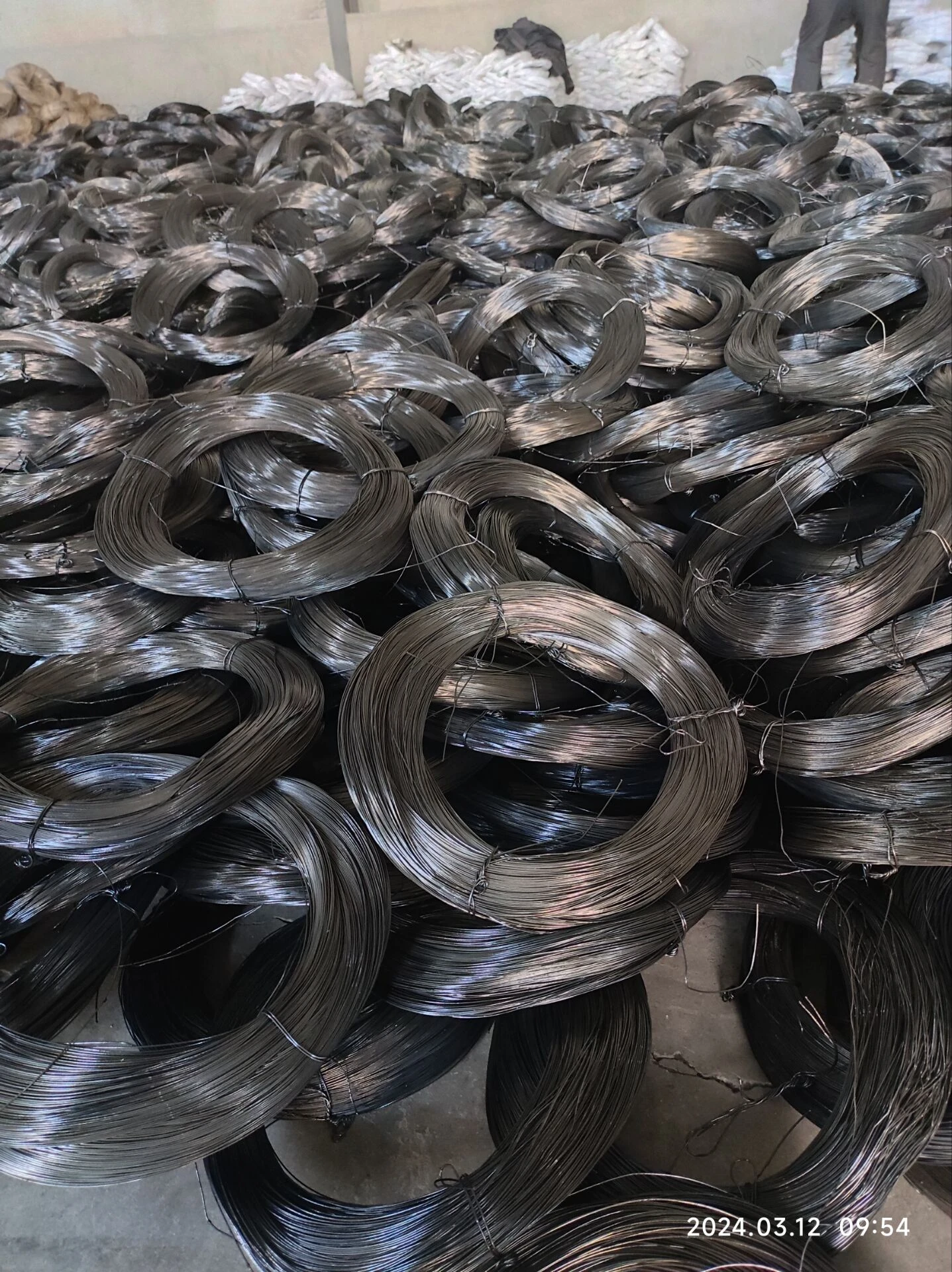
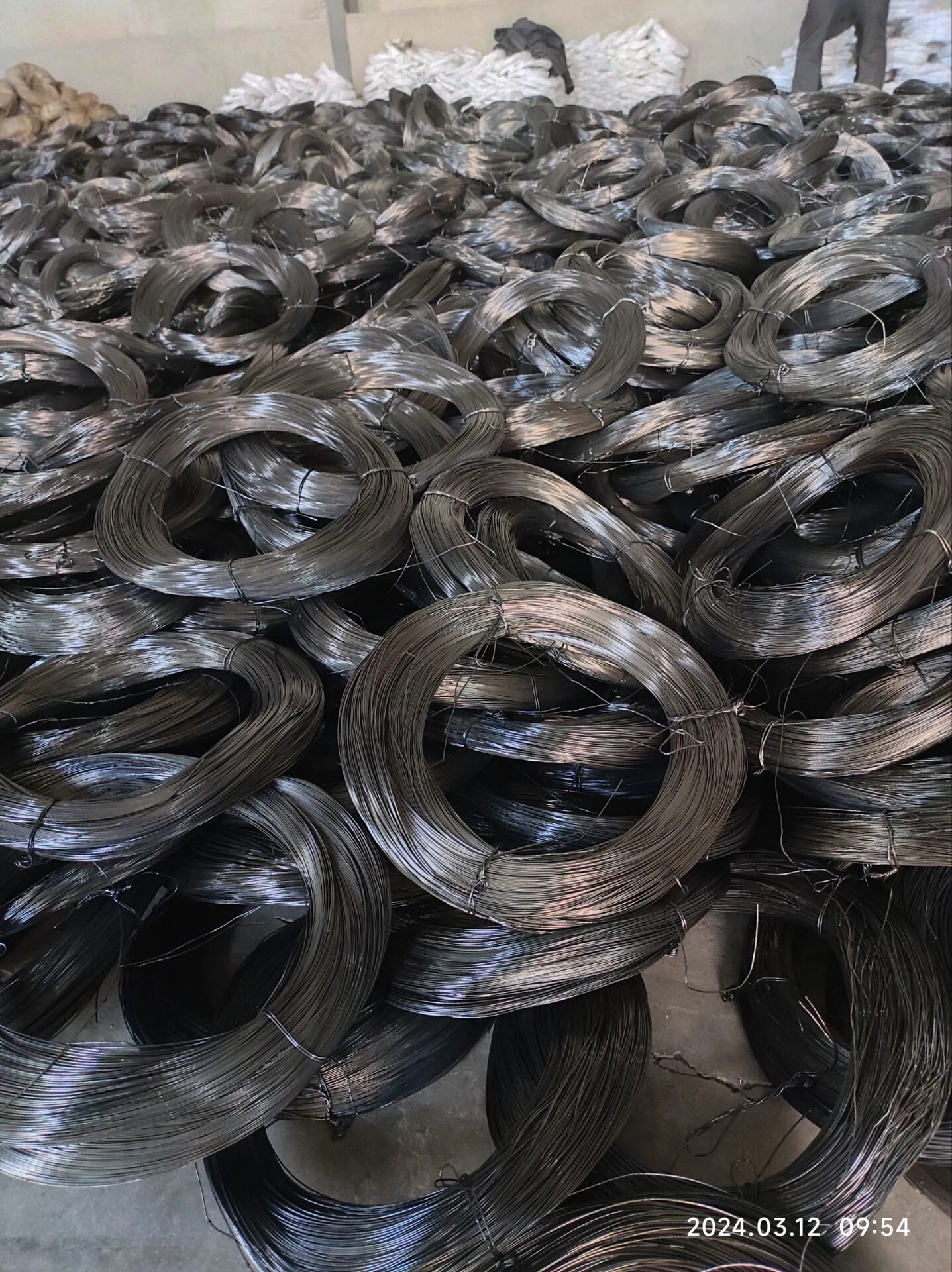
Galvanized braided wire is a composite material constructed from multiple strands of steel wire, interwoven into a flexible braided configuration, and coated with a layer of zinc. It functions as a critical component in a diverse array of industrial applications, notably in the electrical, telecommunications, and mechanical engineering sectors. Its primary role is typically to provide a flexible conduit for cabling, a shielding layer against electromagnetic interference (EMI), or a reinforcement element within larger assemblies. Technically positioned between simple wire rope and rigid metallic conduits, galvanized braided wire occupies a niche where both flexibility and robust environmental protection are paramount. Core performance characteristics include high tensile strength, excellent corrosion resistance stemming from the zinc coating, flexibility for complex routing, and effective shielding capabilities. The industry faces recurring challenges related to ensuring long-term zinc coating adhesion, managing hydrogen embrittlement during manufacturing, and maintaining consistent mechanical properties across large production runs.
Material Science & Manufacturing
The foundational material for galvanized braided wire is typically high-carbon steel, commonly utilizing grades such as SAE 1018 or similar formulations. These steels possess a balance of tensile strength and ductility crucial for the braiding process. The zinc coating is applied via hot-dip galvanization, a process wherein the steel wire is immersed in molten zinc. This creates a metallurgical bond, forming layers of zinc-iron alloy and a final outer layer of pure zinc. The physical properties of the zinc coating, namely thickness and uniformity, directly influence the corrosion resistance. Manufacturing begins with the drawing of steel wire to the specified diameter. This cold-working process increases tensile strength but also introduces residual stresses. Subsequently, the wire undergoes a cleaning and pickling stage to remove surface contaminants and oxides, preparing it for galvanization. Following galvanization, the wire is braided using specialized machinery. Key parameters during braiding include strand tension, braid angle, and braiding speed. Deviation from optimal parameters can result in inconsistent braid density and reduced mechanical integrity. Post-braiding, a stabilization process – often involving heat treatment – is employed to relieve residual stresses and enhance the long-term dimensional stability of the finished product. Hydrogen embrittlement, a significant concern during galvanization, is mitigated through post-galvanizing baking to drive out absorbed hydrogen.
Performance & Engineering
The performance of galvanized braided wire is intrinsically linked to its mechanical and environmental resistance. Tensile strength, determined through standardized testing (ASTM A375, for example), dictates the load-bearing capacity of the wire. Flexibility is evaluated by measuring the bending radius without inducing permanent deformation. Corrosion resistance is assessed through salt spray testing (ASTM B117) and cyclical corrosion tests, measuring the time to onset of red rust. Engineering considerations often involve force analysis to determine the optimal wire diameter and braid density for specific load requirements. Environmental factors such as temperature, humidity, and exposure to corrosive agents significantly impact performance. For applications in harsh environments, supplementary coatings – such as epoxy or PVC – may be applied to enhance corrosion protection. Compliance requirements vary depending on the intended application. For electrical applications, adherence to UL standards (Underwriters Laboratories) is crucial, ensuring electrical safety and performance. In automotive applications, adherence to relevant ISO standards is required regarding material performance and durability. Shielding effectiveness, vital for EMI protection, is typically measured in decibels (dB) across a range of frequencies.
Technical Specifications
| Parameter | Unit | Typical Value | Test Standard |
|---|---|---|---|
| Tensile Strength | MPa | 500-700 | ASTM A375 |
| Zinc Coating Thickness | µm | 25-50 | ASTM B117 |
| Braid Angle | Degrees | 30-60 | Internal Specification |
| Minimum Bending Radius | mm | 5D (D=Wire Diameter) | Internal Specification |
| Operating Temperature Range | °C | -40 to +150 | Internal Specification |
| Shielding Effectiveness (1 MHz) | dB | 60-80 | IEEE 299 |
Failure Mode & Maintenance
Galvanized braided wire, despite its robust construction, is susceptible to several failure modes. The most common is corrosion, particularly in marine or chemically aggressive environments. Red rust formation indicates zinc depletion and underlying steel corrosion. Fatigue cracking can occur under cyclical loading, especially at braid intersections where stress concentration is highest. Delamination of the zinc coating, often resulting from poor surface preparation prior to galvanization or mechanical damage, accelerates corrosion. Hydrogen embrittlement, as previously mentioned, can lead to brittle fracture. Oxidation of the zinc coating over extended periods reduces its effectiveness. Maintenance practices include regular visual inspection for signs of corrosion or damage. Periodic cleaning to remove contaminants is recommended. In high-corrosion environments, applying a protective coating (e.g., epoxy or petroleum jelly) can extend service life. If significant corrosion is detected, the wire should be replaced. Avoid sharp bending radii or excessive tension during installation and operation to minimize fatigue stress. For electrical applications, check for continuity to ensure the shielding integrity remains intact. The wire should be stored in a dry environment to prevent premature corrosion.
Industry FAQ
Q: What is the primary difference between hot-dip galvanization and electrogalvanization for this wire?
A: Hot-dip galvanization provides a thicker, more robust zinc coating with superior corrosion resistance, making it ideal for harsh environments. However, it can result in a less uniform coating thickness. Electrogalvanization provides a thinner, more uniform coating, but offers comparatively less corrosion protection. For braided wire, hot-dip galvanization is generally preferred despite potential uniformity concerns, due to the demanding performance requirements.
Q: How does braid density influence the shielding effectiveness of the wire?
A: Higher braid density generally translates to increased shielding effectiveness. A denser braid provides a more complete barrier to electromagnetic radiation. However, increasing braid density also reduces flexibility and increases material cost. There's an optimal balance to be struck based on the application's shielding requirements and flexibility needs.
Q: What are the implications of hydrogen embrittlement on the long-term performance of the wire?
A: Hydrogen embrittlement can significantly reduce the ductility and tensile strength of the steel wire, making it more susceptible to brittle fracture under stress. Post-galvanizing baking is crucial to mitigate this risk by driving out absorbed hydrogen. Proper steel grade selection and controlled manufacturing processes also help minimize susceptibility.
Q: Can galvanized braided wire be used in direct contact with concrete or other alkaline materials?
A: Prolonged direct contact with concrete or alkaline materials can accelerate zinc corrosion. While the zinc coating provides sacrificial protection, it will be consumed at a faster rate in these environments. Insulation or a barrier layer is recommended to prevent direct contact and extend the wire's service life.
Q: What is the impact of bending radius on the fatigue life of the wire?
A: A smaller bending radius introduces higher stress concentrations, accelerating fatigue crack initiation and propagation. Maintaining a bending radius that is at least five times the wire diameter (5D) is generally recommended to maximize fatigue life. Repeated bending at a tight radius should be avoided.
Conclusion
Galvanized braided wire represents a crucial engineering material bridging the requirements for flexibility, strength, and corrosion resistance. Its manufacturing process, centered around careful material selection, controlled galvanization, and precise braiding techniques, dictates its ultimate performance characteristics. Understanding the interplay between material properties, manufacturing parameters, and potential failure modes is paramount for ensuring reliable and long-lasting performance in demanding applications.
Future developments in this area will likely focus on improving zinc coating adhesion, developing more environmentally friendly galvanization processes, and exploring alternative coating materials with enhanced corrosion protection. Optimization of braid geometries to enhance shielding effectiveness without compromising flexibility remains an ongoing area of research. Continued adherence to stringent quality control standards and comprehensive testing protocols will be essential for maintaining the integrity and reliability of this widely utilized industrial component.