



Introduction
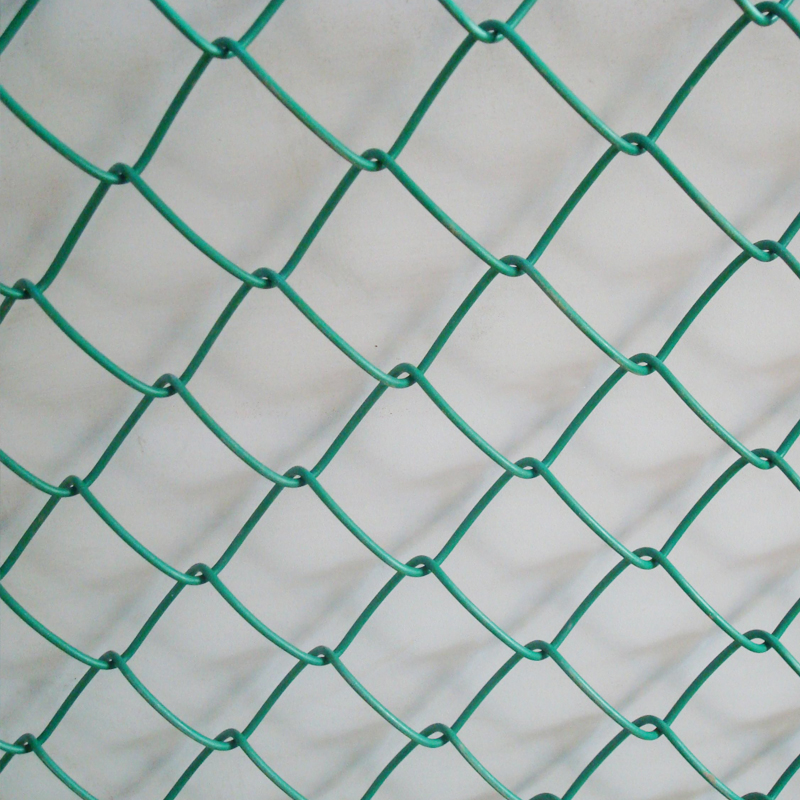
Galvanized chicken wire, technically classified as woven wire mesh, is a versatile fencing material constructed from steel wire that has undergone a zinc coating process. Its primary function lies in agricultural applications – containing poultry, livestock, and safeguarding crops – but also finds usage in construction, security fencing, and industrial filtration. Positioned within the broader wire products industry, galvanized chicken wire serves as a foundational element for containment and protection. Core performance characteristics are defined by wire gauge (thickness), mesh size (opening dimensions), zinc coating weight, and tensile strength, all directly influencing its durability and resistance to environmental degradation. The industry currently faces challenges concerning consistent zinc coating adhesion, particularly in aggressive environments, and evolving standards regarding environmental impact and lifecycle assessment.
Material Science & Manufacturing
The core material is typically low-carbon steel wire (SAE 1008 or equivalent), selected for its formability and cost-effectiveness. Material properties include a tensile strength ranging from 330-550 MPa and yield strength of 220-350 MPa, depending on the wire gauge. The galvanization process, usually hot-dip galvanizing, involves immersing the woven wire mesh in molten zinc (98% purity or higher) creating a metallurgical bond. The zinc coating acts as a sacrificial anode, protecting the steel substrate from corrosion. Coating weights are specified in zinc coating mass per unit area (e.g., g/m2) or coating thickness (µm). Manufacturing begins with wire drawing, where steel rods are pulled through progressively smaller dies to achieve the desired gauge. Subsequently, the wire is woven on specialized machines, typically employing a plain weave pattern. Critical parameters during weaving include wire tension, weave density, and consistency of wire feed. Post-weaving, the material undergoes cleaning to remove oils and contaminants, followed by fluxing to promote zinc adhesion. Hot-dip galvanizing requires precise temperature control (450-460°C) and immersion time (typically 2-5 minutes) to ensure uniform coating thickness. Cooling is often water-quenched, followed by passivation treatments (e.g., chromate conversion coating) to enhance corrosion resistance. Quality control includes visual inspection for coating defects, measurement of coating thickness using eddy current testing, and periodic tensile strength testing of the galvanized wire.
Performance & Engineering
The mechanical performance of galvanized chicken wire is largely dictated by wire gauge and mesh size. Force analysis reveals that the wire experiences tensile stress under load, with the highest stress concentration occurring at the wire intersections. The mesh’s ability to withstand deformation is directly related to its tensile strength and elongation. Environmental resistance is primarily determined by the zinc coating’s integrity and thickness. Corrosion occurs through electrochemical processes, where zinc corrodes preferentially to the steel. Factors accelerating corrosion include salt spray, humidity, acidic environments, and exposure to dissimilar metals (galvanic corrosion). Compliance requirements vary by region. In agricultural applications, the wire must not introduce harmful substances into the soil or animal feed. Security fencing applications necessitate compliance with local building codes and safety regulations regarding barrier height and strength. Engineering considerations include determining the appropriate wire gauge and mesh size based on the intended application and anticipated loads. For instance, larger mesh sizes are suitable for containing larger animals, while smaller mesh sizes are required for pest control. Proper installation techniques, including secure attachment to posts and adequate tensioning, are critical to ensuring the fence's long-term structural integrity. The wire’s flexibility allows for conforming to uneven terrain, but overstretching can reduce its effective lifespan.
Technical Specifications
| Parameter | Units | Typical Value | Testing Standard |
|---|---|---|---|
| Wire Gauge | AWG | 19-23 | ASTM A641 |
| Mesh Size | inches | 0.5 – 2 | ASTM E203 |
| Zinc Coating Weight | g/m2 | 60-275 | ASTM B693 |
| Tensile Strength | MPa | 330-550 | ASTM A370 |
| Elongation | % | 10-25 | ASTM A370 |
| Roll Height | ft | 3-6 | Manufacturer’s Specification |
Failure Mode & Maintenance
Common failure modes include corrosion, fatigue cracking, and mechanical damage. Corrosion manifests as rust formation, initially affecting the zinc coating and eventually leading to steel substrate degradation. Fatigue cracking occurs due to repeated stress cycles, particularly in areas with high stress concentration (e.g., wire bends, connection points). Mechanical damage can result from impacts, abrasion, or improper handling. Delamination of the zinc coating, often caused by inadequate surface preparation during galvanizing, significantly accelerates corrosion. Crevice corrosion can occur in areas where moisture and contaminants accumulate. Maintenance involves periodic inspection for signs of corrosion or damage. Minor corrosion can be treated with zinc-rich paints. Damaged sections should be repaired or replaced promptly to prevent further deterioration. Regular cleaning to remove dirt, debris, and salt deposits helps prolong the fence’s lifespan. Applying a protective coating (e.g., epoxy or polyurethane) over the galvanized surface can enhance corrosion resistance, particularly in harsh environments. Proper tensioning of the wire is essential to prevent sagging and reduce stress concentration. Avoid using dissimilar metals in direct contact with galvanized chicken wire to minimize galvanic corrosion.
Industry FAQ
Q: What is the difference between Class 1, Class 2, and Class 3 galvanization, and how does it impact longevity?
A: Galvanization classes refer to the minimum zinc coating weight (g/m2). Class 1 typically offers 60-80 g/m2, suitable for relatively mild environments. Class 2 provides 180-220 g/m2, offering improved corrosion resistance for moderate environments. Class 3, with 275 g/m2 or higher, is recommended for severe environments (e.g., coastal areas, industrial zones) demanding maximum longevity. Higher classes correlate directly with increased corrosion protection and extended service life.
Q: How does the mesh size affect the structural integrity of the galvanized chicken wire?
A: Larger mesh sizes reduce the overall wire density, decreasing the material's resistance to deformation and tensile stress. While offering reduced material cost, they also lower the fence's ability to withstand impact or significant loads. Smaller mesh sizes provide greater structural integrity due to increased wire density, but at a higher material cost.
Q: What is the impact of using barbed wire in conjunction with galvanized chicken wire on the corrosion rate?
A: Combining galvanized chicken wire with barbed wire can significantly accelerate corrosion, particularly at the points of contact. Barbed wire, often made from different steel alloys and with potentially less robust galvanization, creates a galvanic cell, leading to accelerated corrosion of the galvanized wire. Using an insulating material between the wires can mitigate this effect.
Q: What are the environmental concerns associated with galvanizing, and are there alternative coatings?
A: The hot-dip galvanizing process can generate wastewater containing zinc and other heavy metals. Proper wastewater treatment is crucial to minimize environmental impact. Alternative coatings include aluminum coating (Galvalume), which offers comparable corrosion resistance with potentially lower environmental impact. Powder coating over galvanization provides enhanced aesthetics and additional corrosion protection, but adds cost.
Q: What specific ASTM standards are most relevant when specifying galvanized chicken wire for a poultry containment application?
A: For poultry applications, ASTM A641 (Zinc-Coated Steel Wire) is critical for specifying the wire’s mechanical properties and zinc coating requirements. Additionally, ASTM E203 (Standard Method of Test for Blackened Steel and Galvanized Steel Panels for Corrosion Resistance) and ASTM A370 (Standard Test Methods and Definitions for Mechanical Testing of Steel Products) are relevant for evaluating corrosion resistance and mechanical performance.
Conclusion
Galvanized chicken wire remains a cost-effective and widely utilized solution for containment and protection across diverse industries. Its performance hinges critically on the interplay between material science – specifically, steel composition and zinc coating characteristics – and meticulous manufacturing processes. Understanding the failure modes, particularly corrosion, and implementing proactive maintenance strategies are vital for maximizing its service life and ensuring long-term reliability.
Future advancements in coating technologies, coupled with increasingly stringent environmental regulations, will likely drive innovation in galvanized chicken wire production. Research into alternative coating materials, improved surface preparation techniques, and optimized galvanizing processes will focus on enhancing corrosion resistance, minimizing environmental impact, and extending the product’s lifecycle. Lifecycle assessment and standardized testing protocols will become increasingly important for evaluating the sustainability and overall value proposition of galvanized chicken wire in the future.