



Introduction
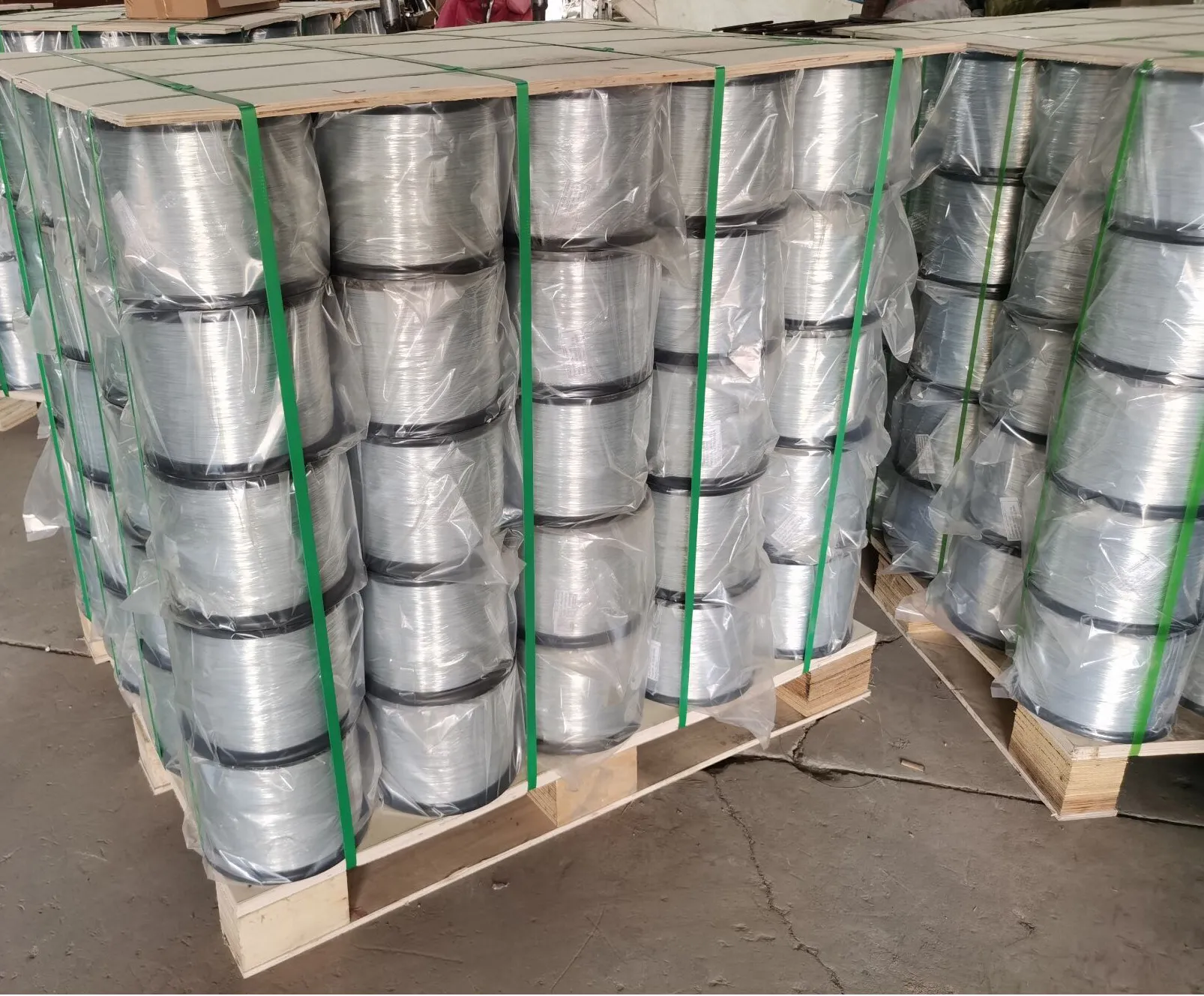
Galvanized coil is a steel coil that has been coated with a protective layer of zinc to prevent corrosion. It represents a crucial material in numerous industries, including construction, automotive, appliances, and infrastructure. Its position in the supply chain is as a semi-finished product, typically manufactured from cold-rolled or hot-rolled steel, which is then fed through a galvanizing line. The core performance characteristics of galvanized coil—corrosion resistance, formability, weldability, and paintability— dictate its selection for diverse applications. The zinc coating acts as a barrier, sacrificing itself to protect the underlying steel through cathodic protection. Understanding the nuances of the galvanizing process, zinc metallurgy, and coating performance is paramount for engineers and procurement professionals aiming to optimize material selection and ensure long-term structural integrity. A critical pain point within the industry revolves around consistently achieving uniform coating thickness, mitigating white rust formation during storage and transport, and accurately predicting service life in varied environmental conditions.
Material Science & Manufacturing
The base material for galvanized coil is typically carbon steel, with grades ranging from mild steel to high-strength low-alloy (HSLA) steels. The properties of the steel substrate, including its chemical composition (carbon, manganese, silicon, phosphorus, sulfur) and mechanical properties (yield strength, tensile strength, ductility), influence the adhesion and performance of the zinc coating. Zinc itself possesses a hexagonal close-packed (HCP) crystal structure. The manufacturing process generally involves continuous hot-dip galvanizing. The steel coil is first cleaned through a series of stages: degreasing, pickling (using acids like hydrochloric or sulfuric acid to remove mill scale and rust), and fluxing (applying a zinc ammonium chloride solution to prepare the surface for zinc adhesion). The cleaned steel then passes through a molten zinc bath (typically 98% pure zinc, maintained at around 460°C / 860°F). Critical parameters during galvanizing include bath temperature, immersion time, cooling rate, and air knife pressure, which influence coating thickness and uniformity. Post-galvanizing, the coil undergoes finishing operations such as chemical passivation to enhance corrosion resistance, skin-passing to improve surface smoothness, and oiling to prevent white rust formation during storage. Variations in the process, such as hot-dip galvanizing line (HDGL) versus galvannealing, affect the coating microstructure and resulting mechanical properties. Galvannealing produces a zinc-iron alloy coating, offering improved formability but potentially reduced corrosion resistance compared to pure zinc.

Performance & Engineering
The primary engineering function of galvanized coil is to provide corrosion protection to the underlying steel. This is achieved through two primary mechanisms: barrier protection and cathodic protection. Barrier protection physically isolates the steel from corrosive elements. Cathodic protection occurs because zinc is more electrochemically active than steel; thus, when both metals are exposed to an electrolyte (e.g., rainwater, salt spray), zinc corrodes preferentially, protecting the steel. The amount of zinc consumed (sacrificial corrosion) dictates the service life of the coating. The performance of galvanized coil is heavily influenced by environmental factors. Exposure to chlorides (e.g., marine environments, road salt) significantly accelerates corrosion. Temperature and humidity also play crucial roles, with higher temperatures and humidity levels increasing corrosion rates. Force analysis in applications involving forming or bending the galvanized coil reveals that the coating can experience stress concentrations, potentially leading to cracking or spalling. Therefore, the ductility of the coating (influenced by the galvanizing process and coating composition) is a critical consideration. Compliance requirements vary by region and application. For example, the construction industry often adheres to ASTM A653 standards for galvanized steel sheet, specifying minimum coating weights, mechanical properties, and chemical composition requirements. Weldability is affected by the zinc coating, requiring appropriate welding parameters and pre/post-weld treatment to prevent zinc vaporization and hydrogen embrittlement of the weld.
Technical Specifications
| Parameter | Unit | Specification (Typical) | Testing Standard |
|---|---|---|---|
| Coating Weight | g/m² | 120-275 | ASTM A653/EN 10346 |
| Tensile Strength | MPa | 270-550 (depending on steel grade) | ASTM A653/EN 10346 |
| Yield Strength | MPa | 220-400 (depending on steel grade) | ASTM A653/EN 10346 |
| Elongation | % | 18-30 (depending on steel grade) | ASTM A653/EN 10346 |
| Coil Thickness | mm | 0.5 – 3.0 | ASTM A653/EN 10346 |
| Coil Width | mm | 900 – 1250 | Customer Specification |
Failure Mode & Maintenance
Several failure modes can affect the longevity of galvanized coil. Uniform Corrosion: The gradual and even consumption of the zinc coating over time. White Rust (Zinc Carbonate): A powdery corrosion product that forms when the galvanized surface is exposed to moisture and carbon dioxide, commonly occurring during storage and transport. Red Rust (Iron Oxide): Indicates the zinc coating has been breached, and the underlying steel is corroding. Pitting Corrosion: Localized corrosion resulting from defects in the coating or the presence of aggressive ions (e.g., chlorides). Galvanic Corrosion: Occurs when the galvanized steel is in contact with a more noble metal in the presence of an electrolyte, accelerating the corrosion of the zinc. Coating Cracking/Spalling: Can occur due to excessive bending or forming, thermal stress, or poor coating adhesion. Maintenance strategies include regular inspection for signs of corrosion, cleaning to remove contaminants (e.g., salt, dirt), and application of protective coatings (e.g., epoxy primers, topcoats) to enhance corrosion resistance and extend service life. For coils in storage, ensuring adequate ventilation and using desiccant materials to control humidity can mitigate white rust formation. Repair of damaged coatings may involve localized zinc-rich coatings or complete recoating of affected areas. Proper surface preparation is crucial for effective repair and long-term performance.
Industry FAQ
Q: What is the impact of steel substrate composition on the galvanizing process and final coating performance?
A: The steel substrate's composition significantly impacts galvanizing. Higher carbon content can lead to increased iron-zinc alloy formation, affecting coating ductility and potentially reducing corrosion resistance. Silicon levels above 0.5% can hinder coating adhesion. Phosphorus and sulfur impurities can also negatively influence coating quality. Selecting steel grades with controlled compositions tailored for galvanizing is critical.
Q: How does the cooling rate after hot-dip galvanizing affect the microstructure and properties of the coating?
A: The cooling rate dictates the formation of different zinc-iron alloy layers. Slower cooling promotes the growth of thicker alloy layers, enhancing formability but potentially reducing corrosion resistance. Faster cooling results in thinner alloy layers and a more predominantly zinc-rich coating, improving corrosion resistance but potentially sacrificing ductility. Controlled cooling is essential to achieve the desired coating properties.
Q: What are the key differences between continuous galvanizing and batch galvanizing, and when would each process be preferred?
A: Continuous galvanizing (typically using the HDGL process) is more efficient for high-volume production and generally results in a more uniform coating. Batch galvanizing is suitable for smaller volumes, complex geometries, or specialized coatings. Continuous galvanizing is preferred for large-scale applications like automotive body panels, while batch galvanizing is often used for structural components or custom fabrications.
Q: How can white rust formation during storage and transportation be effectively prevented?
A: White rust prevention requires controlling the humidity and preventing condensation on the galvanized surface. This can be achieved through adequate ventilation, using desiccant packaging, applying a thin protective oil coating (passivation oil), and ensuring proper stacking to allow air circulation. Indoor storage is preferred over outdoor storage.
Q: What are the limitations of galvanized coil in highly corrosive environments, such as offshore applications, and what alternative coatings should be considered?
A: While galvanized coil provides good corrosion resistance, it has limitations in extremely corrosive environments, particularly those with prolonged exposure to chlorides and high temperatures. In such cases, alternative coatings like aluminum-zinc alloy coatings (Galvalume), epoxy coatings, polyurethane coatings, or thermal spray coatings (e.g., zinc-aluminum alloys) offer superior protection. Cathodic protection systems may also be necessary.
Conclusion
Galvanized coil remains a cornerstone material for corrosion protection across a wide range of industries. Its effectiveness is rooted in the fundamental principles of barrier and cathodic protection, facilitated by the carefully controlled manufacturing process of hot-dip galvanizing. The performance characteristics—coating weight, mechanical properties, and corrosion resistance—are inextricably linked to the base steel composition, process parameters, and environmental exposure conditions. Understanding these intricacies is crucial for engineers and procurement specialists.
Future advancements in galvanized coil technology will likely focus on developing more sustainable galvanizing processes (reducing zinc consumption and energy usage), enhancing coating adhesion and ductility for improved formability, and creating novel coating alloys with tailored corrosion resistance properties. Continued research into predictive modeling of coating degradation and optimized maintenance strategies will also be vital for maximizing the service life and minimizing the lifecycle cost of galvanized steel structures.