



Introduction
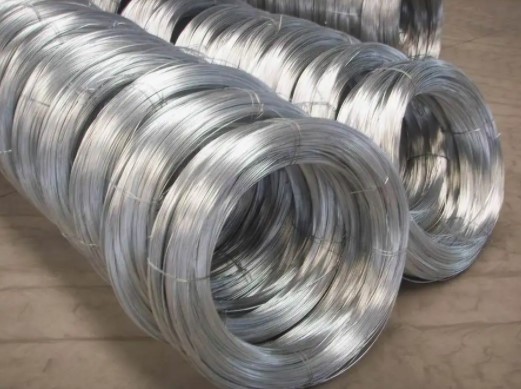
Galvanized double loop wire ties are a ubiquitous fastening solution employed across a diverse range of industrial and commercial applications, including bundling, securing, and identification. These ties consist of a length of steel wire formed into a loop configuration with two pre-formed loops at each end, and are coated with a zinc layer to provide corrosion resistance. Their primary function is to provide a cost-effective and readily deployable method for temporary or semi-permanent binding. Within the fastening industry, they occupy a niche between more robust metal banding solutions and less durable plastic zip ties, offering a balance of strength, flexibility, and ease of use. Core performance characteristics include tensile strength, corrosion resistance (determined by galvanization quality), loop fatigue resistance, and ease of application/removal. A critical pain point for end-users is ensuring consistent zinc coating thickness to prevent premature corrosion, especially in harsh environmental conditions.
Material Science & Manufacturing
The primary raw material for galvanized double loop wire ties is low-carbon steel wire, typically SAE 1008 or similar grades. This steel possesses sufficient ductility for forming the loop configuration while maintaining adequate tensile strength. The steel’s chemical composition generally consists of approximately 0.08% carbon, 0.6-0.9% manganese, and trace amounts of phosphorus and sulfur. The wire’s physical properties—tensile strength (around 440 MPa), yield strength (around 275 MPa), and elongation (18-22%)—are crucial for performance. Manufacturing begins with wire drawing, reducing the steel billet to the desired wire diameter, typically ranging from 0.9mm to 2.0mm. Following wire drawing, the wire undergoes a cleaning process to remove surface contaminants. The galvanization process is central: typically hot-dip galvanizing is employed, immersing the wire in molten zinc (98% purity or greater). The zinc metallurgically bonds with the steel, forming a protective alloy layer. Coating thickness is controlled by adjusting withdrawal speed and zinc bath composition, typically aiming for a coating thickness of 50-80 μm. Post-galvanization, the wire is cooled, and then fed into automated machinery that forms the double loop configuration. Key parameter control during loop formation includes loop diameter, loop pitch, and wire bending radius. Quality control at this stage involves dimensional checks and visual inspection for coating defects (e.g., blisters, voids, or uneven coating). Any imperfections can significantly reduce corrosion resistance.
Performance & Engineering
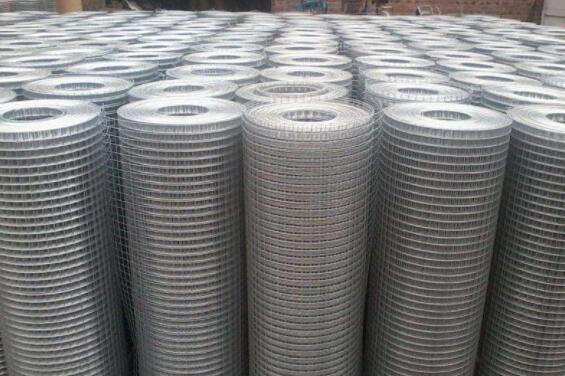
The performance of galvanized double loop wire ties is primarily dictated by their tensile strength and resistance to environmental degradation. Tensile strength is determined by the steel’s grade and wire diameter, and is a critical factor in applications involving significant loads. Force analysis dictates that the ultimate tensile strength is reached at the point where the wire material begins to yield and deform plastically. Environmental resistance is predominantly conferred by the galvanization process, protecting the underlying steel from corrosion. However, the zinc coating itself is susceptible to corrosion over time, particularly in environments with high salinity or acidity. The rate of corrosion is governed by factors such as temperature, humidity, and exposure to corrosive agents. Compliance requirements are often dictated by industry-specific standards. For example, applications in the agricultural sector may require compliance with regulations pertaining to material safety and environmental impact. Loop fatigue resistance is another critical engineering consideration. Repeated bending or flexing of the loops can lead to material fatigue and eventual failure, particularly with thinner wire gauges. Design considerations focus on optimizing loop geometry to minimize stress concentration and maximize fatigue life. Electrochemical considerations are paramount: the zinc coating acts as a sacrificial anode, corroding preferentially to the steel, thereby protecting the steel from corrosion. However, once the zinc is consumed, the steel becomes vulnerable to corrosion.
Technical Specifications
| Parameter | Typical Value (mm/kgf/μm/%) | Testing Standard | Tolerance |
|---|---|---|---|
| Wire Diameter | 1.2mm | ASTM A610 | ±0.02mm |
| Tensile Strength | 450 kgf | ASTM A610 | ±20 kgf |
| Zinc Coating Thickness | 60 μm | ASTM B695 | ±10 μm |
| Zinc Coating Uniformity | 95% | ASTM B695 | ±2% |
| Loop Diameter (Internal) | 10mm | Visual Inspection | ±0.5mm |
| Loop Pitch | 20mm | Visual Inspection | ±1.0mm |
Failure Mode & Maintenance
Common failure modes for galvanized double loop wire ties include corrosion-induced failure, loop fatigue cracking, and overload failure. Corrosion occurs when the zinc coating is depleted, exposing the underlying steel to the environment. This is accelerated in saline or acidic environments. Loop fatigue cracking arises from repeated bending or flexing of the loops, leading to stress concentration and eventual material failure. Overload failure occurs when the applied tensile load exceeds the wire’s tensile strength. Visual inspection for corrosion (rusting, white rust) is the primary maintenance technique. If corrosion is detected, replacement is recommended. Periodic inspection of loop integrity is also crucial, looking for cracks or deformation. For applications in harsh environments, consider applying an additional protective coating (e.g., a corrosion inhibitor) to the galvanized surface. Avoid exceeding the wire’s rated tensile strength; improper application techniques (e.g., over-tightening) can compromise the tie’s integrity. In instances where the ties are used in dynamic loading applications (subject to vibration or fluctuating loads), more frequent inspections are advised. Failure analysis often reveals that premature failure is linked to insufficient zinc coating thickness or pre-existing defects in the wire.
Industry FAQ
Q: What is the primary advantage of using galvanized wire ties over plastic zip ties in outdoor applications?
A: The principal advantage is superior durability and resistance to UV degradation. Plastic zip ties become brittle and prone to failure with prolonged sun exposure, while galvanized steel provides a robust, long-lasting fastening solution, particularly when the galvanization is of a high quality and thickness. The steel will corrode, but more slowly than plastic degradation.
Q: How does the wire diameter impact the overall strength and application suitability of the ties?
A: Increasing the wire diameter directly increases the tensile strength of the tie. Thicker wire gauges are recommended for applications involving higher loads or greater stress. However, thicker wire can also be more difficult to bend and manipulate.
Q: What is 'white rust' and how does it affect the performance of galvanized wire ties?
A: White rust is a zinc corrosion product that appears as a white powdery coating on the galvanized surface. It indicates that the zinc coating is reacting with moisture and other environmental factors. While not immediately compromising the structural integrity, it signifies depletion of the protective zinc layer and accelerated corrosion of the underlying steel.
Q: Can galvanized wire ties be reused, and if so, what considerations should be made?
A: Reusing galvanized wire ties is generally discouraged. Bending and manipulating the loops can weaken the wire and compromise the integrity of the galvanization, leading to accelerated corrosion and potential failure. If reuse is unavoidable, carefully inspect the tie for any signs of damage or corrosion before reapplication.
Q: What testing is typically performed to verify the quality and performance of galvanized double loop wire ties?
A: Common tests include tensile strength testing (ASTM A610), zinc coating thickness measurement (ASTM B695), salt spray testing (ASTM B117) to assess corrosion resistance, and visual inspection for coating defects. Dimensional checks are also performed to ensure compliance with specifications.
Conclusion
Galvanized double loop wire ties represent a practical and cost-effective fastening solution for a wide array of applications, providing a balance of strength, corrosion resistance, and ease of use. The performance and longevity of these ties are fundamentally linked to the quality of the steel wire, the integrity of the galvanization process, and adherence to proper application guidelines. Understanding the potential failure modes – primarily corrosion and fatigue – and implementing proactive inspection and maintenance practices are essential for ensuring reliable performance and minimizing the risk of premature failure.
The continued demand for galvanized double loop wire ties will likely be driven by their versatility and affordability. Future developments may focus on enhancing corrosion resistance through advanced coating technologies (e.g., zinc-nickel alloys) and optimizing loop designs to improve fatigue life. Furthermore, stricter adherence to international quality standards and the implementation of robust quality control measures will be critical for maintaining product reliability and meeting the evolving needs of industrial and commercial users.