



Introduction
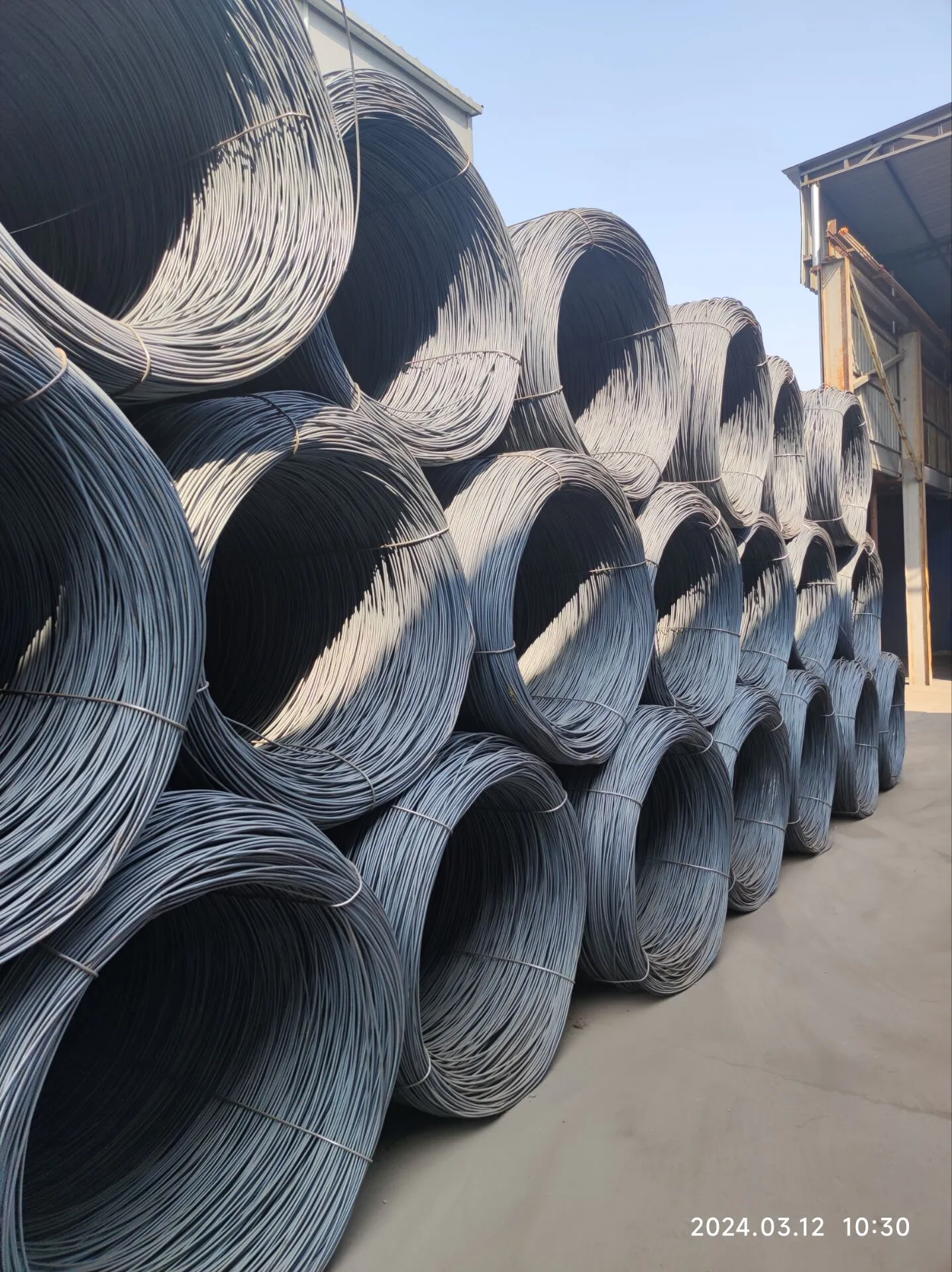
Galvanized iron wire, particularly that manufactured in China, constitutes a critical component in a diverse range of industrial, agricultural, and commercial applications. This wire, produced by applying a protective zinc coating to low-carbon steel wire, offers enhanced corrosion resistance compared to bare steel. Its prevalence stems from a combination of cost-effectiveness, relative ease of manufacturing, and adequate mechanical properties for a broad spectrum of uses. Within the industry chain, galvanized iron wire sits downstream of steel production and zinc refining, serving as a precursor material for fabricated products such as fencing, mesh, cables, and springs. Core performance characteristics include tensile strength, ductility, zinc coating thickness, and resistance to environmental degradation. The Chinese manufacturing landscape has become dominant in global supply due to substantial production capacity and competitive pricing, requiring a comprehensive understanding of material quality, manufacturing processes, and adherence to international standards.
Material Science & Manufacturing
The foundation of galvanized iron wire lies in low-carbon steel, typically ranging from SAE 1006 to 1018, characterized by a carbon content of 0.06% to 0.18%. The steel's inherent mechanical properties – tensile strength, yield strength, and elongation – are influenced by its chemical composition and thermomechanical processing. The galvanizing process, crucial for corrosion protection, involves immersing the cleaned steel wire into a molten zinc bath (typically 98% pure zinc). This creates a metallurgical bond, forming a series of zinc-iron alloy layers interspersed with a layer of pure zinc. Critical manufacturing parameters include wire drawing speed, reduction in area during drawing, annealing temperature (typically 650-750°C for recrystallization and stress relief), pickling solution composition (hydrochloric or sulfuric acid), and zinc bath temperature (around 450-460°C). Controlling these parameters directly affects the coating uniformity, adhesion, and mechanical properties of the final product. Surface preparation is paramount; scale, rust, and oil must be completely removed before galvanizing to ensure adequate zinc adhesion. Different galvanizing methods exist, including hot-dip galvanizing (the most common), electro-galvanizing, and sherardizing (vapor galvanizing), each offering varying coating thicknesses and properties. Chinese manufacturers often utilize continuous galvanizing lines for high-volume production, employing automated process control systems for consistent quality. The crystalline structure of the zinc coating, typically hexagonal close-packed (HCP), influences its corrosion resistance.
Performance & Engineering
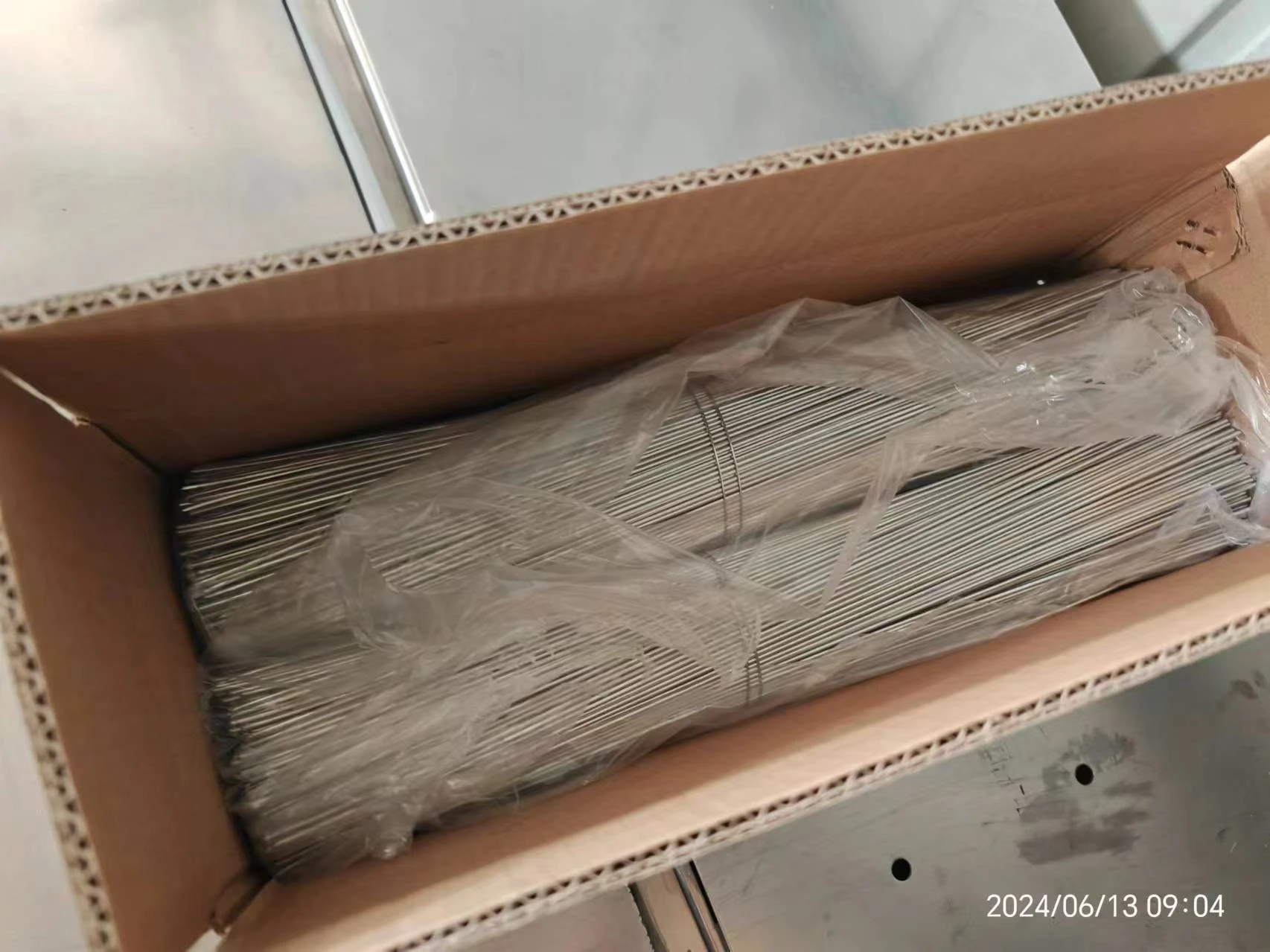
The performance of galvanized iron wire is fundamentally linked to its mechanical strength and corrosion resistance. Tensile strength, a critical parameter, is determined by the steel grade and wire drawing process. Typically, galvanized iron wire exhibits a tensile strength between 350-550 MPa, depending on wire diameter and steel composition. Ductility, measured by elongation at break, is essential for applications requiring bending or forming. Environmental resistance is primarily governed by the zinc coating thickness and its metallurgical structure. The zinc coating acts as a sacrificial anode, corroding preferentially to the steel substrate, thus providing cathodic protection. Factors influencing corrosion rate include humidity, temperature, salinity, and the presence of pollutants (e.g., sulfur dioxide, chloride ions). Engineering calculations involving galvanized iron wire frequently require consideration of load-bearing capacity, stress concentration at bends, and potential for creep under sustained loads. Finite element analysis (FEA) is often employed to optimize wire diameter and geometry for specific applications. Compliance requirements, such as RoHS (Restriction of Hazardous Substances) and REACH (Registration, Evaluation, Authorisation and Restriction of Chemicals), dictate permissible levels of restricted substances in the wire and its manufacturing processes. The durability of the galvanizing is often assessed by salt spray testing (ASTM B117) and cyclic corrosion testing (ASTM G85) to predict long-term performance in various environments. Furthermore, adherence to relevant building codes and industry standards is crucial for applications in construction and infrastructure.
Technical Specifications
| Parameter | Unit | Typical Value (China Export Grade) | Test Standard |
|---|---|---|---|
| Tensile Strength | MPa | 400-500 | GB/T 13274 |
| Zinc Coating Weight | g/m² | 60-80 | GB/T 13912 |
| Wire Diameter | mm | 0.8-5.0 | GB/T 13274 |
| Elongation at Break | % | 10-20 | GB/T 13274 |
| Hydrogen Embrittlement | ppm | <5 | GB/T 13274 |
| Adhesion of Coating | N/mm² | >5 | GB/T 9889 |
Failure Mode & Maintenance
Galvanized iron wire, despite its corrosion resistance, is susceptible to several failure modes. A primary concern is uniform corrosion, where the zinc coating gradually dissolves over time, eventually exposing the steel substrate. Localized corrosion, such as pitting and crevice corrosion, can occur in the presence of chloride ions or other aggressive agents, leading to premature failure. White rust (zinc oxide corrosion) can form during storage or transportation in humid environments, reducing the coating’s protective capacity. Mechanical damage, including bending fatigue, tensile overload, and abrasion, can compromise the wire’s integrity. Hydrogen embrittlement, resulting from hydrogen absorption during the pickling or galvanizing process, can lead to brittle fracture. Failure analysis often involves microscopic examination of the fracture surface to identify the root cause. Maintenance strategies focus on preventing corrosion and mechanical damage. This includes proper storage in dry, ventilated conditions, applying protective coatings (e.g., waxes, oils) to the wire surface, and avoiding sharp bends or excessive stress during installation. Regular inspection for signs of corrosion or damage is crucial. For applications exposed to harsh environments, periodic re-galvanizing or the application of supplementary corrosion inhibitors may be necessary. In cases of significant corrosion, replacement of the wire is the most effective remedy. Proper handling and installation techniques, adhering to manufacturer's recommendations, are vital for maximizing the wire’s service life.
Industry FAQ
Q: What is the typical lifespan of galvanized iron wire used in agricultural fencing?
A: The lifespan is highly dependent on the environment. In moderate climates with low salinity, a lifespan of 15-20 years is achievable. However, in coastal areas or regions with heavy industrial pollution, the lifespan may be reduced to 5-10 years. Zinc coating thickness and proper installation play significant roles.
Q: How does the galvanizing process impact the ductility of the wire?
A: The galvanizing process, particularly hot-dip galvanizing, can potentially reduce ductility due to the formation of brittle zinc-iron alloy layers. Controlled cooling rates and the use of appropriate steel grades can minimize this effect. Post-galvanizing annealing can also restore some ductility.
Q: What are the key differences between electro-galvanizing and hot-dip galvanizing?
A: Electro-galvanizing produces a thinner, more uniform coating suitable for applications requiring precise dimensions and a smoother surface finish. Hot-dip galvanizing provides a thicker, more durable coating with superior corrosion resistance, ideal for harsh environments. Hot-dip galvanizing is typically more cost-effective for large-volume production.
Q: What is the significance of hydrogen embrittlement, and how can it be mitigated?
A: Hydrogen embrittlement occurs when hydrogen atoms diffuse into the steel lattice during the pickling and galvanizing process, reducing its ductility and increasing its susceptibility to brittle fracture. Mitigation strategies include using inhibitors in the pickling solution, controlling the galvanizing temperature, and performing a post-galvanizing baking process to drive out the hydrogen.
Q: What quality control measures are typically implemented by Chinese manufacturers to ensure consistent coating thickness?
A: Reputable Chinese manufacturers employ automated coating thickness measurement systems, eddy current testing, and regular chemical analysis of the zinc bath. Statistical process control (SPC) is utilized to monitor and control process parameters, ensuring consistent coating quality. They also conduct periodic salt spray testing and adhesion testing according to international standards.
Conclusion
Galvanized iron wire manufactured in China represents a significant and cost-effective material solution for a wide array of applications. Its performance, characterized by tensile strength and corrosion resistance, is inextricably linked to the steel substrate, the galvanizing process parameters, and adherence to stringent quality control measures. Understanding the material science, manufacturing intricacies, and potential failure modes is critical for ensuring optimal performance and longevity in diverse operational environments.
Future advancements in galvanized iron wire technology are likely to focus on enhancing corrosion resistance through the development of novel coating alloys and surface treatments, and improving manufacturing processes to reduce environmental impact. Continued adherence to international standards and rigorous quality control will be paramount in maintaining the competitiveness and reliability of Chinese-produced galvanized iron wire in the global market.