



Introduction
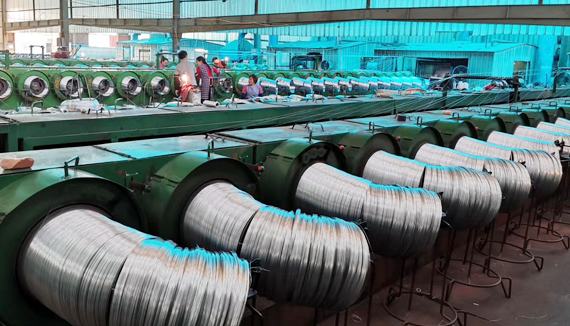
Galvanized iron wire is a carbon steel wire coated with a layer of zinc through a process of hot-dip galvanization. This coating provides superior corrosion resistance compared to bare steel wire, making it suitable for a wide array of industrial, agricultural, and commercial applications. Positioned within the metallurgical product chain, galvanized wire serves as a foundational material for fencing, cable armoring, stay wires, binding, and various fabricated components. The core performance characteristics of galvanized iron wire – tensile strength, ductility, coating thickness, and corrosion resistance – dictate its suitability for specific end uses. The industry faces increasing demands for consistent coating quality, adherence to environmental regulations concerning zinc emissions, and optimization of manufacturing costs while maintaining performance integrity.
Material Science & Manufacturing
The primary raw material for galvanized iron wire is low-carbon steel, typically containing 0.05% to 0.15% carbon. The steel’s inherent mechanical properties, including tensile strength and ductility, are crucial for wire drawing and subsequent galvanization. The zinc used for coating is typically of 98.5% purity or higher, with common impurities including lead, cadmium, and iron. Hot-dip galvanization, the prevalent manufacturing process, involves several stages. First, the steel wire undergoes thorough cleaning, including pickling in hydrochloric or sulfuric acid to remove rust and scale. This is followed by fluxing, typically with zinc ammonium chloride, to promote zinc adhesion. The wire is then immersed in a molten zinc bath (maintained at approximately 450-460°C) for a specified duration, allowing the zinc to metallurgically bond with the steel surface. Cooling is usually performed by air or water quenching. Critical parameters include bath temperature, immersion time, steel surface preparation quality, and cooling rate. Variations exist, such as electro-galvanization which uses an electrolytic process to deposit the zinc layer. Coating thickness is a key control parameter and is directly related to immersion time and zinc bath composition. The resulting zinc coating forms a protective barrier and undergoes sacrificial corrosion, protecting the underlying steel.
Performance & Engineering
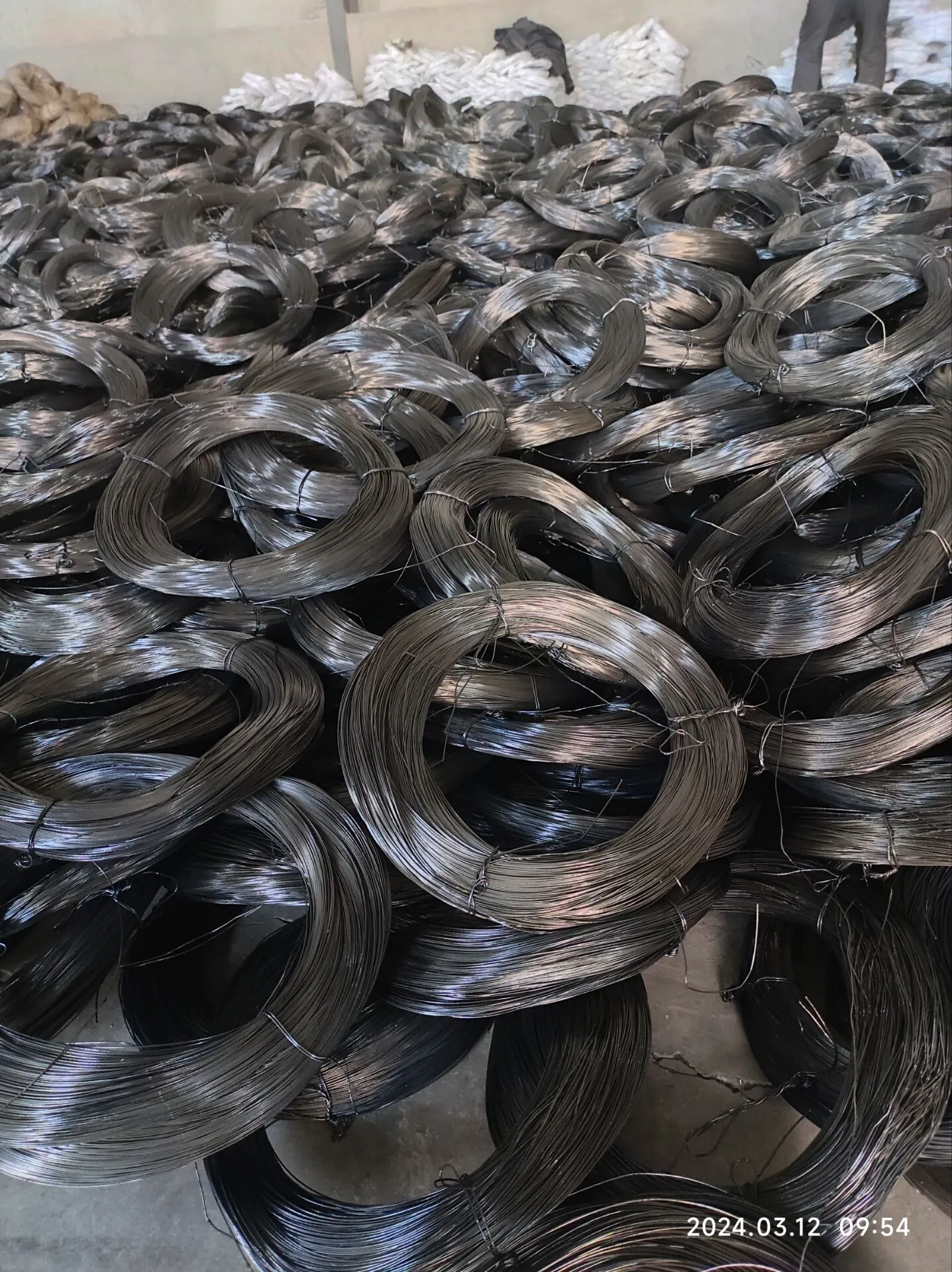
The performance of galvanized iron wire is heavily dependent on its mechanical and corrosion resistance properties. Tensile strength, typically ranging from 350-500 MPa, dictates the wire’s load-bearing capacity. Ductility, measured by elongation percentage, determines its ability to deform without fracturing. The zinc coating provides cathodic protection to the steel; even if the coating is scratched or damaged, the zinc will corrode preferentially. Environmental resistance is a critical performance factor. Exposure to saltwater, industrial pollutants, and acidic environments accelerates corrosion. The rate of corrosion is influenced by the coating thickness, the presence of impurities in the zinc coating, and the ambient conditions. Galvanized wire used in structural applications must comply with relevant engineering codes and standards, including load calculations, safety factors, and stress analysis. The wire's behavior under sustained load, cyclic loading, and extreme temperatures needs careful consideration. The galvanization process impacts the wire’s surface morphology; a rougher surface generally promotes better adhesion for subsequent coatings or wrapping materials. Fatigue resistance is crucial for applications involving repeated bending or flexing.
Technical Specifications
| Diameter (mm) | Zinc Coating Thickness (µm) | Tensile Strength (MPa) | Elongation (%) |
|---|---|---|---|
| 1.6 | 45-60 | 380-450 | 15-20 |
| 2.0 | 55-75 | 400-500 | 12-18 |
| 2.5 | 65-85 | 420-520 | 10-16 |
| 3.0 | 75-95 | 450-550 | 8-14 |
| 4.0 | 90-110 | 480-600 | 6-12 |
| 5.0 | 100-120 | 500-650 | 5-10 |
Failure Mode & Maintenance
Galvanized iron wire, despite its corrosion resistance, is susceptible to several failure modes. Rusting of the underlying steel is a common failure, typically initiated by damage to the zinc coating, exposing the steel to corrosive elements. White rust (zinc corrosion) can occur under conditions of high humidity and limited airflow, particularly during storage. Hydrogen embrittlement, induced by the pickling process, can reduce ductility and lead to brittle fracture, especially under tensile stress. Fatigue cracking can occur in applications involving repeated bending or flexing, initiating at stress concentrations. Galvanic corrosion can occur when the galvanized wire is in contact with dissimilar metals in the presence of an electrolyte. Maintenance primarily focuses on preventing damage to the zinc coating. Regular inspection for signs of corrosion, particularly in harsh environments, is crucial. Damaged areas can be recoated with zinc-rich paint or repaired by hot-dip galvanization. Avoid abrasive cleaning methods that can remove the protective coating. Proper storage in a dry, well-ventilated environment minimizes the risk of white rust formation. Avoiding direct contact with dissimilar metals in the presence of electrolytes can mitigate galvanic corrosion.
Industry FAQ
Q: What is the typical lifespan of galvanized iron wire in an outdoor fencing application?
A: The lifespan varies significantly depending on environmental conditions. In rural environments with moderate humidity and low salt exposure, a lifespan of 20-30 years is achievable. However, in coastal areas or industrial zones with high salinity and pollution, the lifespan may be reduced to 10-15 years. Periodic inspections and maintenance, such as recoating damaged areas, can extend the service life.
Q: How does the wire drawing process affect the galvanization process?
A: The wire drawing process introduces work hardening, increasing the steel's tensile strength but reducing its ductility. This necessitates careful control of the drawing parameters to achieve an optimal balance between mechanical properties and galvanizability. Surface finish after drawing is also critical; a smooth surface promotes better zinc adhesion. Annealing after drawing is often performed to restore ductility before galvanization.
Q: What are the environmental concerns associated with hot-dip galvanization?
A: The primary environmental concern is the emission of zinc fumes and particulate matter during the galvanization process. Modern galvanizing plants employ sophisticated emission control systems, such as baghouses and scrubbers, to minimize these emissions. Waste acid from pickling must be treated and neutralized before disposal. Lead content in the zinc bath is also a concern, requiring careful monitoring and control.
Q: Can galvanized iron wire be welded?
A: Welding galvanized iron wire can be challenging due to the zinc coating, which produces harmful fumes when heated. Special welding procedures and ventilation systems are required. The zinc coating must be removed from the welding zone before welding to ensure a sound weld. Low-hydrogen electrodes are recommended to minimize porosity and cracking.
Q: What is the difference between Class 1 and Class 3 galvanization, and how does this impact performance?
A: These classes refer to the zinc coating thickness. Class 1 galvanization has a lower coating thickness (typically 45-55 µm) and is suitable for less corrosive environments. Class 3 galvanization (typically 65-85 µm) provides a thicker coating and superior corrosion resistance, making it ideal for harsher environments. Higher class galvanization translates directly to longer service life and improved protection against rust.
Conclusion
Galvanized iron wire remains a crucial material across diverse industries due to its cost-effectiveness and inherent corrosion resistance. Understanding the interplay between material science, manufacturing processes, and environmental factors is paramount to ensuring optimal performance and longevity. The selection of appropriate wire diameter, zinc coating thickness, and manufacturing controls significantly influences the wire’s mechanical properties and resistance to degradation.
Continued advancements in galvanization technology, coupled with stricter environmental regulations, are driving innovation in the industry. The development of high-performance zinc alloys, improved emission control systems, and more sustainable manufacturing practices will be critical for maintaining the viability and competitiveness of galvanized iron wire in the future.