



Introduction
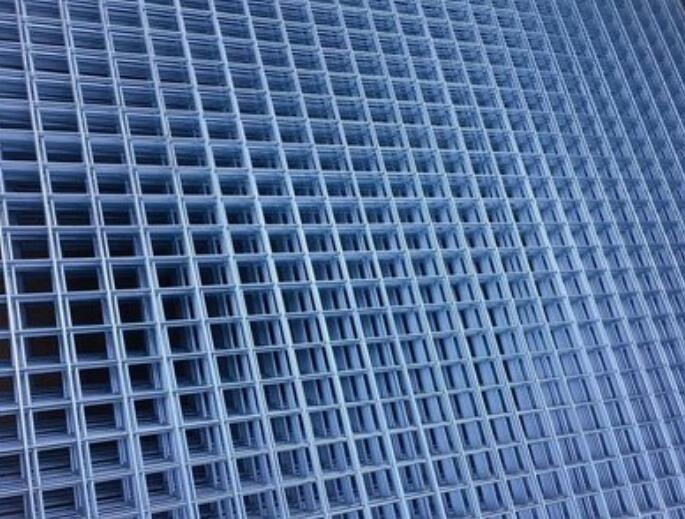
Galvanized iron wire is a carbon steel wire coated with a layer of zinc, primarily to prevent corrosion. Its position within the industrial chain spans raw material production (iron ore), steel manufacturing, wire drawing, and finally, the galvanization process. The resultant wire finds extensive application in construction, agriculture, telecommunications, and various industrial sectors. Core performance characteristics include tensile strength, ductility, corrosion resistance, and formability. The selection of appropriate zinc coating thickness, steel grade, and manufacturing processes dictates performance in specific environments. A key industry pain point centers on consistently achieving optimal zinc adhesion while managing cost, and ensuring the wire meets stringent industry standards related to coating uniformity and mechanical properties. Furthermore, understanding the long-term performance and potential failure modes in diverse operational conditions is crucial for effective application and lifecycle management.
Material Science & Manufacturing
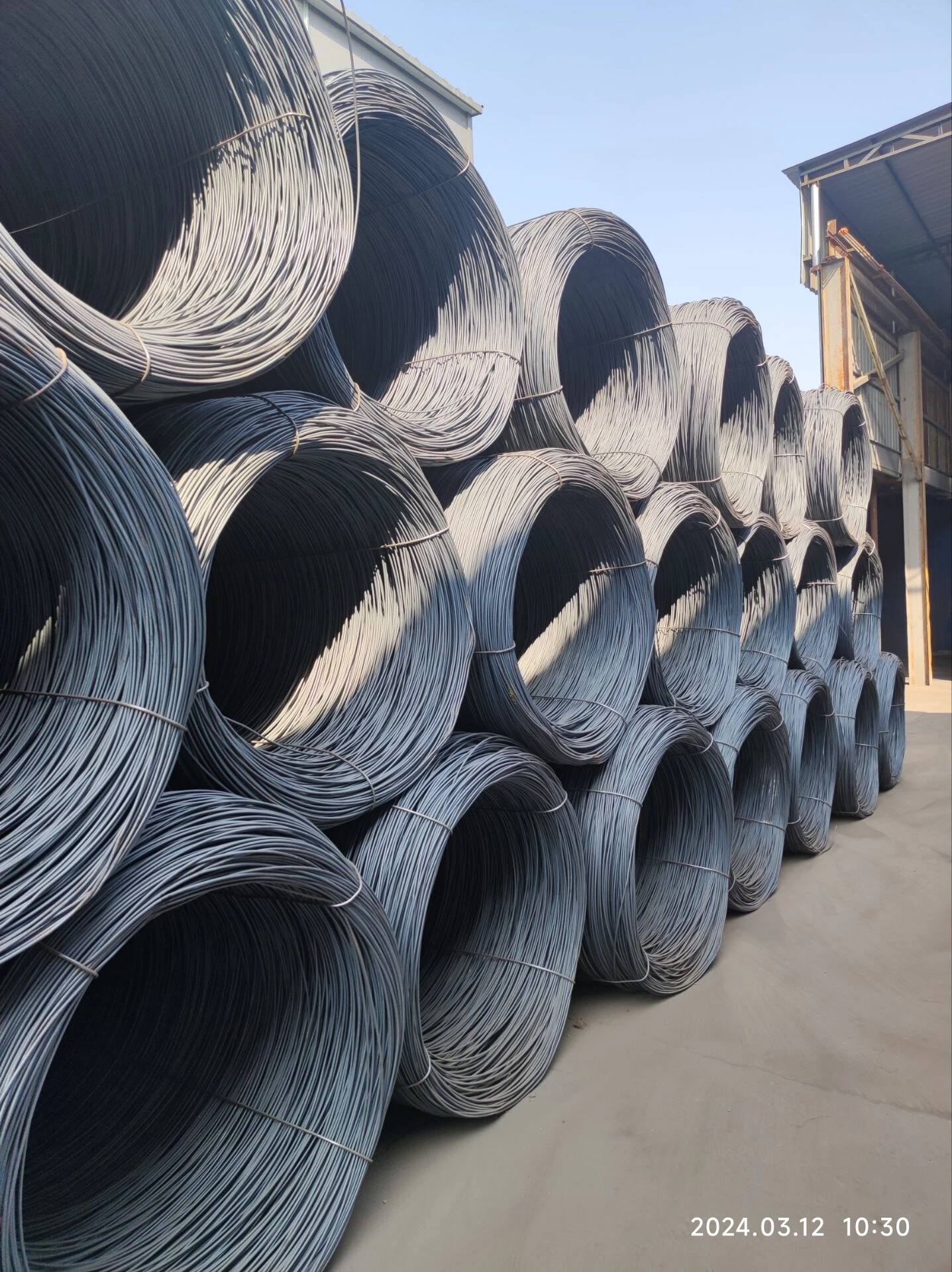
The primary raw material is carbon steel, typically ranging from low-carbon (0.05-0.25% C) to medium-carbon (0.25-0.60% C) steel grades like SAE 1006, 1008, or equivalent. These steels offer a balance of strength and ductility. The iron ore undergoes a series of processes – beneficiation, reduction (typically in a blast furnace), and refining – to produce the steel billets. Wire drawing, a cold-working process, reduces the diameter of the steel rod, increasing its tensile strength but decreasing its ductility. This process requires careful control of drawing speed, lubrication, and die geometry to prevent defects such as surface cracking or internal voids. Galvanization is typically achieved through hot-dip galvanizing, where the wire is immersed in a molten zinc bath (typically 98% pure zinc with minor additions of aluminum and silicon). The key parameters are bath temperature (440-460°C), immersion time, and the presence of flux to promote wetting and prevent oxidation. Electrogalvanizing is another method, utilizing an electrolytic process to deposit zinc onto the wire. This offers tighter control over coating thickness but generally results in a less robust coating compared to hot-dip galvanizing. Chemical composition of the steel and surface preparation (cleaning, pickling) prior to galvanization are critical to achieving uniform coating adhesion. Post-galvanization treatments like passivation can further enhance corrosion resistance.
Performance & Engineering
The performance of galvanized iron wire is fundamentally governed by the mechanical properties of the steel core and the protective characteristics of the zinc coating. Tensile strength, yield strength, and elongation are critical parameters determined by the steel grade and the wire drawing process. The zinc coating provides sacrificial protection; it corrodes preferentially to the steel, preventing rusting. The rate of zinc corrosion depends on environmental factors like humidity, salinity, and atmospheric pollutants. Force analysis in applications like fencing or cable construction requires careful consideration of the wire’s load-bearing capacity and resistance to bending and torsion. Environmental resistance is assessed through salt spray testing (ASTM B117), cyclic corrosion testing, and immersion testing. Compliance requirements vary by region and application. For example, wire used in agricultural applications may need to meet standards regarding zinc content and coating uniformity to prevent contamination of soil or crops. The thickness of the zinc coating (measured in grams per square meter or coating weight) directly correlates to the longevity of corrosion protection. Proper engineering design considers the potential for galvanic corrosion when galvanized wire is in contact with dissimilar metals and employs appropriate isolation techniques.
Technical Specifications
| Parameter | Unit | Typical Value (Hot-Dip Galvanized) | Test Method |
|---|---|---|---|
| Tensile Strength | MPa | 370-550 | ASTM A610 |
| Zinc Coating Weight | g/m² | 60-275 | ASTM A610 |
| Zinc Coating Thickness | µm | 8-85 | ASTM A610 |
| Wire Diameter | mm | 0.8 - 5.0 | Micrometer |
| Elongation | % | 10-25 | ASTM A610 |
| Hydrogen Embrittlement | ppm | < 3 | ASTM A610 |
Failure Mode & Maintenance
Galvanized iron wire can fail through several mechanisms. Fatigue cracking occurs under cyclical loading, initiating at surface imperfections or bends. Coating degradation occurs through corrosion, leading to loss of zinc protection. White rust (zinc carbonate) formation is a common issue in humid environments. Hydrogen embrittlement, a consequence of the pickling process, can reduce ductility and lead to premature failure. Creep, or slow deformation under sustained load, is a concern in applications requiring long-term stability. Maintenance involves periodic inspection for signs of corrosion, coating damage, or mechanical stress. Removal of white rust through brushing and application of a protective coating can extend service life. For applications prone to high stress, consider using heavier gauge wire or implementing periodic replacement schedules. Avoiding contact with acidic or alkaline substances can minimize corrosion rates. Proper storage in a dry environment is crucial to prevent white rust formation during storage and transportation. Regular testing of coating adhesion and wire tensile strength can proactively identify potential failure risks.
Industry FAQ
Q: What is the impact of steel grade on the galvanizing process?
A: The steel grade significantly impacts galvanizing. Higher carbon content can lead to slower wetting and reduced coating adhesion. Steels with high levels of impurities (sulfur, phosphorus) can also negatively affect coating quality. Therefore, selecting a suitable steel grade with controlled chemical composition is crucial for optimal galvanization. The use of deoxidized steel is preferred to minimize iron oxide formation and promote better zinc adhesion.
Q: How does the zinc coating thickness relate to corrosion resistance?
A: There’s a direct correlation: thicker zinc coatings provide longer-lasting corrosion protection. A heavier coating offers more sacrificial metal to corrode before the underlying steel is exposed. However, increasing coating thickness also increases cost and can lead to issues like uneven coating distribution if not properly controlled.
Q: What are the common causes of coating defects, and how can they be prevented?
A: Common defects include bare spots, drips, runs, and uneven coating thickness. These can be caused by inadequate surface preparation, improper bath chemistry, variations in immersion time, or steel surface imperfections. Preventing them requires rigorous surface cleaning, maintaining optimal bath composition and temperature, and using consistent process control measures.
Q: What is the significance of hydrogen embrittlement, and how is it mitigated?
A: Hydrogen embrittlement occurs when atomic hydrogen diffuses into the steel during pickling, reducing its ductility and making it susceptible to cracking under stress. It's mitigated by using inhibited pickling solutions, reducing pickling time, and employing post-pickling baking to drive out the hydrogen.
Q: What tests are used to verify the quality of galvanized iron wire?
A: Quality control tests include tensile strength testing (ASTM A610), coating weight determination (ASTM A610), coating thickness measurement (ASTM A610), salt spray testing (ASTM B117), adhesion testing (ASTM A780), and hydrogen embrittlement testing (ASTM A610). Visual inspection for defects is also critical.
Conclusion
Galvanized iron wire represents a cost-effective and versatile solution for corrosion protection in a wide range of applications. Successful implementation relies on a deep understanding of the material science, manufacturing processes, and potential failure modes. Precise control of steel grade, wire drawing parameters, galvanization conditions, and post-treatment processes are all paramount to achieving desired performance characteristics.
Looking ahead, advancements in galvanizing technology, such as improved zinc alloy coatings and more environmentally friendly processes, will continue to enhance the durability and sustainability of galvanized iron wire. Ongoing research into corrosion mechanisms and predictive modeling will enable engineers to optimize wire design and application for specific environmental conditions, further extending service life and minimizing lifecycle costs.