



Introduction
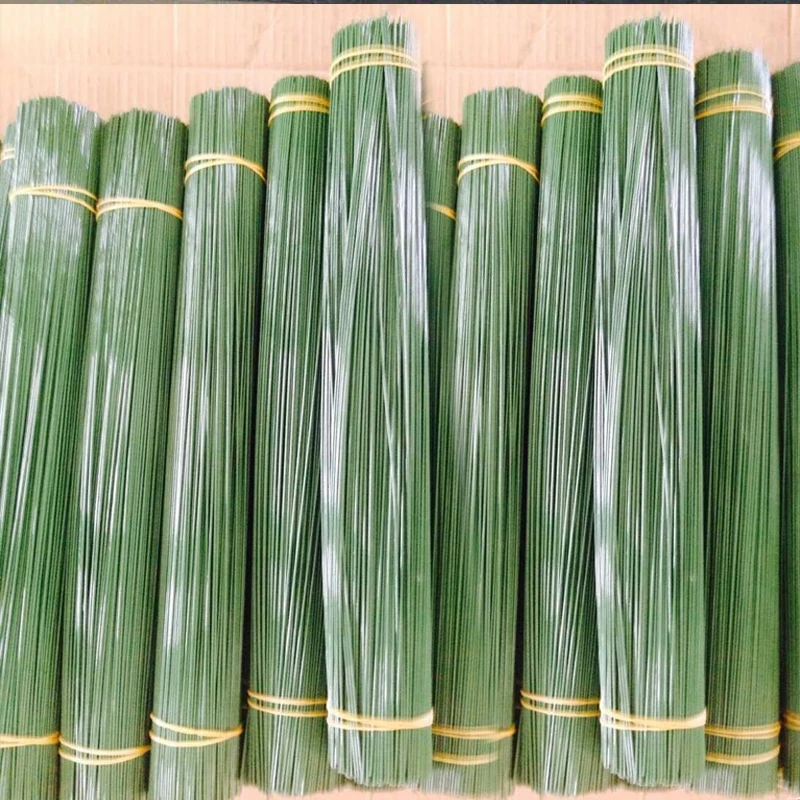
Galvanized iron wire represents a critical component across numerous industrial sectors, serving as a fundamental material in construction, agriculture, manufacturing, and telecommunications. Its primary function is to provide a corrosion-resistant binding, reinforcing, or fencing material. This guide details the material science, manufacturing processes, performance characteristics, failure modes, and industry standards associated with galvanized iron wire, providing a comprehensive resource for procurement managers, engineers, and quality control personnel. The galvanization process – applying a protective zinc coating to iron or steel wire – is paramount, mitigating the inherent susceptibility of iron to rust and significantly extending the material’s service life. Core performance metrics include tensile strength, zinc coating thickness, ductility, and adherence to relevant international standards ensuring consistent quality and longevity. The current market is driven by demands for increased durability, cost-effectiveness, and adherence to stringent environmental regulations regarding zinc usage and waste management.
Material Science & Manufacturing
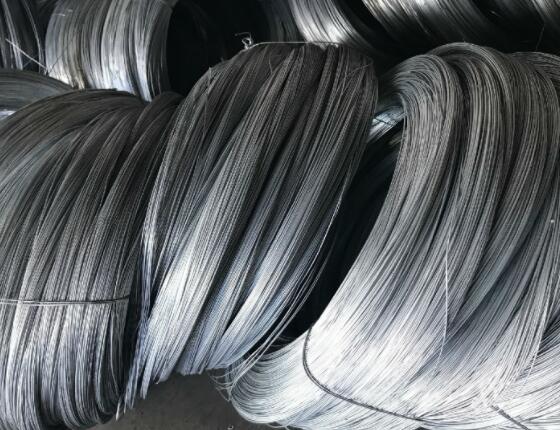
Galvanized iron wire production begins with high-carbon steel rod, typically containing 0.40-0.65% carbon to achieve desired tensile strength. The steel undergoes cold drawing through a series of dies, reducing its diameter and increasing its tensile strength. This process induces work hardening, influencing the final mechanical properties. The iron content, specifically the presence of trace elements like manganese, silicon, and phosphorus, impact weldability and ductility. For galvanization, the most common method is hot-dip galvanizing. The wire is thoroughly cleaned (pickling with hydrochloric or sulfuric acid to remove mill scale and rust, followed by fluxing) and then immersed in a molten zinc bath (typically 98% pure zinc with minor additions of aluminum, silicon, or magnesium). The zinc metallurgically bonds with the iron, forming a series of zinc-iron alloy layers. Key manufacturing parameters include bath temperature (maintained between 440-460°C), immersion time (controlled to achieve specified coating thickness), and cooling rate. Electrogalvanization offers greater control over coating thickness and surface finish but generally provides a less robust corrosion barrier compared to hot-dip galvanizing. Post-galvanization, the wire may undergo passivation treatments to enhance corrosion resistance and improve coating adhesion. Zinc’s inherent sacrificial anode property provides cathodic protection to the underlying steel even if the coating is scratched or damaged.
Performance & Engineering
The mechanical performance of galvanized iron wire is critically dependent on its diameter, carbon content, and the quality of the galvanization process. Tensile strength is a primary engineering consideration, determined using standardized testing methods (ASTM A641). Yield strength, elongation, and reduction of area are also essential parameters. Corrosion resistance, the core benefit of galvanization, is governed by the coating thickness and the metallurgical structure of the zinc-iron alloy layers. Environmental factors, including humidity, temperature, salinity, and the presence of industrial pollutants (sulfur dioxide, chlorides), significantly influence corrosion rates. Galvanized wire is frequently used in applications requiring significant static or dynamic loading. Therefore, fatigue analysis is important, considering the potential for stress concentrations at bends or points of contact. The zinc coating provides barrier protection, but also sacrificially corrodes, protecting the base steel. Engineering design must account for the gradual depletion of the zinc coating over time, particularly in harsh environments. Compliance with industry-specific standards (e.g., for fencing, cable armoring, agricultural ties) dictates minimum coating weights and mechanical properties. Formability and weldability are also vital considerations, influencing the ease of fabrication and the integrity of welded joints.
Technical Specifications
| Diameter (mm) | Tensile Strength (MPa) | Zinc Coating Weight (g/m²) | Elongation (%) |
|---|---|---|---|
| 1.2 | 400-550 | 30-50 | 15-25 |
| 1.6 | 350-500 | 40-60 | 12-20 |
| 2.0 | 300-450 | 50-70 | 10-18 |
| 2.5 | 280-400 | 60-80 | 8-16 |
| 3.0 | 250-350 | 70-90 | 6-14 |
| 4.0 | 220-300 | 80-100 | 4-10 |
Failure Mode & Maintenance
Common failure modes in galvanized iron wire include: Uniform Corrosion: Gradual depletion of the zinc coating due to atmospheric exposure. Rate is influenced by humidity, salinity, and pollution. Localized Corrosion: Pitting corrosion, often initiated by imperfections in the coating or the presence of chlorides. Hydrogen Embrittlement: A result of hydrogen absorption during the pickling process, leading to reduced ductility and potentially catastrophic failure under stress. Fatigue Cracking: Occurs under cyclical loading, initiated at stress concentrations (bends, notches). Mechanical Damage: Scratches or dents in the coating exposing the base steel to corrosion. White Rust: Formation of zinc hydroxide corrosion products, appearing as a white powdery deposit, typically in humid environments. Maintenance involves regular inspection for coating damage, removal of corrosion products, and re-coating of affected areas. Preventative measures include proper storage (protected from moisture), avoiding abrasive handling, and application of protective coatings (e.g., paints, sealants) to enhance corrosion resistance. For critical applications, periodic non-destructive testing (e.g., coating thickness measurement, visual inspection) is recommended to assess the remaining coating thickness and predict remaining service life. Careful selection of the galvanization process (hot-dip vs. electrogalvanization) based on the intended application environment is crucial.
Industry FAQ
Q: What is the typical lifespan of galvanized iron wire in a coastal environment?
A: The lifespan varies significantly depending on the zinc coating thickness, exposure to salt spray, and atmospheric conditions. Generally, in a severe coastal environment, a standard galvanized wire (50-70 g/m²) might provide 10-15 years of service, whereas heavier coatings (80-100 g/m²) can extend this to 20-25 years. Regular inspection and application of protective coatings can further prolong the lifespan.
Q: How does the carbon content of the steel core impact the galvanization process?
A: Higher carbon content increases the steel’s hardness and tensile strength but reduces its ductility and weldability. It also influences the formation of the zinc-iron alloy layers during galvanization. Excessive carbon can lead to thicker, more brittle alloy layers, potentially reducing coating adhesion. The optimal carbon content for galvanization is typically between 0.40% and 0.65%.
Q: What is the difference between hot-dip galvanizing and electrogalvanizing in terms of corrosion resistance?
A: Hot-dip galvanizing provides a thicker, more robust zinc coating with a metallurgical bond to the steel, offering superior corrosion protection, particularly in harsh environments. Electrogalvanizing produces a thinner, more uniform coating, primarily offering barrier protection. Hot-dip galvanizing is generally preferred for outdoor applications requiring long-term corrosion resistance.
Q: Can galvanized wire be welded, and if so, what precautions should be taken?
A: Galvanized wire can be welded, but the zinc coating produces fumes that are harmful to breathe and can affect weld quality. Proper ventilation is essential. The zinc also vaporizes during welding, potentially leaving a brittle weld zone. Using a low-hydrogen process and removing the zinc coating in the weld area before welding are recommended practices.
Q: What standards govern the quality control of galvanized iron wire?
A: ASTM A641 (Standard Specification for Zinc-Coated Steel Wire) is the primary standard for quality control. ISO 1461 (Metallic coatings - Hot-dip galvanizing) provides international guidelines. Specific applications may also require adherence to industry-specific standards, such as those for fencing (ASTM A392) or cable armoring (IEC 61937).
Conclusion
Galvanized iron wire remains a vital material across diverse industries due to its cost-effectiveness, strength, and, critically, its corrosion resistance. Successful implementation hinges on a thorough understanding of the material science underlying the galvanization process, careful control of manufacturing parameters, and diligent adherence to relevant industry standards. Selecting the appropriate galvanization method, accounting for the intended application environment, and implementing preventative maintenance strategies are key to maximizing service life and minimizing the risk of premature failure.
Future developments are likely to focus on enhancing the durability of galvanized coatings through the addition of alloy elements, optimizing the galvanization process to reduce zinc consumption, and developing more environmentally friendly alternatives to traditional pickling acids. Continued research into corrosion mechanisms and advanced coating technologies will further extend the lifespan and performance of galvanized iron wire in increasingly demanding applications.