



Introduction
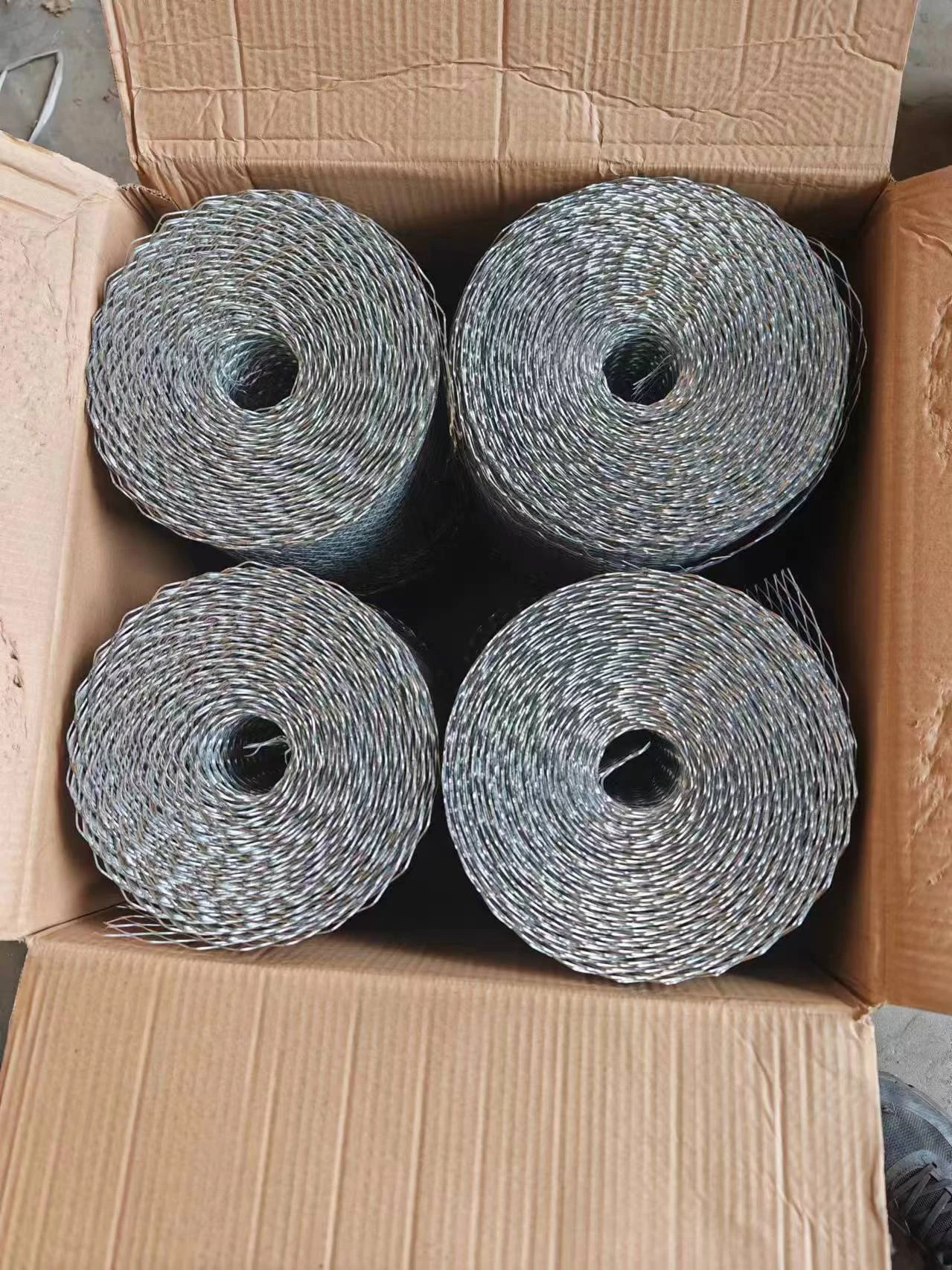
Galvanized steel wire is a carbon steel wire coated with a protective layer of zinc. This coating serves as a barrier against corrosion, significantly extending the wire’s service life in harsh environments. Positioned within the broader steel industry supply chain, it functions as a crucial component in various applications, including fencing, cabling, construction reinforcement, agricultural ties, and automotive components. The primary performance characteristics of galvanized steel wire are its tensile strength, ductility, corrosion resistance (measured by salt spray testing duration), and zinc coating weight. The selection criteria often hinge on balancing these attributes with cost-effectiveness, making it a widely utilized material across diverse industrial sectors. A key industry pain point lies in achieving consistent coating adherence and thickness, directly impacting long-term corrosion protection and overall product reliability. Furthermore, managing hydrogen embrittlement, a potential byproduct of the galvanization process, is critical to prevent premature failure.
Material Science & Manufacturing
The core material for galvanized steel wire is typically high-carbon steel, often containing 0.40-0.80% carbon. This provides the necessary tensile strength for demanding applications. The steel’s microstructure consists primarily of ferrite and pearlite, influencing its ductility and hardness. Manufacturing begins with the production of steel rods, which are then drawn through a series of dies to achieve the desired wire diameter. This cold drawing process increases tensile strength but also reduces ductility, requiring subsequent annealing to restore malleability. The galvanization process itself is most commonly achieved through hot-dip galvanizing. This involves immersing the cleaned steel wire into a molten zinc bath (typically 98% pure zinc) at approximately 450-460°C. The wire’s surface reacts with the molten zinc, forming a series of zinc-iron alloy layers, followed by a layer of pure zinc. Critical parameters include bath temperature, immersion time, and steel surface preparation. Surface preparation is vital, involving degreasing, pickling (using hydrochloric or sulfuric acid to remove rust and scale), and fluxing (to promote zinc adhesion). Another method is electro-galvanizing, which deposits a zinc coating through an electrolytic process, offering greater control over coating thickness but generally providing less corrosion protection than hot-dip galvanizing. The metallurgical structure of the zinc coating is columnar, growing perpendicularly from the steel surface. Chemical compatibility between the steel substrate and the zinc coating is paramount; inconsistencies can lead to coating defects and localized corrosion. Careful control of cooling rates after galvanization is also essential to minimize stress and prevent cracking.
Performance & Engineering
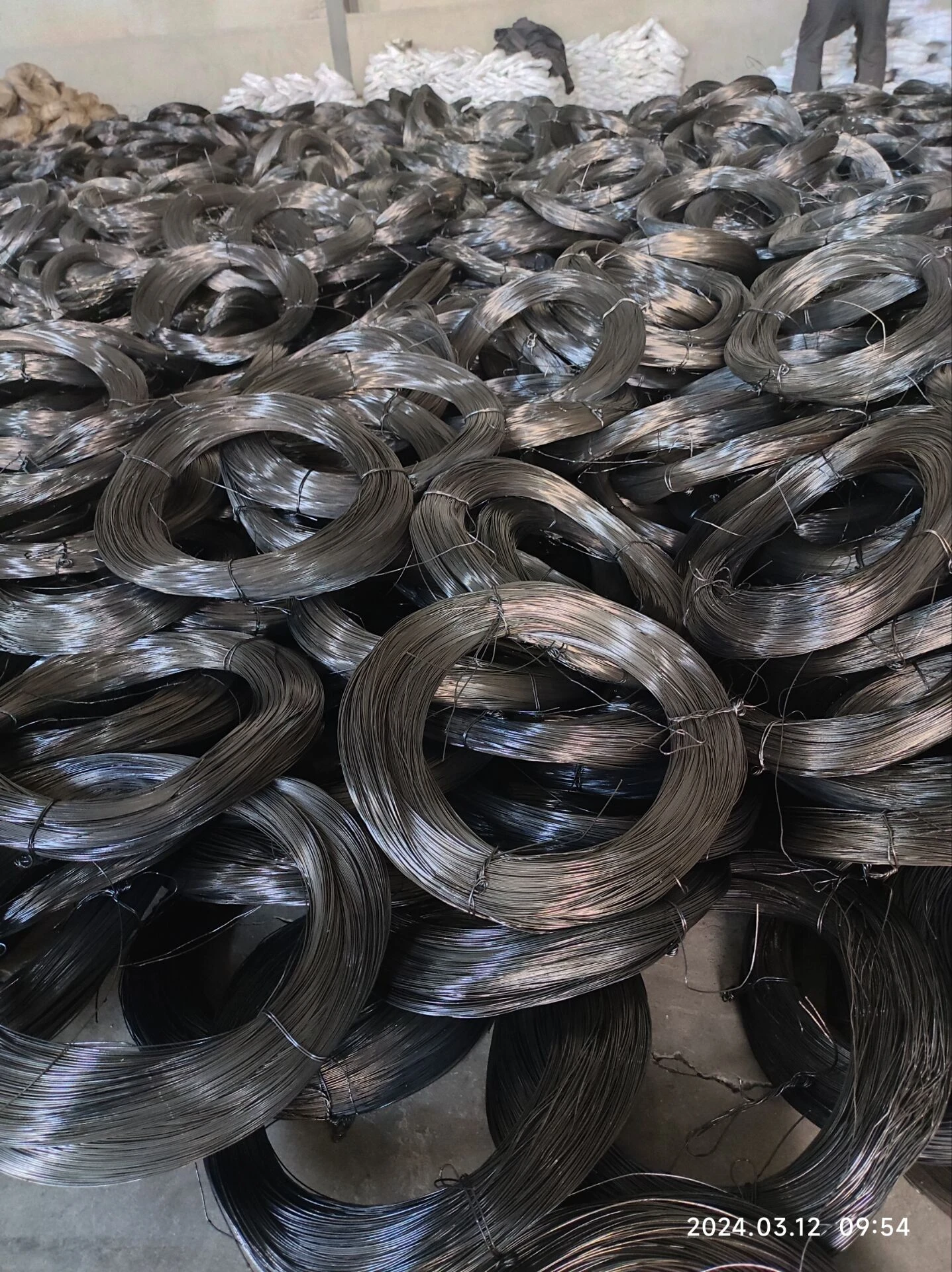
The performance of galvanized steel wire is primarily governed by its tensile strength, yield strength, elongation, and corrosion resistance. Tensile strength, typically ranging from 800-1800 MPa depending on the steel grade and wire diameter, determines its load-bearing capacity. Yield strength indicates the stress at which permanent deformation begins. Elongation, expressed as a percentage, measures the wire's ductility – its ability to withstand stretching before fracturing. Corrosion resistance is directly linked to the zinc coating thickness and the uniformity of coverage. Environmental factors such as humidity, salinity, and atmospheric pollutants significantly influence corrosion rates. Galvanized steel wire exhibits cathodic protection; the zinc corrodes preferentially, protecting the underlying steel. However, this protection diminishes as the zinc coating is consumed. Engineering calculations must account for the anticipated corrosion rate based on the operating environment to determine the required coating thickness and expected service life. Force analysis is crucial in applications involving bending, twisting, or tensile loading. Compliance requirements vary by industry and region, often adhering to standards for material composition, coating thickness, and mechanical properties. Hydrogen embrittlement, a critical concern, occurs when atomic hydrogen diffuses into the steel during the acid pickling and galvanizing processes, reducing ductility and increasing susceptibility to cracking. Post-galvanization treatments, such as baking, can mitigate this effect by allowing hydrogen to diffuse out of the steel.
Technical Specifications
| Parameter | Unit | Typical Value (Low Carbon Steel Wire) | Typical Value (High Carbon Steel Wire) |
|---|---|---|---|
| Tensile Strength | MPa | 400-600 | 800-1800 |
| Yield Strength | MPa | 250-400 | 600-1200 |
| Elongation | % | 15-25 | 8-15 |
| Zinc Coating Weight | g/m² | 30-60 | 45-80 |
| Wire Diameter | mm | 0.8-6.0 | 0.8-6.0 |
| Hydrogen Embrittlement (Post-Bake) | ppm | < 2 | < 2 |
Failure Mode & Maintenance
Galvanized steel wire can fail through several mechanisms. Uniform corrosion is the gradual consumption of the zinc coating, eventually exposing the steel to corrosion. Localized corrosion, such as pitting and crevice corrosion, occurs due to imperfections in the coating or exposure to specific corrosive agents. Fatigue cracking can develop under cyclic loading, particularly in applications involving bending or twisting. Hydrogen embrittlement, as previously mentioned, leads to brittle fracture. Coating defects (e.g., cracks, porosity, incomplete coverage) accelerate corrosion. Delamination, the separation of the zinc coating from the steel substrate, compromises the protective barrier. Oxidation of the zinc coating can occur at elevated temperatures, reducing its effectiveness. Maintenance strategies include regular visual inspection for signs of corrosion, coating damage, or fatigue. Removal of debris and contaminants that can promote corrosion is crucial. Periodic re-galvanization or application of protective coatings (e.g., paint, epoxy) can extend the wire’s service life. For applications exposed to harsh marine environments, sacrificial anodes can provide additional cathodic protection. Proper storage in a dry environment prevents premature corrosion. Failure analysis should involve microscopic examination of fractured surfaces to identify the root cause of failure (e.g., fatigue, corrosion, embrittlement).
Industry FAQ
Q: What is the primary difference between hot-dip galvanizing and electro-galvanizing in terms of corrosion protection?
A: Hot-dip galvanizing provides significantly superior corrosion protection due to the thicker zinc coating and the formation of a zinc-iron alloy layer, enhancing adhesion and barrier properties. Electro-galvanizing offers a thinner, more uniform coating, suitable for applications where aesthetics are paramount but corrosion resistance is less critical. The metallurgical bond created by hot-dip galvanizing is stronger, offering prolonged protection in harsh environments.
Q: How does wire diameter affect the corrosion rate of galvanized steel wire?
A: Thicker wire diameters generally exhibit slower corrosion rates due to a larger zinc reservoir. The ratio of zinc coating to steel volume is higher in thicker wires, providing a longer-lasting protective barrier. However, thicker wires are also more susceptible to stress corrosion cracking if hydrogen embrittlement is not adequately controlled.
Q: What are the common causes of hydrogen embrittlement in galvanized steel wire and how can it be prevented?
A: Hydrogen embrittlement occurs due to the absorption of atomic hydrogen into the steel during acid pickling and the galvanizing process. Prevention methods include using inhibitors in the pickling solution, minimizing pickling time, employing low-hydrogen pickling processes, and post-galvanization baking to drive out the absorbed hydrogen.
Q: What quality control measures are essential during the manufacturing process to ensure consistent zinc coating quality?
A: Essential quality control measures include monitoring zinc bath composition, controlling bath temperature and immersion time, verifying steel surface cleanliness, performing regular coating thickness measurements, conducting adhesion tests, and inspecting for coating defects like porosity and cracks. Statistical process control (SPC) is valuable for maintaining consistent coating quality.
Q: How does the steel substrate’s chemical composition influence the galvanizing process and the final coating properties?
A: The silicon content in the steel significantly influences the galvanization process. Higher silicon levels promote faster reaction rates and thicker zinc coatings but can also lead to a rougher coating surface. Other alloying elements, such as manganese and phosphorus, can affect the formation of the zinc-iron alloy layers and the overall coating adhesion.
Conclusion
Galvanized steel wire remains a cornerstone material across numerous industries due to its cost-effectiveness and reliable corrosion protection. The manufacturing process, meticulously controlled from steel selection and surface preparation through the galvanization stage, dictates the wire’s performance characteristics. Understanding the intricacies of material science, including the metallurgical interactions between the steel substrate and zinc coating, is essential for optimizing performance and preventing premature failure.
Future advancements in galvanizing technology will likely focus on minimizing hydrogen embrittlement, enhancing coating uniformity, and developing environmentally friendly zinc bath chemistries. The demand for high-performance galvanized steel wire will continue to grow, driven by infrastructure development, renewable energy projects, and the increasing need for durable and sustainable materials. Continual monitoring of international standards and industry best practices will be vital for ensuring product quality and long-term reliability.