



Introduction
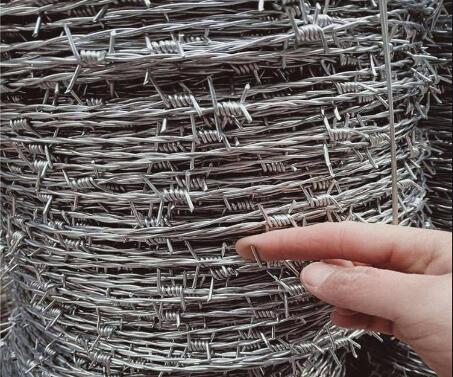
Galvanized wire, specifically 1 16 gauge, represents a critical component in numerous industrial and commercial applications, functioning as a protective barrier against corrosion in ferrous metals. This specification, denoting a wire diameter of 0.0625 inches (1.5875 mm), positions it within a commonly utilized range balancing tensile strength, flexibility, and cost-effectiveness. The galvanization process, typically involving hot-dip galvanizing with a zinc coating, drastically extends the service life of steel wire in harsh environments. Its role extends from fencing and cabling to binding and specialized manufacturing processes. Understanding its material properties, manufacturing tolerances, performance characteristics, and potential failure modes is essential for ensuring structural integrity and longevity in diverse deployments. This guide provides a comprehensive technical overview of galvanized wire 1 16, detailing its construction, properties, applications, and best practices for maintenance and long-term reliability.
Material Science & Manufacturing
Galvanized wire 1 16 begins with a core material typically consisting of carbon steel, specifically low-carbon steel grades such as SAE 1008 or similar, due to their enhanced ductility and formability. The steel's composition dictates its inherent tensile strength and weldability. Manufacturing initiates with the drawing of steel rods through a series of dies to achieve the 1 16-inch diameter. This cold-drawing process work-hardens the steel, increasing its yield strength but reducing ductility. Following wire drawing, the crucial galvanization process takes place. Hot-dip galvanizing is the most prevalent method, involving immersion of the cleaned steel wire in a molten zinc bath (typically 98% pure zinc) at temperatures around 840°F (450°C). This creates a metallurgical bond, forming layers of zinc-iron alloy and a final outer layer of pure zinc. The thickness of the zinc coating, measured in weight per unit area (e.g., G90, G60), directly influences corrosion resistance. Critical parameters during galvanization include steel surface preparation (pickling to remove mill scale and rust), flux application (to promote zinc adhesion), immersion time, and cooling rate. Electrogalvanizing, while producing a more uniform coating, generally provides thinner coatings and is less common for heavy-duty applications. Wire drawing and galvanization processes must be tightly controlled to maintain dimensional accuracy and coating consistency, as variations impact the wire’s mechanical and protective properties. Chemical compatibility of the steel core and the zinc coating is paramount to prevent galvanic corrosion within the structure.
Performance & Engineering
The performance of galvanized wire 1 16 is governed by its tensile strength, yield strength, elongation, and corrosion resistance. Typical tensile strength values range from 80,000 to 100,000 psi (550 to 690 MPa), dependent on the steel grade and cold-working. Yield strength usually falls between 50,000 and 70,000 psi (345 to 483 MPa). Elongation, a measure of ductility, typically ranges from 10% to 20%. The zinc coating provides sacrificial corrosion protection, meaning the zinc corrodes preferentially to the steel, preventing rust formation. The rate of zinc corrosion, and thus the wire's lifespan, is influenced by environmental factors such as humidity, salinity, and the presence of pollutants (sulfur dioxide, industrial chemicals). Engineering calculations for applications involving galvanized wire must consider both the wire's mechanical properties and the anticipated corrosion rate. For example, in fencing applications, the wire’s load-bearing capacity and resistance to wind loads must be assessed. In cabling, fatigue resistance under cyclic loading is a critical factor. Compliance with industry standards, such as ASTM A641, dictates minimum coating weights and material requirements. Furthermore, the wire’s performance can be negatively affected by bending radius; sharp bends can introduce stress concentrations leading to premature failure. The wire’s resistance to hydrogen embrittlement should be considered in high-strength applications, particularly when exposed to acidic environments.
Technical Specifications
| Parameter | Value (Typical) | Unit | Test Method |
|---|---|---|---|
| Wire Diameter | 1.5875 | mm | Micrometer |
| Tensile Strength | 85,000 | psi | ASTM A641 |
| Yield Strength | 55,000 | psi | ASTM A641 |
| Elongation | 15 | % | ASTM A641 |
| Zinc Coating Weight (G90) | 340 | g/m² | ASTM B693 |
| Zinc Coating Weight (G60) | 230 | g/m² | ASTM B693 |
Failure Mode & Maintenance
Galvanized wire 1 16 is susceptible to several failure modes. Uniform corrosion, though mitigated by the zinc coating, eventually leads to zinc depletion and underlying steel corrosion. Localized corrosion, such as pitting corrosion, can occur in the presence of chlorides or other aggressive ions, accelerating the corrosion process. Hydrogen embrittlement, especially in high-strength wire exposed to acidic environments, can cause brittle failure. Mechanical fatigue, resulting from cyclic loading, can lead to crack initiation and propagation, particularly at stress concentration points (e.g., bends, kinks). Galvanic corrosion can occur if the galvanized wire is in contact with dissimilar metals in the presence of an electrolyte. Physical damage, such as cutting, abrasion, or impact, can compromise the zinc coating and expose the steel to corrosion. Maintenance strategies include regular inspection for signs of corrosion or mechanical damage. Applying a protective coating (e.g., zinc-rich paint) to damaged areas can provide temporary protection. For critical applications, periodic re-galvanization may be necessary. Avoiding contact with dissimilar metals and minimizing exposure to corrosive environments can extend the wire’s lifespan. Proper storage conditions, protecting the wire from moisture and contaminants, are also crucial. Failure analysis should include microscopic examination of fracture surfaces to identify the root cause of failure – whether it's corrosion, fatigue, or mechanical damage.
Industry FAQ
Q: What is the difference between G60 and G90 galvanization, and which should I specify for outdoor fencing in a coastal environment?
A: G60 and G90 refer to the weight of zinc coating per square meter of steel surface (grams). G90 provides a significantly thicker coating than G60, offering superior corrosion resistance. For outdoor fencing in a coastal environment, where exposure to salt spray is high, G90 is strongly recommended. The increased zinc layer offers enhanced sacrificial protection and extends the fence’s lifespan considerably. While G60 may be suitable for less harsh inland environments, the added cost of G90 is justified in a coastal setting to minimize maintenance and replacement frequency.
Q: Can galvanized wire be welded, and if so, what are the potential issues?
A: Yes, galvanized wire can be welded, but it requires specific techniques to avoid issues. The zinc coating vaporizes during welding, releasing hazardous fumes (zinc oxide). Proper ventilation and respiratory protection are essential. Furthermore, the zinc coating reduces weldability, potentially leading to porosity and reduced weld strength. Using a welding flux designed for galvanized steel can help mitigate these issues. It's also advisable to remove the galvanization in the weld zone before welding for optimal results. Post-weld, the exposed steel should be re-galvanized to restore corrosion protection.
Q: What is the impact of bending galvanized wire on its corrosion resistance?
A: Bending galvanized wire can create stress concentrations, which can accelerate corrosion. The bending process can also damage the zinc coating, exposing the underlying steel. Sharp bends are particularly problematic. To minimize corrosion risk, bends should be as gradual as possible. After bending, inspect the wire for coating damage and repair any compromised areas with a zinc-rich paint or coating. Using wire with a thicker zinc coating (e.g., G90) provides a greater margin of protection against corrosion in bent sections.
Q: How does the diameter of the wire (1/16 inch) affect its suitability for specific applications like cable lashing?
A: The 1/16-inch diameter (1.5875 mm) represents a balance between strength, flexibility and cost. For cable lashing, this diameter offers sufficient tensile strength for securing cables to poles or supports, but its flexibility allows for relatively easy installation around curves and obstacles. However, for heavier cables or applications requiring exceptionally high load capacity, a thicker gauge wire might be necessary. Conversely, in applications prioritizing ease of manipulation over ultimate strength, a thinner gauge could be considered. The choice depends on a comprehensive assessment of the cable weight, environmental conditions, and required safety factor.
Q: Are there environmental concerns associated with the manufacturing or disposal of galvanized wire?
A: Yes, both manufacturing and disposal pose environmental concerns. Hot-dip galvanizing generates wastewater containing zinc and other metals, requiring treatment to meet environmental regulations. Zinc fumes released during the process can also contribute to air pollution. Responsible galvanizing facilities implement pollution control measures to minimize these impacts. Disposal of galvanized wire presents challenges as zinc-coated steel is not readily biodegradable. Recycling is the preferred option, allowing recovery of both steel and zinc. Landfilling should be avoided, and any residual materials should be disposed of in accordance with local environmental regulations.
Conclusion
Galvanized wire 1 16 stands as a versatile and cost-effective solution for applications requiring corrosion resistance and moderate tensile strength. The efficacy of this wire lies in the synergistic relationship between the inherent properties of the steel core and the protective barrier provided by the zinc coating. Proper material selection, adherence to established manufacturing standards (ASTM A641), and diligent consideration of environmental factors are crucial for maximizing its performance and longevity.
Future developments in surface treatment technologies, such as advanced zinc alloy coatings and post-treatment processes, may further enhance the corrosion resistance and durability of galvanized wire. Continued research into sustainable manufacturing practices and improved recycling methods will be essential to address the environmental concerns associated with its production and disposal. Understanding the potential failure modes and implementing proactive maintenance strategies remain paramount to ensuring the safe and reliable operation of structures and systems utilizing galvanized wire 1 16.