



Introduction
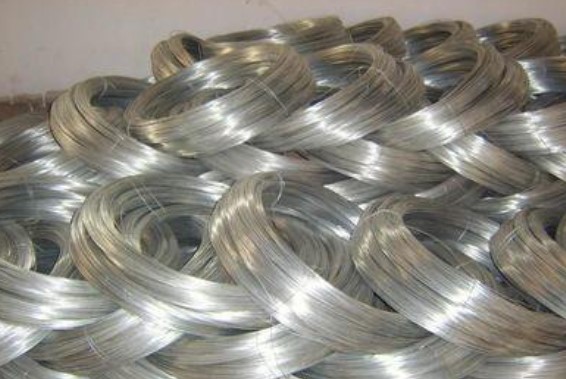
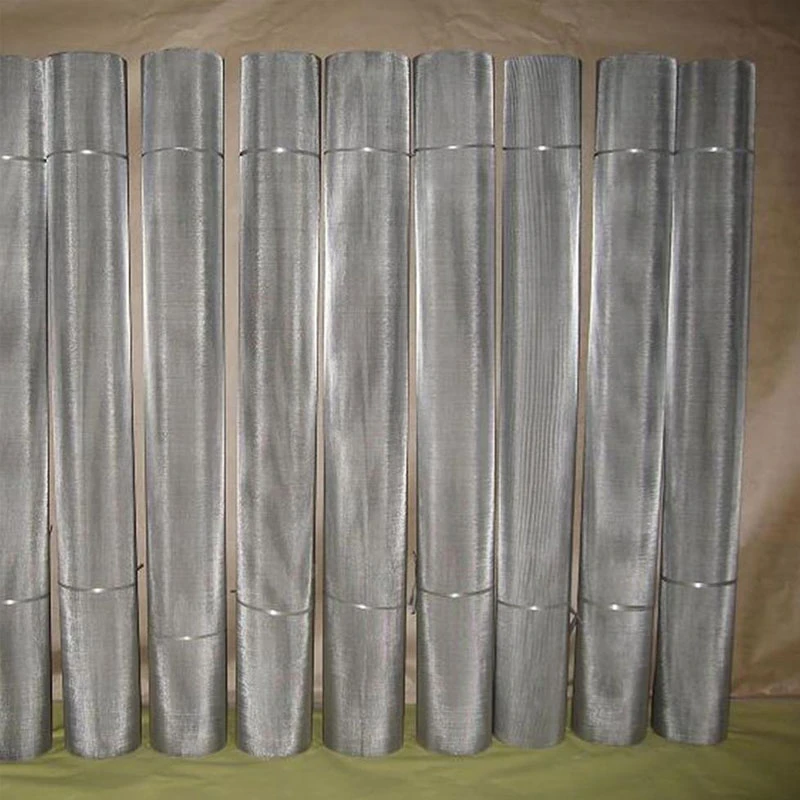
Galvanized wire, specifically 10 gauge, is a carbon steel wire coated with a protective layer of zinc. This coating imparts corrosion resistance, making it a ubiquitous material across numerous industries including construction, agriculture, telecommunications, and manufacturing. The ‘10 gauge’ designation refers to the wire diameter, with lower gauge numbers indicating thicker wires. 10 gauge galvanized wire strikes a balance between strength, ductility, and cost-effectiveness, making it suitable for applications requiring moderate tensile strength and sustained environmental protection. Its position in the supply chain is foundational; it serves as a raw material for fabricated products like fencing, cables, mesh, binding wire, and springs. Core performance characteristics center on its tensile strength, zinc coating weight, ductility, and resistance to chloride-induced corrosion – factors critical for long-term reliability and functional performance.
Material Science & Manufacturing
The primary raw material for 10 gauge galvanized wire is low-carbon steel, typically containing 0.05% to 0.25% carbon. Other alloying elements may be present in small quantities, influencing weldability and formability. The steel’s initial mechanical properties – tensile strength, yield strength, and elongation – are crucial determinants of the final wire performance. The galvanization process itself involves several methods, the most prevalent being hot-dip galvanizing. In this process, the steel wire is cleaned (pickled to remove mill scale and rust), fluxed (typically with zinc ammonium chloride), and then immersed in a molten zinc bath (98% pure zinc, maintained at approximately 450°C). The steel-zinc metallurgical reaction forms a series of zinc-iron alloy layers, providing a robust barrier against corrosion. Electrogalvanizing is another method, employing an electrolytic process to deposit a zinc coating. Wire drawing is a critical manufacturing step, reducing the diameter of the steel rod to the desired 10 gauge (2.304 mm diameter). Parameter control during wire drawing—including die angle, lubrication, and drawing speed—directly impacts the wire’s mechanical properties and surface finish. Cooling rates post-drawing are also important in managing internal stresses and avoiding microstructural defects. The zinc coating weight, typically measured in grams per square meter (g/m²), is a key quality control parameter, dictated by the intended application and corrosion environment. Chemical composition of the steel, bath temperature, immersion time, and cooling rate all influence coating thickness and uniformity.
Performance & Engineering
The performance of 10 gauge galvanized wire is governed by a complex interplay of mechanical and environmental factors. Tensile strength, typically ranging from 80,000 to 100,000 psi, dictates the load-bearing capacity of the wire. Ductility, measured by elongation percentage, determines its ability to deform without fracturing, crucial for applications involving bending or forming. Environmental resistance is paramount, and the zinc coating acts as a sacrificial anode, corroding preferentially to the steel substrate. This cathodic protection mechanism prevents the underlying steel from rusting. However, the effectiveness of this protection diminishes over time, especially in harsh environments containing chlorides (e.g., marine environments, de-icing salts). The coating thickness and uniformity directly correlate with the long-term corrosion resistance. Force analysis in applications like fencing or cable support requires consideration of wind loads, static loads, and dynamic loads. Safety factors must be applied to account for material variability and unforeseen stresses. Compliance requirements vary by industry and region. Construction applications often adhere to ASTM A123 (Standard Specification for Zinc (Hot-Dip Galvanized) Coatings on Iron and Steel Hardware) or EN 10244-2 (Protective zinc coatings - Specifications and test methods – Zinc coatings by electrodeposition). Proper wire gauge selection is essential, balancing strength requirements with cost considerations.
Technical Specifications
| Parameter | Unit | Typical Value (10 Gauge) | Test Method |
|---|---|---|---|
| Diameter | mm | 2.304 | Micrometer |
| Tensile Strength | MPa | 550 – 690 | ASTM A370 |
| Yield Strength | MPa | 345 – 483 | ASTM A370 |
| Elongation | % | 12 – 18 | ASTM A370 |
| Zinc Coating Weight | g/m² | 200 – 350 | ASTM A123 / ISO 2063 |
| Zinc Coating Thickness | µm | 8 – 14 | ASTM A123 / ISO 2063 |
Failure Mode & Maintenance
Failure modes in 10 gauge galvanized wire are typically linked to corrosion and mechanical stress. Uniform corrosion occurs when the zinc coating corrodes evenly over the entire surface, providing a limited lifespan. However, localized corrosion, such as pitting corrosion, is more prevalent and can lead to premature failure. Pitting is often initiated by defects in the coating or the presence of chlorides. Crevice corrosion can occur in shielded areas where moisture and contaminants accumulate. Mechanical failure can arise from fatigue cracking, especially in applications involving repeated bending or tensile loading. Hydrogen embrittlement can also occur, weakening the steel due to the absorption of hydrogen during the galvanizing process. Galvanic corrosion can occur when the galvanized wire is in contact with a more noble metal in the presence of an electrolyte. Maintenance strategies focus on minimizing exposure to corrosive environments. Regular inspection for signs of corrosion (rust spots, coating degradation) is crucial. Damaged coatings can be repaired with zinc-rich paints or re-galvanization. In applications where abrasion is a concern, protective sleeves or coatings can be used to prevent mechanical damage to the zinc layer. Periodic cleaning to remove dirt, salt, and other contaminants can help extend the wire's service life. For heavily loaded applications, consider using thicker gauge wire or supplementing with corrosion inhibitors.
Industry FAQ
Q: What is the difference between hot-dip galvanizing and electrogalvanizing for 10 gauge wire?
A: Hot-dip galvanizing produces a thicker, more robust zinc coating with superior corrosion resistance due to the diffusion of zinc into the steel substrate, forming alloy layers. Electrogalvanizing yields a thinner, more uniform coating primarily consisting of zinc, offering a smoother surface finish but generally less corrosion protection. Hot-dip is preferred for demanding outdoor applications, while electrogalvanizing is suitable for indoor or less corrosive environments.
Q: How does the carbon content of the steel affect the galvanizing process?
A: Higher carbon content in the steel can lead to thicker, more brittle zinc-iron alloy layers during hot-dip galvanizing, potentially reducing ductility. Lower carbon steel is preferred for galvanizing as it promotes a more ductile and adherent coating. The steel's composition must be carefully controlled to optimize the galvanizing process and achieve desired mechanical properties.
Q: What is the impact of chlorides on the lifespan of galvanized wire?
A: Chlorides are highly corrosive to galvanized coatings. They penetrate the zinc layer, accelerating corrosion and leading to pitting. Environments with high chloride concentrations (e.g., coastal areas, road salt exposure) significantly reduce the lifespan of galvanized wire. Consider using higher coating weights or alternative corrosion protection methods in these environments.
Q: Can 10 gauge galvanized wire be welded? What precautions should be taken?
A: Yes, 10 gauge galvanized wire can be welded, but special precautions are necessary. The zinc coating produces fumes that are hazardous to inhale, requiring adequate ventilation and respiratory protection. The zinc also lowers the weld pool’s surface tension, potentially leading to porosity. Degreasing the wire prior to welding and using appropriate welding parameters (e.g., lower heat input) can minimize these issues.
Q: What are the common applications where 10 gauge galvanized wire is specifically preferred?
A: 10 gauge galvanized wire is frequently used in agricultural fencing (hog wire, poultry netting), cable stays, guy wires for telecommunications towers, binding wire for construction, and as a component in wire mesh and fabricated products requiring moderate strength and excellent corrosion resistance. Its balance of properties makes it a versatile material for a broad range of applications.
Conclusion
10 gauge galvanized wire represents a critical material in numerous industries, offering a cost-effective solution for corrosion protection and moderate tensile strength applications. The hot-dip galvanizing process, while susceptible to localized corrosion in chloride-rich environments, provides a substantial barrier against environmental degradation. Understanding the interplay between material science, manufacturing parameters, and potential failure modes is essential for ensuring long-term performance and reliability.
Future advancements in coating technologies, such as the incorporation of nanotechnology or alternative zinc alloys, may further enhance the corrosion resistance and lifespan of galvanized wire. Continued research into optimized welding techniques and improved inspection methods will also contribute to the broader adoption and effective utilization of this versatile material.